FCRA amendments not against any community, Centre tells House panel
Source Entity
Latest News: Todays Latest News Headlines from India & World | Hindustan Times | Hindustan Times
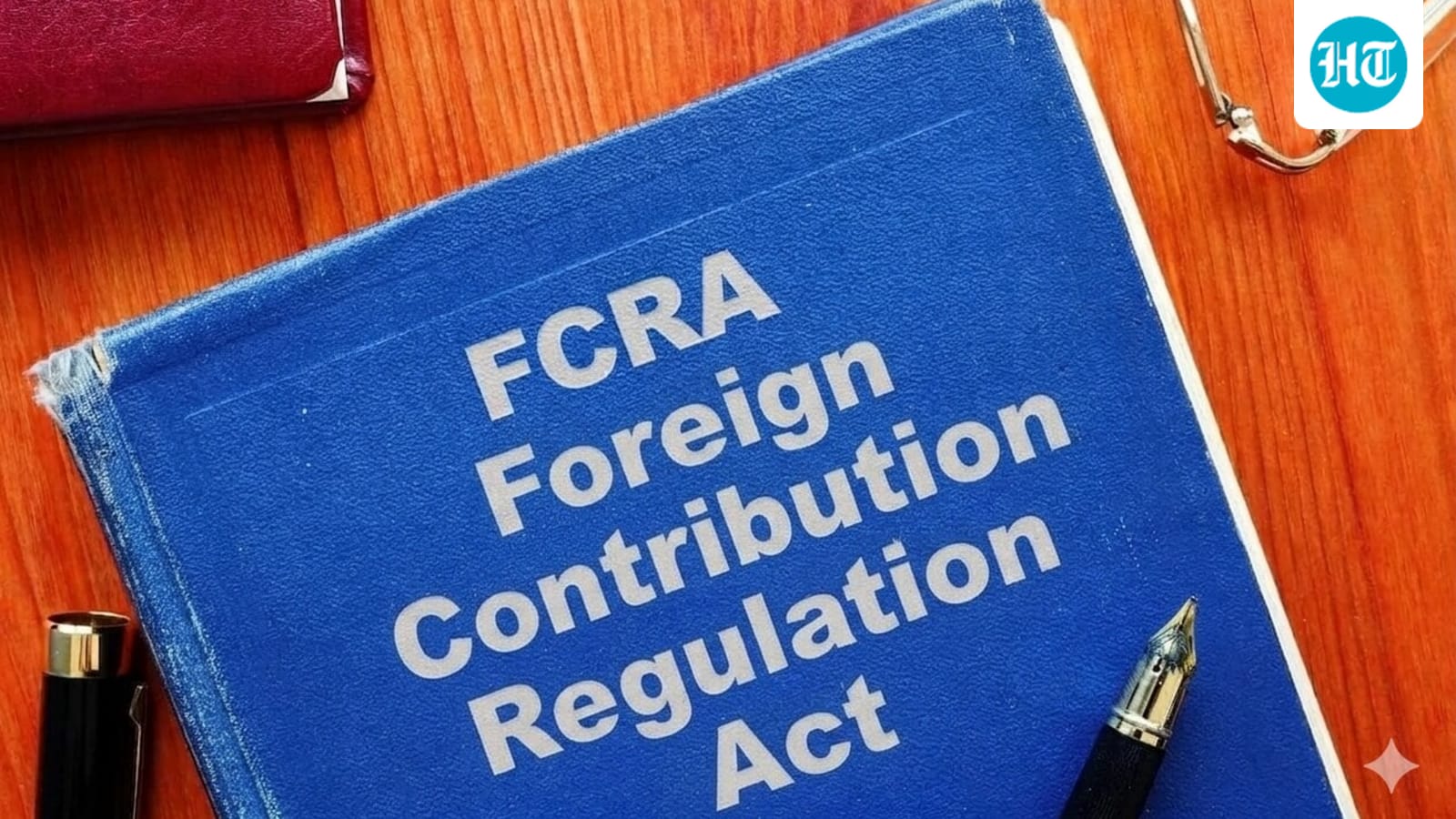
The Union Home Ministry has defended the proposed 2026 FCRA amendments to a Joint Committee of Parliament, citing national security over charity regulation. Opposition members remain concerned about the broad powers granted to a government-appointed 'designated authority' regarding the seizure of organizational assets.
The FCRA Amendment Debate: Balancing National Security and Civil Society
Legislative Intent and National Security
The Union Home Ministry, represented by Home Secretary Govind Mohan, has officially addressed the Joint Committee of Parliament (JPC) regarding the Foreign Contribution (Regulation) Amendment Bill, 2026. The core argument presented by the government is that the proposed legislative changes are not intended to impede charitable activities or target specific religious or minority communities. Instead, the Ministry emphasizes that the amendments are a necessary evolution of regulatory frameworks to protect India’s 'sovereign space' from the opaque flow of foreign capital. By framing the regulation of foreign funding as a matter of internal security, the government seeks to establish a more rigorous oversight mechanism for non-governmental organizations (NGOs) and other entities receiving cross-border donations.
The Controversy of the Designated Authority
Central to the current parliamentary discourse is the role of the proposed 'designated authority.' Opposition members of the JPC have expressed significant apprehension regarding the breadth of powers this body would possess. Under the current draft of the bill, if an organization’s FCRA certificate is cancelled, surrendered, or allowed to lapse, all assets derived from foreign contributions would automatically vest in this government-appointed authority. Critics argue that this provision lacks sufficient due process, as it allows for the takeover of assets without a prior hearing, potentially threatening the operational survival of various civil society organizations.
Addressing Minority and NGO Concerns
The JPC, chaired by BJP’s Sanjay Jaiswal, has become the primary arena for this debate. MPs have raised pointed questions about whether the amendments will disproportionately impact minority-run institutions, particularly Christian organizations that rely on international support for social welfare initiatives. The government’s rebuttal—that the bill regulates the flow of funds rather than the nature of the charity itself—highlights a fundamental tension between the state’s desire for fiscal transparency and the sector's need for operational autonomy.
Historical Context of FCRA Regulation
India’s FCRA framework has seen several iterative changes over the last decade, reflecting a broader trend of increased state scrutiny toward foreign-funded entities. The 2026 amendment represents the latest attempt to close loopholes in the existing law that officials claim have made implementation difficult. By focusing on the disposal of assets once a license is terminated, the government is attempting to ensure that foreign-funded infrastructure remains aligned with national interests rather than being repurposed or abandoned.
Future Implications and Legislative Outlook
As the JPC continues its review, the path forward for the 2026 Bill remains complex. The government must satisfy the committee that the 'designated authority' will act with transparency and accountability, while the opposition is likely to continue pushing for safeguards that protect NGOs from arbitrary asset seizure. The final report of the JPC will be a critical indicator of whether the government will concede to modifications or move forward with the current stringent framework. Ultimately, the outcome will redefine the relationship between the Indian state and the global funding networks that sustain the nation’s vast non-profit sector.
Multiple Citing Sources
Verification Required?