Equal work alone not enough to claim equal pay: Supreme Court
Source Entity
Latest News: Todays Latest News Headlines from India & World | Hindustan Times | Hindustan Times
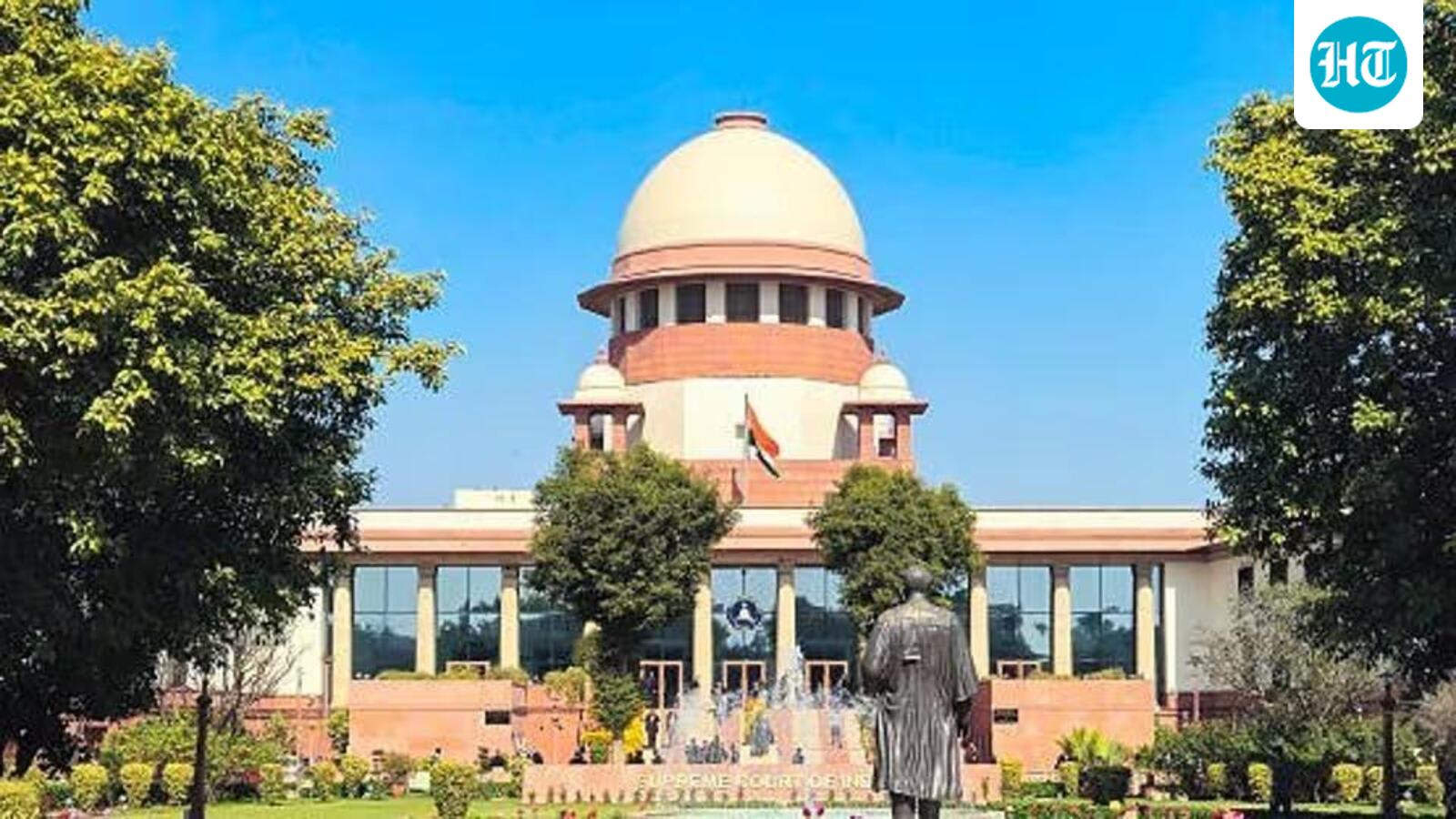
The Supreme Court has clarified that equal work alone does not guarantee equal pay, emphasizing that factors like qualifications and recruitment methods matter. Employees seeking parity must now demonstrate broad equality across multiple professional benchmarks.
Supreme Court Refines Standards for Equal Pay Claims
In a significant legal interpretation, the Supreme Court has clarified the parameters surrounding the doctrine of 'equal pay for equal work.' The bench, including Justices Dipankar Datta, has ruled that the performance of identical or similar duties is not, in isolation, a sufficient basis for a legal claim to pay parity. This decision introduces a more nuanced framework for labor law, moving away from a simplistic comparison of job tasks toward a more holistic evaluation of an employee's professional standing.
The Multi-Factor Test for Pay Parity
The court articulated that pay structures are inherently complex and tied to more than just the daily activities of a worker. To successfully claim equal pay, an employee must demonstrate broad parity across several objective criteria. These include the source of recruitment, the specific educational qualifications held by the individuals, the length and quality of experience, the methodology behind the initial appointment, and the nature of the responsibilities and accountability inherent in the roles. By establishing these pillars, the court aims to prevent superficial comparisons that ignore the structural differences in organizational hierarchies.
Distinguishing Work from Value
Central to the judgment is the distinction between 'work' and 'value.' While two employees might perform the same tasks, the court suggests that the 'value' of that work to an organization can differ significantly based on the background and authority of the individuals involved. This distinction is vital for employers who must manage diverse talent pools where different entry paths—such as direct recruitment versus promotion—might naturally lead to varied compensation packages.
Broader Implications for Employment Law
This ruling serves as a cautionary precedent for employees and legal practitioners alike. It signals that labor litigation involving wage disparities will now require a much higher evidentiary burden. Claimants can no longer rely on the mere overlap of job descriptions to demand salary adjustments. Instead, they must provide a comprehensive comparative analysis that encompasses the entirety of the employment contract and the conditions under which they were hired.
Future Trends in Wage Litigation
As organizations continue to adopt flexible and role-based hiring models, this judgment will likely shape how internal HR audits are conducted. By clarifying that equal pay is not a binary concept based solely on output, the Supreme Court has provided employers with a clear legal defense against claims that fail to account for the complexities of professional experience and recruitment standards. This ruling underscores a judicial shift toward respecting organizational autonomy in defining compensation, provided those definitions are rooted in objective, non-discriminatory criteria.
Verification Required?