‘Easier to write fiction at the moment’: Journalist Tavleen Singh on her debut novel
Source Entity
Aishwarya Khosla
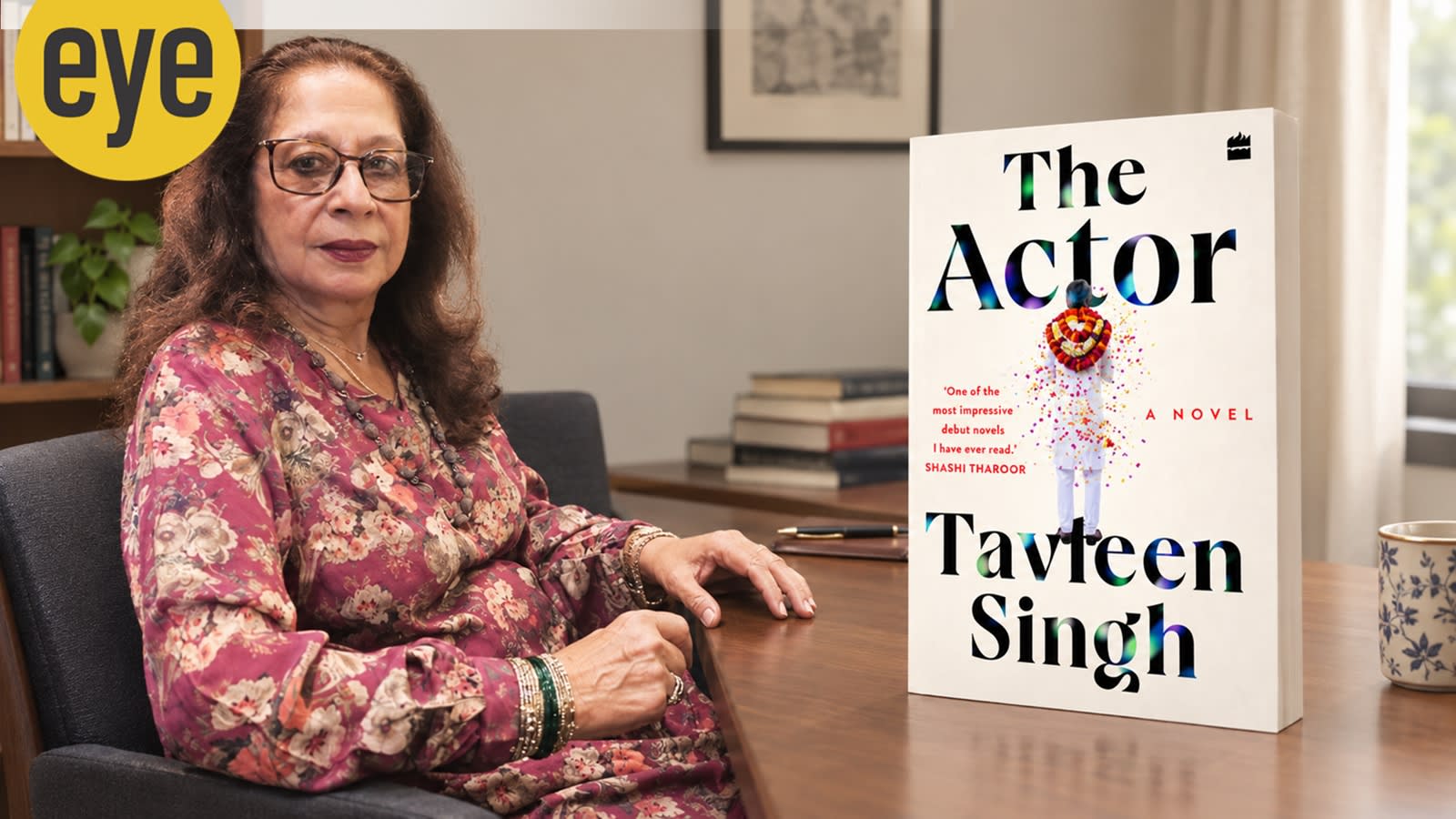
Journalist Tavleen Singh critiques the performative sycophancy surrounding the Prime Minister's birthday celebrations. She contrasts this political reality with her debut novel, which explores an India shifting toward extreme religiosity.
The Intersection of Political Performance and Literary Critique
Recent commentary by journalist and author Tavleen Singh highlights a growing disconnect between state-sponsored displays of adulation and the lived realities of India’s citizenry. Singh’s critique centers on the excessive, performative celebration of the Prime Minister’s birthday, specifically the widespread lighting of diyas. While framed as a gesture of 'blessing,' Singh argues that such displays, orchestrated by chief ministers, border on sycophancy that undermines the Prime Minister's carefully cultivated image as a 'man of the people.'
The Optics of Sycophancy vs. Public Need
The core of the conflict lies in the visual optics of these celebrations. Singh notes a poignant and troubling contrast: while streets were flooded with clay lamps to honor the leader, social media images captured impoverished children collecting lamp oil to fuel their own meager cooking needs. This juxtaposition serves as a powerful indictment of a political culture that prioritizes symbolic loyalty over substantive poverty alleviation, suggesting that the drive for political theater can inadvertently highlight the very socioeconomic disparities the state claims to address.
From Non-Fiction to Political Fiction
Transitioning from her established career as a chronicler of hard political facts—with works like Messiah Modi and Durbar—Singh has turned to fiction for her latest work, The Actor. She suggests that the current political climate has made fiction a more viable medium than non-fiction to capture the spirit of the times. This shift reflects an authorial belief that the contemporary trajectory of Indian politics is becoming so surreal that it requires the lens of speculative narrative to truly unpack.
Analyzing 'The Actor' and Future Trends
In The Actor, Singh constructs a future India defined by 'extreme religiosity.' Her protagonist, a four-term Prime Minister known as 'Guruji,' mirrors some of the archetypes found in current political discourse: a figure of immense, untouchable stature who claims to serve the nation while surrounded by associates of immense personal wealth. This narrative serves as an unsettling mirror to modern governance, where the lines between spiritual authority and political power are increasingly blurred.
Broader Implications for Indian Democracy
Singh’s dual focus—the critique of current birthday 'blessings' and the exploration of a dystopian future—suggests a deep-seated anxiety regarding the state of democratic discourse. By contrasting the humble 'son of the soil' image with the opulent reality of political associates, she points toward a trend where the cult of personality may be outpacing the institutional requirements of a functioning democracy.
Conclusion: The Mirror of Narrative
Ultimately, Tavleen Singh’s work serves as a bridge between immediate political observation and long-term societal reflection. Whether through her columns or her fiction, she challenges the reader to look past the symbols of power and question the cost of political loyalty. As India navigates its future, Singh’s work posits that the most 'prescient' observations are often those that dare to look at the shadows cast by the brightest spotlights of power.