Golwalkar had reservations on UCC, called for ‘unity in diversity’
Source Entity
Shyamlal Yadav
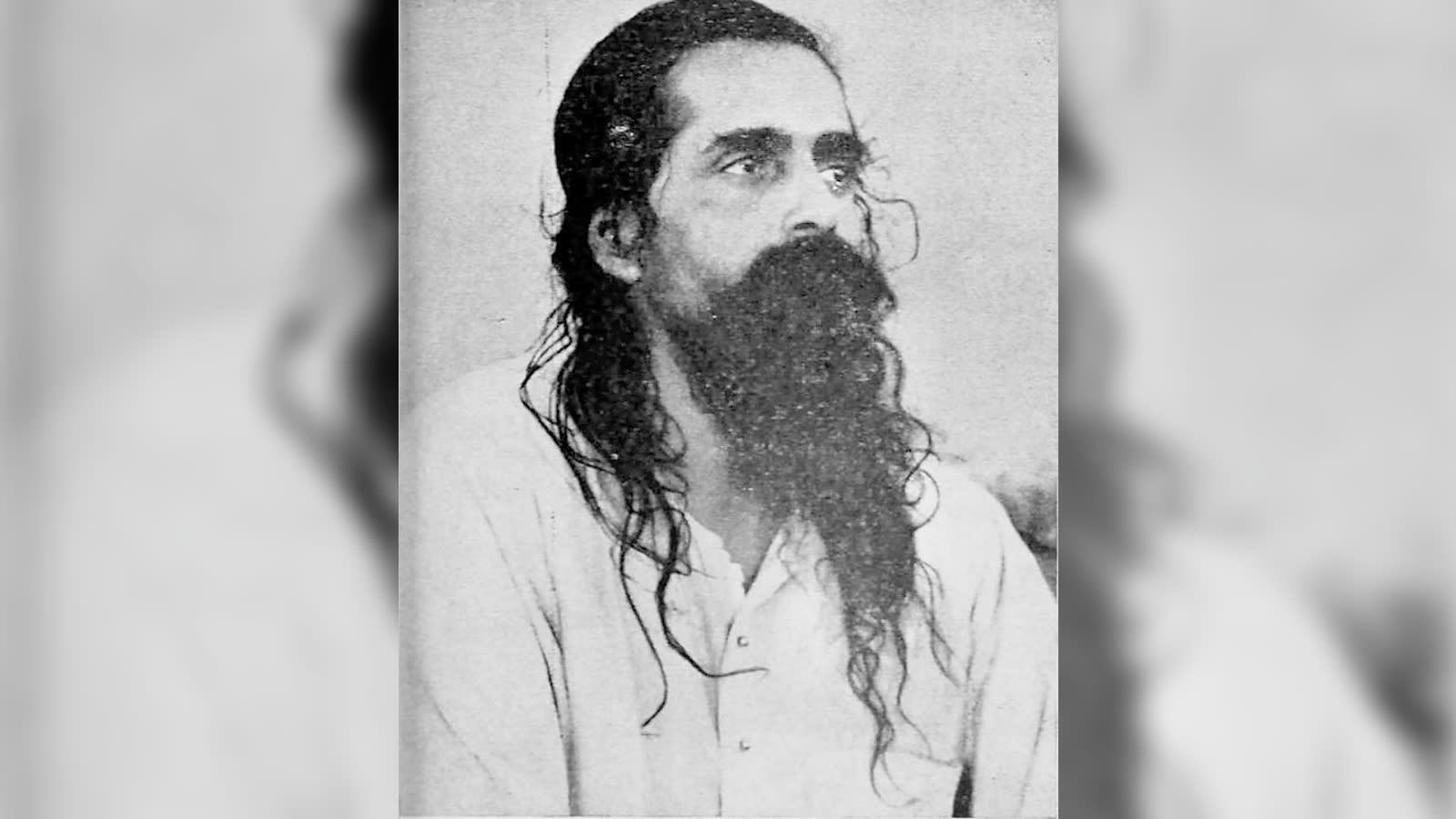
The BJP's push for a Uniform Civil Code by 2029 faces historical scrutiny as archival records reveal early RSS leader MS Golwalkar had reservations about the policy. This highlights a complex evolution in the party's ideological stance regarding unity in diversity versus legal uniformity.
The Evolving Stance on the Uniform Civil Code
The discourse surrounding the Uniform Civil Code (UCC) has recently intensified, with Union Home Minister Amit Shah articulating a clear roadmap to implement the policy across 21 NDA-ruled states by 2029. This ambitious legislative goal positions the UCC as a cornerstone of the current administration's agenda. However, a deeper look into the historical archives suggests that the path to this consensus has been far from linear, revealing a complex ideological evolution within the Bharatiya Janata Party (BJP) and its political predecessor, the Bharatiya Jana Sangh (BJS).
Historical Reservations and Ideological Nuance
Contrary to the current perception of the UCC as a long-standing, non-negotiable demand of the Sangh Parivar, historical records indicate a more nuanced approach in the early decades of Indian independence. Recent attention has been drawn to a 1972 interview with MS Golwalkar, the second Sarsanghchalak of the Rashtriya Swayamsevak Sangh (RSS), published in the organization-affiliated weekly Organiser. In the book Saman Nagrik Samhita: Ek Paricharcha, these archives reveal that Golwalkar expressed explicit reservations regarding the imposition of a uniform code, instead advocating for the preservation of “unity in diversity.”
The Shift in Political Manifestos
An analysis of the political evolution of the BJP and the BJS demonstrates that the UCC was not always a central feature of their election manifestos. During the formative years of the Republic, the RSS did not advocate for the code with the same intensity seen in contemporary political rhetoric. This suggests that the prioritization of the UCC as a core legislative objective is a relatively modern development, reflecting changing political strategies and the evolving needs of the party's governance framework.
Implications for the NDA Coalition
As the 2029 deadline approaches, the push for the UCC introduces potential friction within the National Democratic Alliance (NDA). With Amit Shah’s directive targeting all NDA-ruled states, questions arise regarding the internal cohesion of the coalition. Specifically, states like Bihar—governed by the JD(U)—present a significant political challenge. The necessity for the BJP to navigate the distinct ideological preferences of its allies while maintaining its commitment to the UCC will be a defining feature of the upcoming electoral cycle.
Broader Implications for Governance
The transition from Golwalkar’s emphasis on diversity to the current push for uniformity marks a significant shift in the ideological landscape of the Indian Right. While the government maintains that the UCC is essential for national integration and legal equality, the historical context serves as a reminder of the internal debates that have shaped the movement. As the BJP moves toward its 2029 target, it must contend with both the legacy of its own ideological founders and the practical realities of managing a diverse, multi-party coalition.
Conclusion: A Complex Road Ahead
In summary, while the push for a Uniform Civil Code by 2029 is a definitive political objective, it is inextricably linked to a complex historical narrative. The contrast between early RSS skepticism and current party policy highlights the dynamic nature of political ideology. Moving forward, the success of this initiative will depend on how the BJP balances its legislative ambitions with the regional political realities of its NDA partners.