Delhi CM Rekha Gupta, Arvind Kejriwal among 3.16mn voters get notices for SIR ‘discrepancies’
Source Entity
Latest News: Todays Latest News Headlines from India & World | Hindustan Times | Hindustan Times
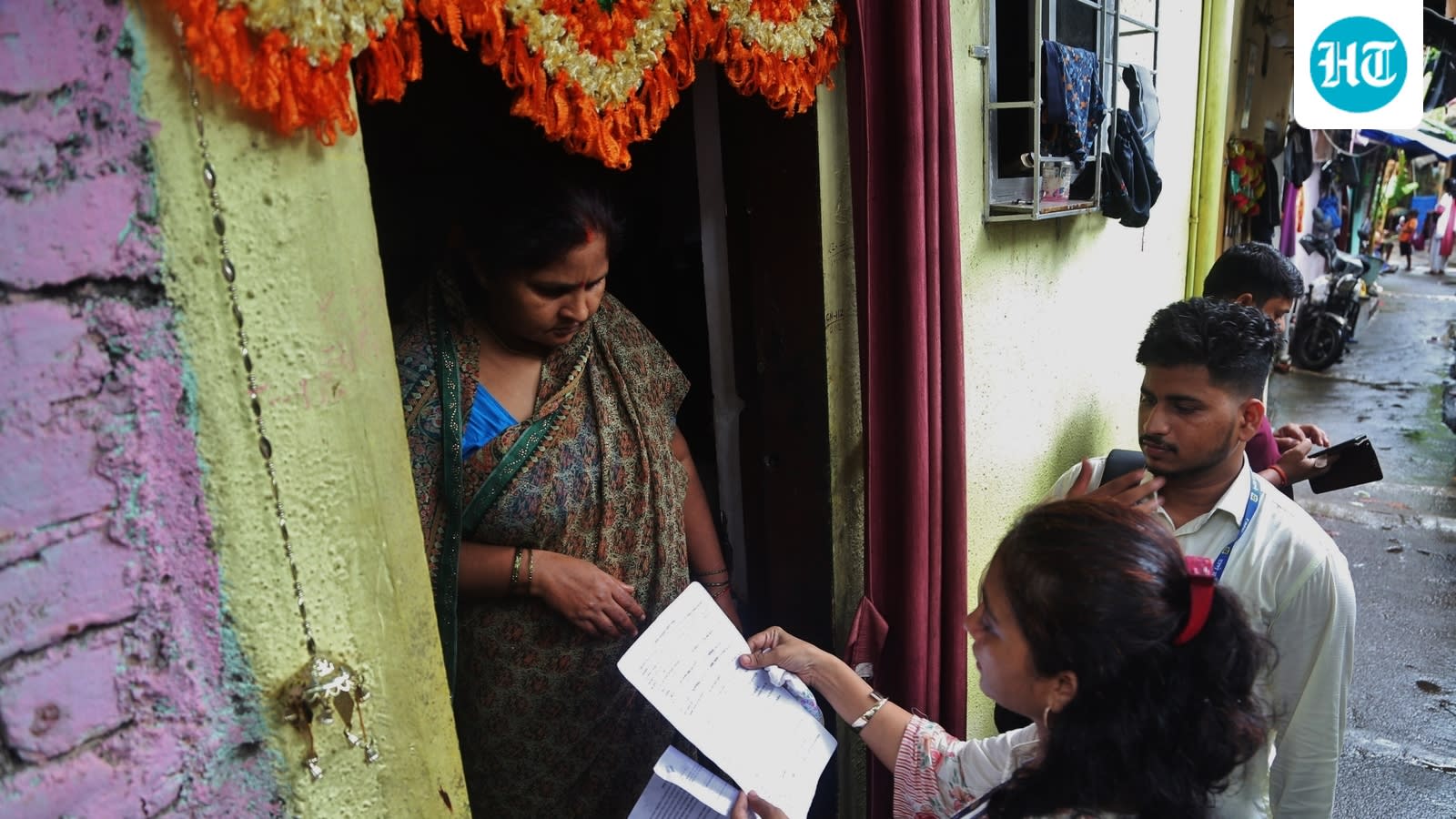
The Delhi Election Commission has removed nearly one-third of voters from the draft electoral roll, citing logical discrepancies. High-profile figures, including CM Rekha Gupta and former CM Arvind Kejriwal, are among the 3.31 million residents facing verification notices.
Massive Voter Roll Purge in Delhi: An Analysis
The Scope of the Special Intensive Revision (SIR)
On August 31, 2026, the Delhi Election Commission (EC) initiated a massive overhaul of the city's voter database through a process known as the Special Intensive Revision (SIR). The scale of this operation is unprecedented, resulting in the removal of approximately 47 lakh voters from a previous total of 1.45 crore. This reduction equates to one in every three Delhi voters being excised from the draft electoral roll, leaving a new total of 9,753,577 electors—a stark 32.8% decline from the figures recorded on June 30.
High-Profile Impact and Public Scrutiny
The intensity of this revision has reached the highest echelons of Delhi’s political landscape. Current Chief Minister Rekha Gupta, former Chief Minister Arvind Kejriwal, and members of his immediate family—including his wife Sunita Kejriwal, his parents, and his son—have been issued notices regarding discrepancies in their registration. The inclusion of such prominent political figures in the list of those facing potential disenfranchisement has intensified public and political scrutiny, drawing sharp criticism from the Aam Aadmi Party (AAP) regarding the methodology employed by the Election Commission.
Understanding 'Logical Discrepancies'
Chief Electoral Officer (CEO) Ashok Kumar has clarified that the mass removal is linked to 11 specific categories of 'logical discrepancies' and 'No Mapping' issues. These technical triggers are designed to verify the residency and eligibility of voters. However, the sheer volume of affected individuals suggests a systemic challenge in the data reconciliation process. The EC is currently conducting hearings and operating camps to allow affected citizens to present necessary documentation to rectify these flagged statuses.
Broader Implications for Democratic Participation
The removal of over 30% of the electorate raises significant concerns regarding the integrity of the democratic process. While the Election Commission maintains that this is a routine administrative exercise to ensure the accuracy of the voter list, the disruption caused to millions of citizens is substantial. The necessity of physical hearings and the burden placed on voters to prove their eligibility could potentially lead to voter apathy or the permanent exclusion of eligible citizens who may struggle to navigate the administrative requirements during these camps.
Future Trends and Judicial Oversight
Given the political sensitivity and the sheer number of people impacted, the situation has moved into the judicial sphere, with the Supreme Court slated to urgently hear a plea regarding the SIR process. Moving forward, the Election Commission faces the dual challenge of maintaining a clean, accurate database while ensuring that the administrative burden does not disenfranchise legitimate voters. The outcome of these hearings and the potential expansion of verification camps will be critical in determining whether the SIR process strengthens or undermines the electoral foundation of the national capital.
Multiple Citing Sources
Verification Required?