"Why Not Go To Approved Sites?" Delhi Traders' Body To Protesters
Source Entity
NDTV News Search Records Found 1000
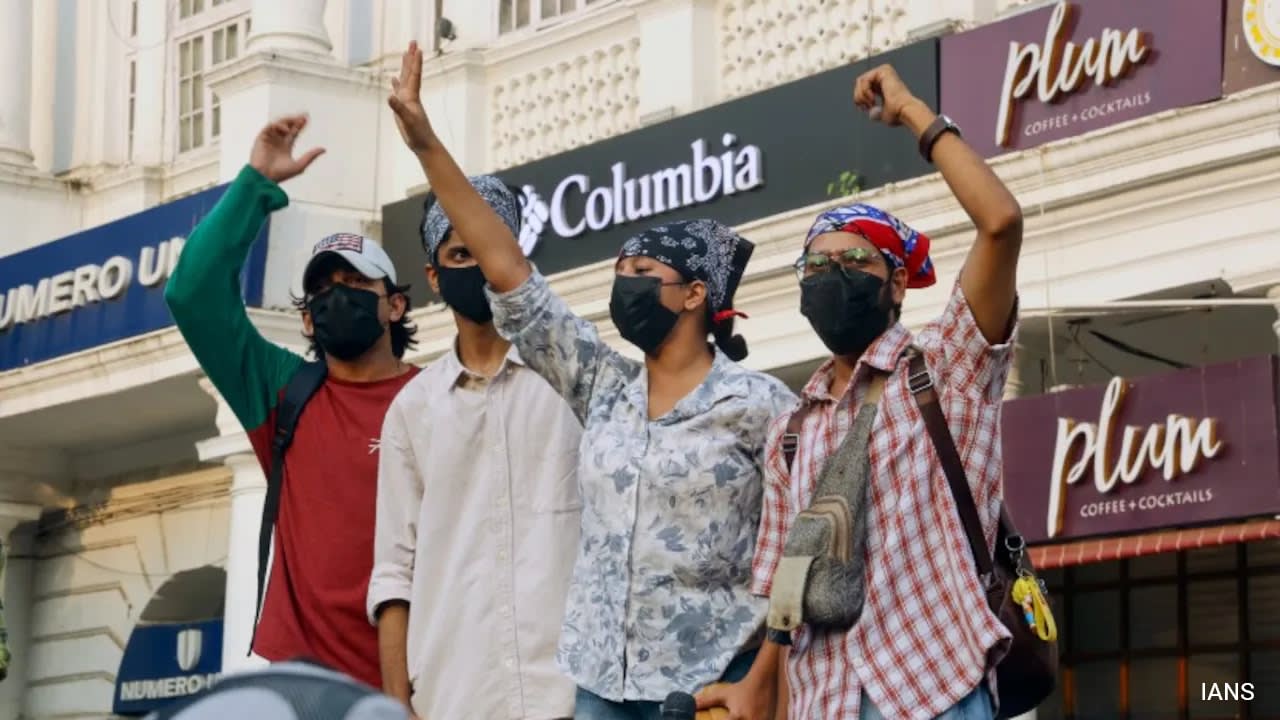
Traders in Delhi's Connaught Place have formally requested that protesters relocate to government-approved sites. They cite the negative economic impact caused by frequent demonstrations in the area.
Economic Disruption in Connaught Place
Traders operating in and around Connaught Place, the historic heart of Delhi’s commercial district, have reached a breaking point regarding the frequency of public protests in their vicinity. These business owners argue that the constant presence of demonstrators, road blockades, and the resulting security cordons are severely stifling their daily operations. As a major hub for retail, hospitality, and corporate offices, Connaught Place relies heavily on foot traffic and accessibility, both of which are compromised whenever protest activity escalates.
The Call for Designated Protest Sites
The core of the traders' demand is a plea for protesters to utilize officially designated sites rather than occupying prime commercial real estate. By urging authorities and organizers to shift demonstrations to areas specifically allocated for such purposes, the traders are advocating for a balance between the fundamental right to protest and the right to conduct business. They contend that while democratic expression is vital, it should not come at the direct expense of the livelihoods of thousands of shopkeepers and service providers.
Impact on Retail and Commerce
For the retail sector in Connaught Place, the consequences of these frequent disruptions are multifaceted. Potential customers often avoid the area during protest days to bypass traffic jams, security checks, and the general uncertainty of the environment. This leads to a measurable decline in sales, impacting not only the business owners but also the employees whose wages may be tied to store performance. The unpredictability of these events makes it difficult for businesses to plan logistics, deliveries, and staffing effectively.
Balancing Civil Liberties and Urban Function
The tension between public assembly and urban functionality is a recurring theme in major metropolitan centers worldwide. In the context of Delhi, the pressure on central zones like Connaught Place highlights the need for a more structured approach to managing public gatherings. The traders' body is essentially calling for a policy enforcement that prioritizes the operational integrity of the city's commercial centers while still respecting the legal avenues for public dissent.
Future Trends in Urban Management
Looking forward, this conflict suggests that urban planning in Delhi may need to evolve to better accommodate both political expression and economic activity. If the current trend of using central commercial hubs for protests continues, the city may face long-term economic stagnation in its most iconic districts. The traders' stance serves as a signal to policymakers that there is a growing demand for a 'middle ground' solution, where protest sites are accessible but sufficiently removed from the critical arteries of the city's economy.
Conclusion
Ultimately, the situation in Connaught Place underscores a critical urban challenge: how to maintain a vibrant economy in the face of frequent civic unrest. The traders' request is not a denial of the right to protest, but a pragmatic appeal for administrative order. Moving forward, the resolution of this issue will likely depend on the government's ability to enforce designated protest zones while ensuring that the city's commercial heart remains open, accessible, and prosperous.
Verification Required?