DU receives over 1.9 lakh applications for UG admissions; first allotment list on July 16
Source Entity
The Indian Express
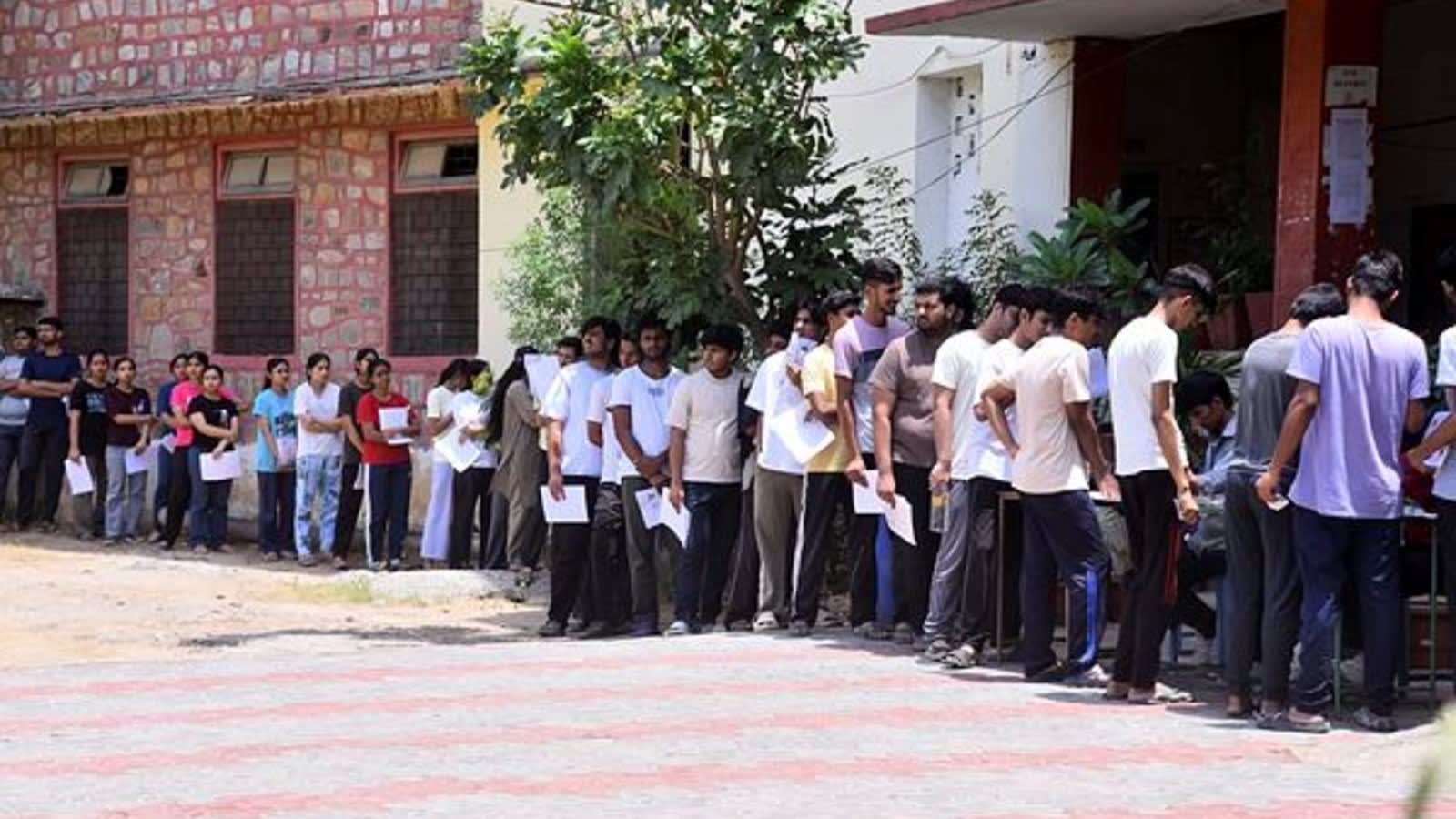
Officials added that 1,64,098 candidates have completed Phase two of the admission process, which involves filling in programme and college preferences. (Express Photo by Rohit Jain Paras/ representat...
Analysis of Delhi University's Undergraduate Admission Surge
Delhi University (DU) continues to maintain its status as one of the most sought-after higher education destinations in India, as evidenced by the recent surge in undergraduate applications. With over 1.9 lakh candidates applying for the current academic session, the sheer volume of interest underscores the perceived value of a DU degree in the competitive national job market. The admission process is a high-stakes environment where thousands of students vie for a limited number of seats in prestigious colleges, making the administrative efficiency of the university a focal point for millions of families.
The Criticality of Phase Two Preferences
Of the total applicants, 1,64,098 candidates have successfully completed Phase Two of the admission process. This phase is arguably the most strategic part of the journey, as it requires students to list their preferred programs and colleges in a specific order of priority. In the context of DU's Common Seat Allocation System (CSAS), the preference list determines where a student is placed based on their entrance scores. The gap between the total applications (1.9 lakh) and those completing Phase Two suggests a segment of candidates who may have opted for other institutions or struggled with the technical requirements of the preference-filling interface.
Shift to Entrance-Based Meritocracy
Historically, DU admissions were based primarily on Class 12 board marks, which often led to extreme cut-off percentages that were nearly impossible to achieve. The transition to a centralized entrance test (CUET) represents a fundamental shift in the university's approach to inclusivity and standardization. By decoupling admissions from varying board standards across different states, DU aims to create a more level playing field. However, the high volume of applications indicates that despite the change in the selection mechanism, the demand for DU's academic ecosystem remains an evergreen trend in Indian education.
Anticipation for the July 16 Allotment
The announcement that the first allotment list will be released on July 16 marks the beginning of the most anxious period for applicants. The allotment process is an algorithmic match between the candidate's score and their preference list. This date serves as a critical milestone, as it will trigger a wave of college admissions, document verification, and the subsequent 'upgrade' cycles. The timing of this release is crucial for students to manage their academic calendars and secure housing in Delhi, which is often a logistical challenge given the influx of outstation students.
Broader Implications for Higher Education
This massive application drive reflects a broader trend in the Indian education sector where there is an increasing concentration of aspirants toward a few 'brand-name' universities. The pressure on DU to manage nearly two lakh applications highlights the need for robust digital infrastructure to prevent server crashes and ensure transparency. Furthermore, the high competition for UG seats suggests a growing societal emphasis on undergraduate prestige as a gateway to elite postgraduate programs or high-paying corporate roles.
Future Outlook and Trends
Looking ahead, it is likely that DU will continue to see a rise in application numbers as the CUET system becomes more ingrained in the school-leaving culture. We can expect the university to further refine its CSAS portal to reduce the attrition rate between the application phase and the preference-filling phase. As the July 16 list arrives, the academic community will be closely watching the 'cut-off' trends under the new system to gauge the relative difficulty and scoring patterns of the current year's entrance exams.
Summary
In conclusion, the reception of over 1.9 lakh applications for Delhi University's undergraduate programs confirms the institution's enduring prestige. The completion of Phase Two by 1.64 lakh students sets the stage for the first allotment on July 16, a date that will determine the academic trajectories of thousands of students. The process reflects a modernized, entrance-driven approach to meritocracy that continues to attract a massive, diverse pool of talent from across the country.