Man dies after car crashes into wall, catches fire at 202 kmph, Snapchat shows speed: Delhi Police
Source Entity
Latest News: Todays Latest News Headlines from India & World | Hindustan Times
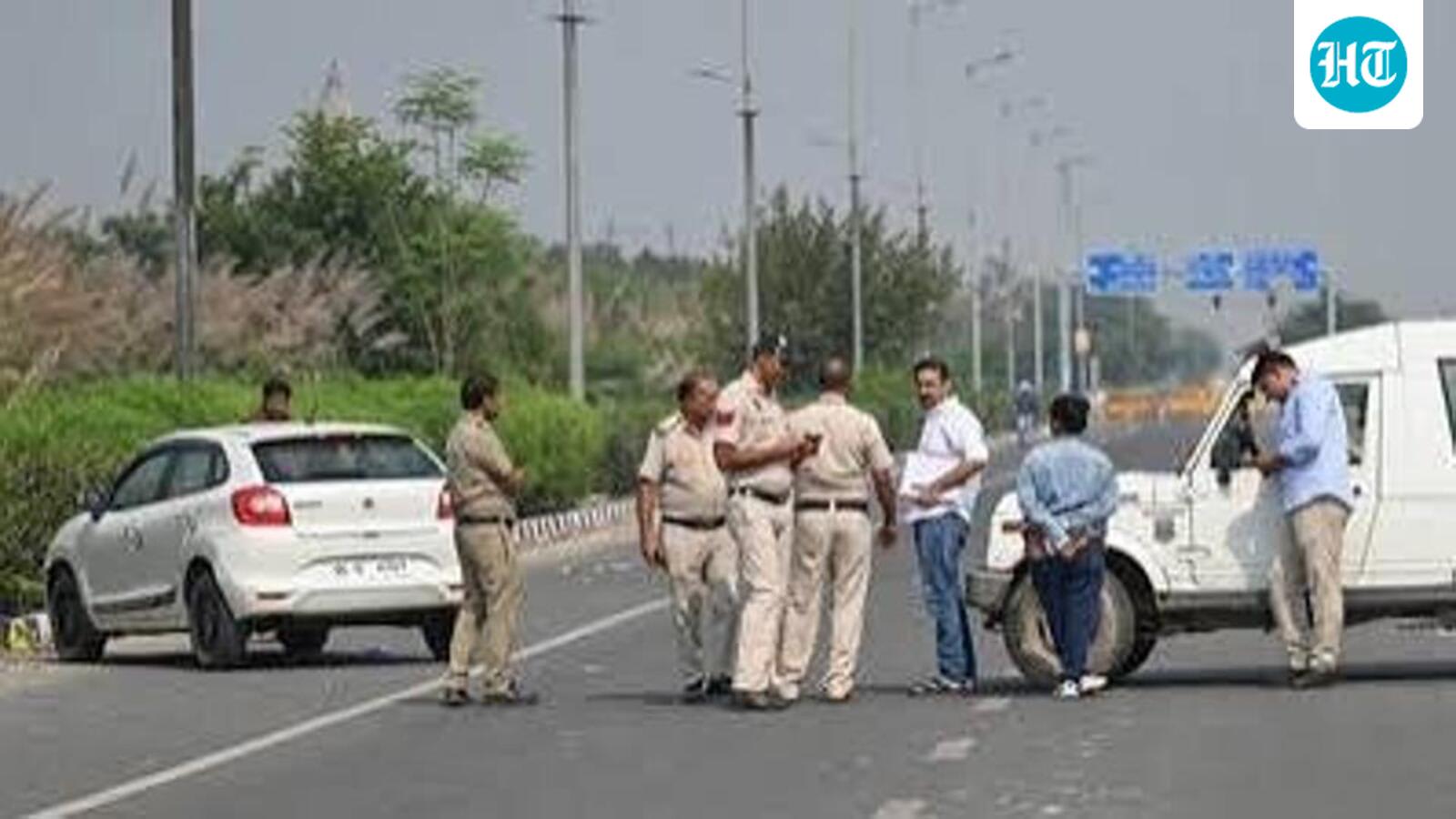
A 22-year-old man died in a high-speed crash in Delhi after his car struck a wall at 202 kmph and caught fire. Police are investigating the incident, which was documented on social media shortly before the fatal impact.
Fatal High-Speed Collision in Delhi: An Analysis
The Incident in Vasant Kunj
On the night of Diwali, a tragic accident occurred in the Vasant Kunj area of southwest Delhi, resulting in the death of 22-year-old Abhinav Singh. Singh, who was originally from Bihar and resided in Gurugram, was traveling from Ludhiana when his vehicle collided with a wall. The impact was severe enough to cause the car to catch fire immediately, leading to fatal burn injuries for the driver.
The Role of Digital Evidence
What makes this incident particularly alarming to law enforcement and safety experts is the role of digital documentation. Investigators confirmed that a Snapchat story posted by the deceased shortly before the crash displayed the vehicle’s speedometer at 202 kmph. This piece of evidence has become central to the police investigation, highlighting a growing trend where social media validation is prioritized over road safety and human life.
Infrastructure and Safety Implications
The sheer speed of 202 kmph indicates a complete loss of control, a scenario that is almost impossible to recover from on public roads. When vehicles travel at such extreme velocities, the kinetic energy involved in an impact is catastrophic, rendering modern safety features ineffective. The fact that the car caught fire upon striking a wall suggests the fuel tank or electrical systems were compromised by the force of the collision, turning a mechanical failure into a lethal fire hazard.
The Intersection of Youth and Risk-Taking
The demographic profile of the victim—a young professional traveling between cities—raises broader questions regarding road safety awareness among the youth. The incident serves as a grim reminder of the dangers of reckless driving, especially during festive periods when road conditions and visibility may be impacted by celebratory activities. The pressure to document 'thrilling' moments for online audiences has introduced a new layer of psychological distraction that directly competes with the focus required for high-speed driving.
Investigatory Procedures and Future Trends
Delhi Police are currently in the process of ascertaining the exact cause of death and analyzing all available evidence, including CCTV footage that captured the vehicle speeding prior to the crash. As authorities continue their probe, this case is likely to be cited in future road safety campaigns. Experts suggest that stricter monitoring of digital footprints after accidents and enhanced enforcement of speed limits on arterial roads are necessary to deter such dangerous behavior.
Conclusion
This tragic event in Vasant Kunj is a stark illustration of the consequences of extreme speeding. While the investigation remains ongoing, the incident reinforces the critical need for increased vigilance on Indian roads and a cultural shift regarding the glorification of dangerous driving behaviors on social media platforms.
Verification Required?