Name Missing From Delhi SIR Draft Roll? Here's What You Need To Do
Source Entity
NDTV News Search Records Found 1000
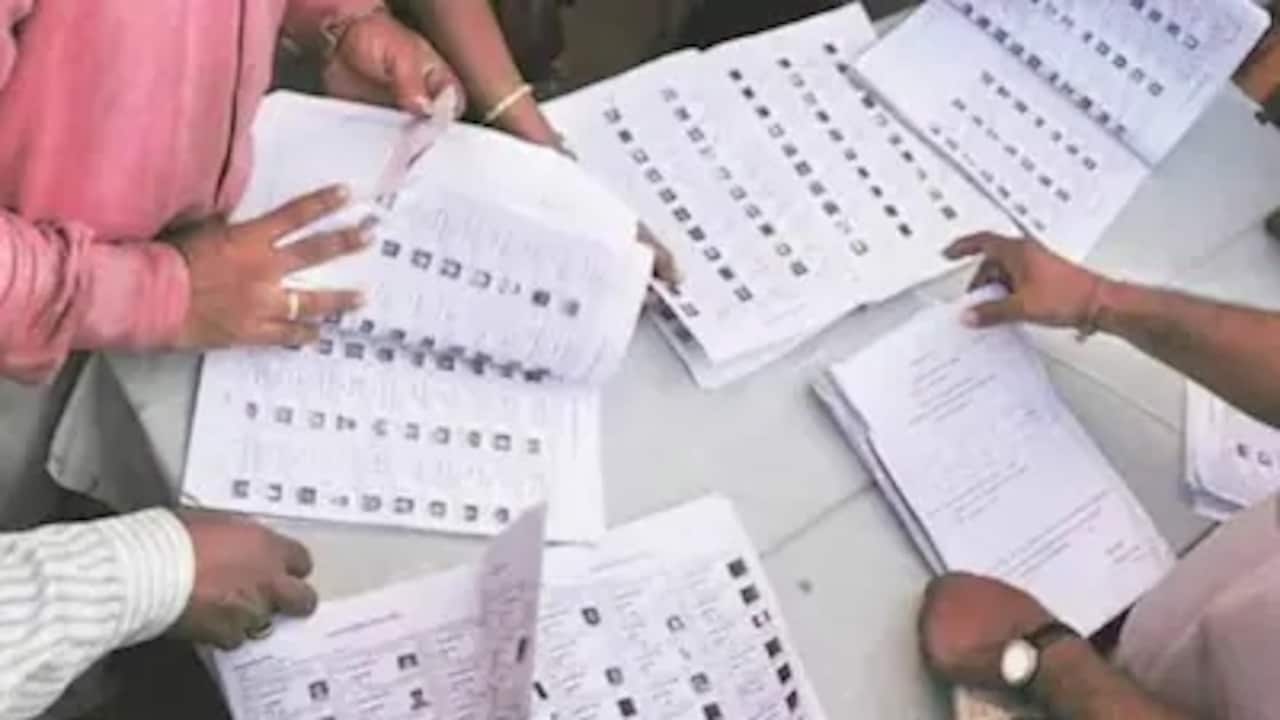
The Election Commission of India has flagged 3.3 million Delhi voters for verification following discrepancies in the latest Special Intensive Revision (SIR) draft rolls. These issues involve logical inconsistencies and mapping errors that voters must now address to maintain their electoral registration.
The Integrity of Delhi's Electoral Rolls: A Deep Dive into the SIR Process
The Scope of the Special Intensive Revision (SIR)
The Election Commission of India is currently undertaking a massive administrative exercise in Delhi known as the Special Intensive Revision (SIR). This process is designed to ensure the accuracy and sanctity of the electoral database, which serves as the backbone of democratic participation. Recently, officials announced that 3.3 million voters have been flagged for further verification following the publication of draft electoral rolls. This figure represents a significant portion of the electorate, necessitating a robust response to ensure no eligible voter is disenfranchised during the claims and objections phase.
Understanding Logical Discrepancies
Of the 3.3 million flagged cases, approximately 1.9 million have been marked for "logical discrepancies." These are not necessarily indicative of fraud or error; rather, they are the result of an automated system flagging data entries that appear inconsistent with existing database parameters. Examples include seemingly impossible age gaps between parents and children or unusual patterns in birth registration. The system is designed to be hyper-vigilant, often flagging entries that are technically possible but statistically rare, such as multiple births occurring within narrow timeframes.
Challenges in Data Mapping
Beyond logical inconsistencies, the audit revealed that 1.4 million voters could not be successfully mapped against the 2002 electoral rolls. This suggests a significant hurdle in long-term data continuity. As electoral records transition through various digital iterations over two decades, such gaps often emerge due to changes in data formatting, clerical errors in historical records, or the migration of citizens. The inability to map these individuals is a critical focal point for the Election Commission, requiring voters to provide supporting documentation to re-establish their eligibility.
The Role of Automation and Human Oversight
It is vital to distinguish between a "flagged" entry and an "invalid" entry. The automated system serves as a diagnostic tool rather than a final arbiter. Officials have emphasized that while the software flags unusual data points, it often lacks the context of complex human family structures or specific naming conventions. Consequently, the ongoing process is a collaborative effort between the Commission and the public, where citizens are invited to clarify their details through the established claims and objections procedure.
Implications for Democratic Participation
This exercise highlights the broader challenges of maintaining a digital electoral roll in a massive, mobile, and dynamic population like Delhi. The SIR process is not merely a bureaucratic task; it is a fundamental safeguard against identity duplication and registration errors. By mandating that these 3.3 million individuals verify their information, the Election Commission aims to ensure that the final electoral roll is as precise as possible, thereby fortifying the reliability of future election cycles.
Conclusion and Future Outlook
As the SIR process moves forward, the focus will remain on the efficacy of the verification drive. The success of this initiative depends heavily on public cooperation in responding to notices and submitting necessary documentation. Looking ahead, this rigorous scrutiny will likely set a precedent for how electoral bodies utilize automated technology to balance efficiency with accuracy, ensuring that the integrity of the voting process remains beyond reproach.
Verification Required?