India pledges help to rebuild school in flood-ravaged Nepal
Source Entity
VISHANT AGARWALA
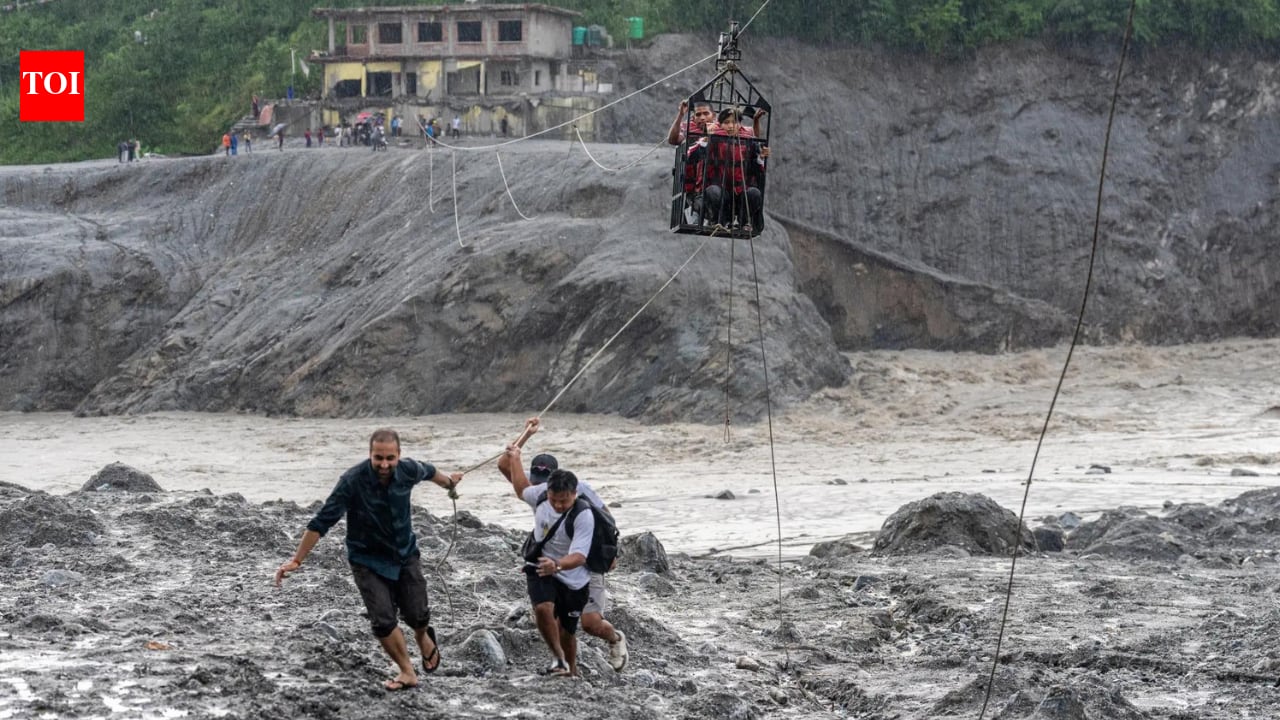
India has pledged to rebuild the flood-ravaged Tribhuvan Trishuli Secondary School in Nepal following a devastating Himalayan flood event. The disaster, which claimed over 1,100 lives, has prompted calls for better cross-border early warning systems to mitigate future glacier-related hazards.
The Humanitarian and Infrastructure Crisis in Nepal
The recent catastrophic floods in the Himalayan region have left a trail of devastation, resulting in a staggering death toll exceeding 1,100 people. As search and recovery operations continue, the human cost is being felt deeply in Kathmandu, where families are performing symbolic Hindu funerals at Pashupati Aryaghat. By using kusha grass effigies to represent their missing loved ones, these families are grappling with the trauma of an incomplete mourning process necessitated by the scale of the disaster.
India’s Commitment to Educational Recovery
Amidst this national tragedy, a significant act of international cooperation has emerged. India has officially pledged its support for the complete reconstruction of the Tribhuvan Trishuli Secondary School in Bidur. This commitment follows a narrow escape for nearly 900 students who were successfully evacuated on August 26. The decision to rebuild the institution on higher, safer ground reflects a critical shift toward climate-resilient infrastructure planning in vulnerable regions.
The Science of Warning Systems
Scientific investigation by the HiRISK consortium has revealed that the disaster may not have been entirely unpredictable. Evidence suggests that the glacier collapse, which triggered the deadly landslides and flash floods, exhibited visible 'pre-event indications.' Researchers noted the presence of brown meltwater and a propagating crack in the bedrock slope days before the incident. These findings have ignited a debate regarding the absence of operational early warning systems capable of detecting glacial instability in real-time.
Transboundary Challenges and Future Trends
The disaster highlights the urgent need for enhanced cross-border cooperation between Nepal and China, as well as the broader Himalayan community. Because glacial hazards are inherently transboundary, the lack of integrated monitoring systems leaves downstream communities exposed to preventable risks. Experts now emphasize that comprehensive monitoring of slopes and glaciers is essential for the survival of remote mountain populations.
Moving Toward Proactive Disaster Management
The reconstruction of the Tribhuvan Trishuli Secondary School serves as a microcosm for the broader recovery efforts required across the region. By moving critical infrastructure to safer, higher elevations, authorities are acknowledging the shifting reality of the Himalayan landscape. Future disaster management must transition from reactive rescue operations to proactive, science-led hazard mitigation to prevent further loss of life in these increasingly volatile environments.
Multiple Citing Sources