Supreme Court notice to Centre on plea to deny perks to judges resigning to avoid removal procedure
Source Entity
India Latest News: Top National Headlines Today & Breaking News | The Hindu
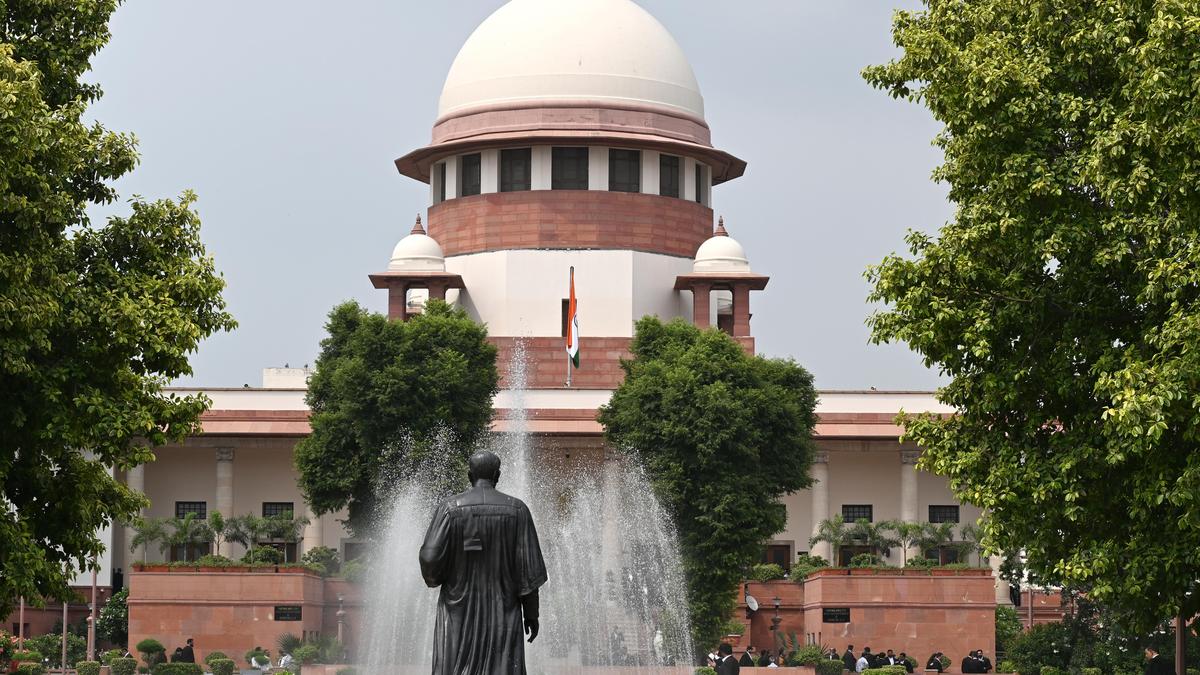
The Supreme Court has issued a notice to the Centre regarding a petition to strip retirement perks from judges who resign to evade removal proceedings. This legal challenge follows the controversial resignation of Justice Yashwant Varma amid misconduct inquiries.
Judicial Accountability: The Supreme Court's Latest Intervention
On September 3, 2026, the Supreme Court of India, led by Chief Justice Surya Kant, took a decisive step toward addressing a critical loophole in judicial ethics by issuing a notice to the Union government. The bench is currently reviewing a writ petition filed by Pratik Vora, which argues that constitutional functionaries—specifically judges—should not be permitted to retain retirement benefits if they resign specifically to escape the rigors of an inquiry into their alleged misconduct.
The Catalyst: The Resignation of Justice Yashwant Varma
The urgency of this legal challenge is underscored by the recent resignation of Allahabad High Court judge, Justice Yashwant Varma. His departure occurred while he was actively facing an inquiry and potential removal proceedings by Parliament. This specific case has become the focal point of the debate, as it highlights a pattern where individuals in high constitutional positions can potentially bypass transparency by opting for resignation before a formal removal process can be completed, thereby insulating their post-retirement privileges.
The Loophole in Current Constitutional Practice
The core of the petitioner’s argument rests on the assertion that the current framework incentivizes resignation as a strategic exit. Because current regulations do not distinguish between a judge who completes an honorable tenure and one who resigns to avoid the consequences of misconduct, the incentive structure is fundamentally flawed. The petition contends that this gap allows for 'unconstitutional and unprincipled resignations,' which ultimately undermines public faith in the judiciary.
Implications for Constitutional Integrity
If the Supreme Court rules in favor of the petitioner, it would represent a significant shift in how judicial accountability is enforced in India. By linking retirement perks to the successful completion of a tenure free from pending disciplinary action, the Court would be establishing a deterrent against using resignation as a shield. This would ensure that the 'transparent procedure of removal' remains a viable and meaningful tool rather than one that can be easily circumvented.
The Path Forward
The Union government's response to this notice will be a critical indicator of the executive's stance on judicial reform. The judiciary and the government must now grapple with the balance between protecting the independence of the bench and ensuring that those who hold such high offices remain accountable for their conduct. As the case proceeds, it will likely set a precedent for how constitutional functionaries are treated in the face of allegations, ensuring that the dignity of the office is maintained through consistent adherence to ethical standards.
Verification Required?