Apple Maps renames Lake Ontario to ‘Lake America’ for US users after Trump order
Source Entity
Marina Dunbar
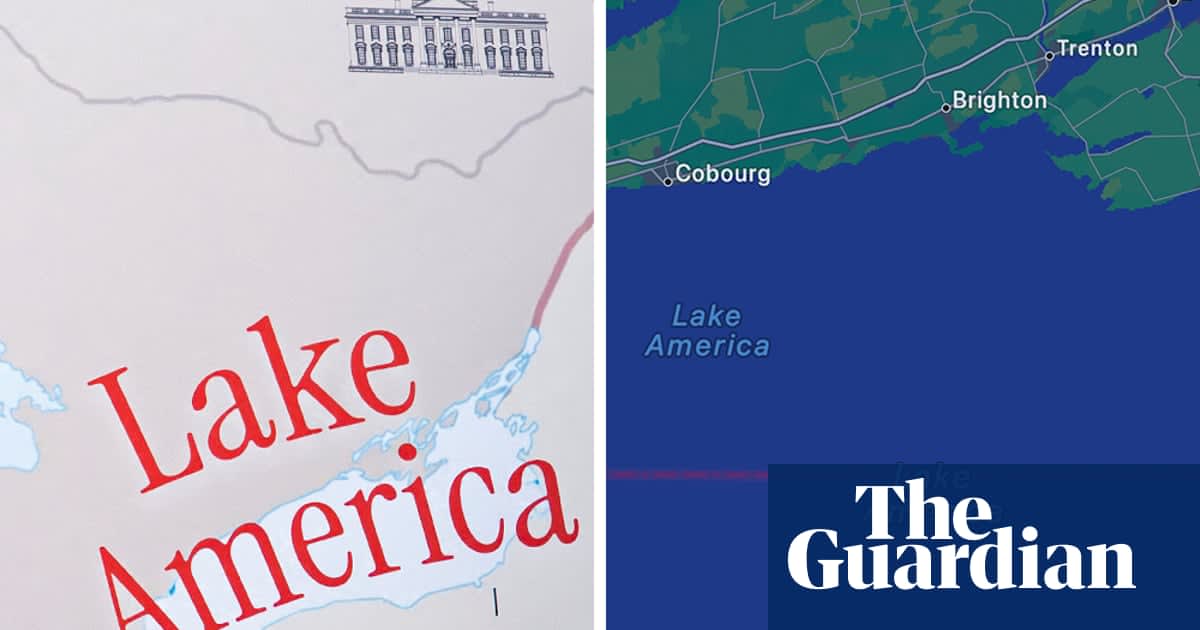
Apple Maps has renamed Lake Ontario to 'Lake America' for US users following a presidential executive order. Conversely, MapQuest has surged to the top of the App Store after publicly refusing to comply with the mandate.
The Geopolitical Mapping Conflict
In an unprecedented intersection of executive power and digital cartography, Apple Maps has updated its interface for United States users to reflect the controversial renaming of Lake Ontario to 'Lake America.' This change follows a direct executive order from President Donald Trump, issued on August 27, which sought to redefine the geographic identity of the Great Lake. The move comes amid a period of heightened trade tensions between the United States and Canada, positioning the naming of a shared natural resource as a proxy for broader economic diplomacy.
The Corporate Divergence
The response from the tech sector has been starkly divided. While Apple opted to comply with the directive—reportedly following a personal request from the President—other entities have taken an opposing stance. MapQuest, a legacy mapping service, has publicly refused to adopt the 'Lake America' designation. This act of defiance has ignited a significant public reaction, catapulting the app to the number one spot on the U.S. App Store, a remarkable comeback for a platform that many consumers had previously considered obsolete.
Implications for Digital Sovereignty
This incident raises profound questions regarding the role of private tech companies in enforcing government-mandated geographic changes. By geofencing the name change to only appear for U.S. users, Apple is attempting to balance domestic regulatory compliance with its international obligations. However, this creates a fragmented reality where digital maps no longer serve as a universal source of truth, but rather as tools for expressing nationalistic or political agendas.
Market Dynamics and Consumer Sentiment
The rapid rise of MapQuest highlights a growing trend of 'protest downloads' where digital consumers use app store participation as a form of political activism. The fact that MapQuest secured over half of its 2026 U.S. downloads in less than a week indicates that a significant portion of the electorate is sensitive to corporate compliance with controversial executive orders. This surge suggests that branding, once defined by utility, is increasingly being defined by ideological alignment.
Future Trends in Cartographic Policy
Looking ahead, this event sets a challenging precedent for the future of geographic data. If private companies are expected to act as extensions of the state in defining borders and landmarks, the reliability of global mapping services may diminish. Users may begin to rely on decentralized or non-U.S.-based mapping services to maintain access to globally recognized geographic terminology, potentially leading to a more fractured and politicized digital mapping ecosystem.
Conclusion
The 'Lake America' mandate serves as a case study in how executive power can influence the digital landscape. As Apple and MapQuest navigate these polarized waters, the incident underscores the vulnerability of digital infrastructure to political pressure. Whether this leads to a permanent shift in how consumers choose their digital tools or remains a temporary flashpoint in the U.S.-Canada trade dispute remains to be seen.