Donald Trump Aides, Fearing Midterm Poll Defeat, Push To Keep Iran War 'Quiet': Report
Source Entity
NDTV News Search Records Found 1000
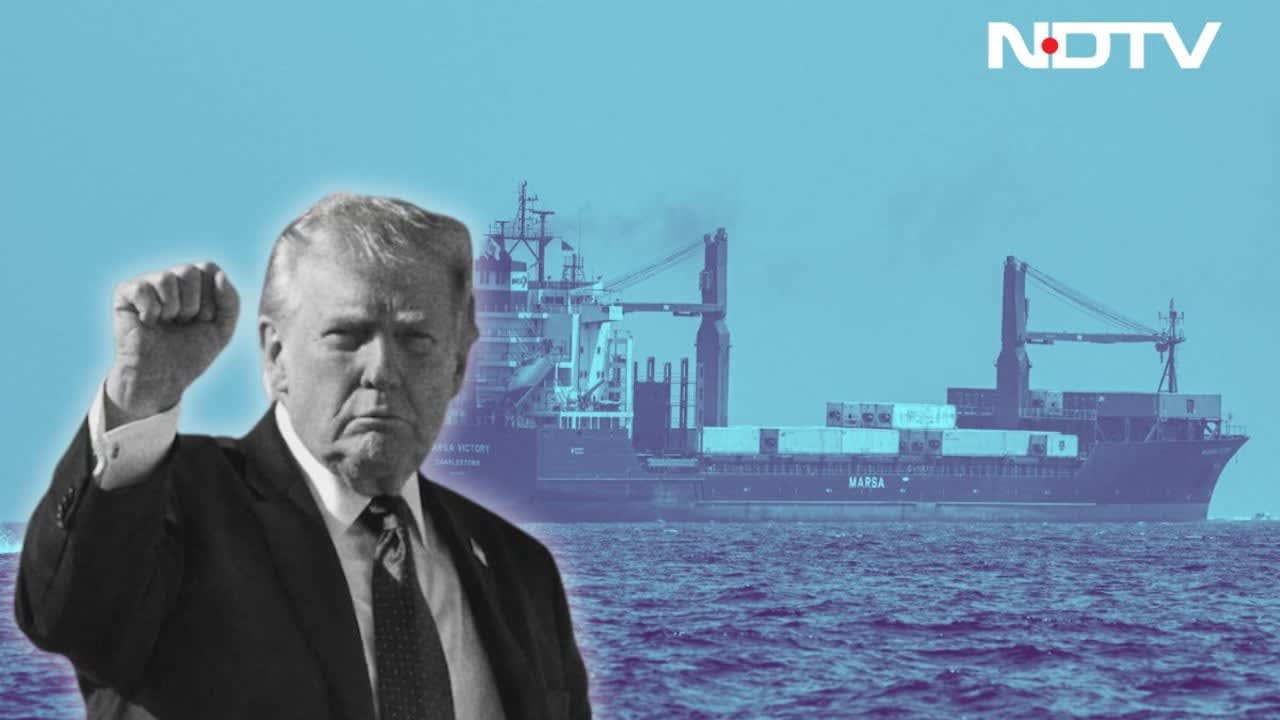
Top Trump administration aides are working to contain Iran war escalations ahead of midterm elections to mitigate political fallout. Despite public claims that elections aren't influencing strategy, logistical constraints and diplomatic pressure are forcing a focus on economic sanctions over military expansion.
The Geopolitical Calculus of the Iran Conflict
The intersection of military strategy and electoral politics has created a precarious environment for the Trump administration. Recent reports indicate that top aides are actively working to prevent an escalation in the conflict with Iran specifically to protect political interests ahead of the November midterm elections. While President Donald Trump has publicly maintained that his administration’s Iran strategy is independent of the electoral cycle, internal discussions suggest a concerted effort to manage the conflict's intensity to avoid negative voter sentiment.
Economic Pressure vs. Military Escalation
Facing constraints that include depleted munitions stockpiles and significant logistical hurdles, the administration has pivoted toward economic pressure as its primary tool for securing concessions from Tehran. By prioritizing sanctions and economic warfare, the White House aims to achieve strategic objectives without the unpredictable variables of a full-scale regional war. This approach serves the dual purpose of maintaining a hardline stance against Iran while simultaneously mitigating the risks of a kinetic conflict that could alienate voters in the lead-up to the midterms.
Diplomatic Hurdles and Regional Stability
The administration’s strategy is further complicated by the anxieties of America’s Gulf allies, who have reportedly urged the White House to pursue de-escalation. These nations, which stand to suffer most from a regional conflagration, are wary of the recent cycles of strikes and counter-strikes between the US and Iran. Balancing the demands of regional partners with domestic political priorities has forced the administration into a reactive, rather than proactive, posture regarding its Middle East policy.
The Reality of Prolonged Engagement
Despite the push for containment, the reality on the ground contradicts the narrative of a short-term conflict. The US has moved to extend troop deployments in the Middle East, a clear indicator that the military and logistical footprint in the region is expanding rather than contracting. This extension suggests that while the White House may desire a 'quiet' conflict, the structural realities of the engagement make a swift resolution increasingly unlikely.
Conclusion: Assessing the Political Fallout
The tension between the President's public rhetoric and the internal administrative maneuvering highlights the significant political stakes of this conflict. As the midterm elections approach, the administration remains caught in a delicate balancing act. Whether the current strategy of economic containment can satisfy domestic political needs while simultaneously preventing a wider war remains the central question for the current administration's foreign policy trajectory.
Verification Required?