How Delhi winter can affect your cat’s health
Source Entity
The Indian Express
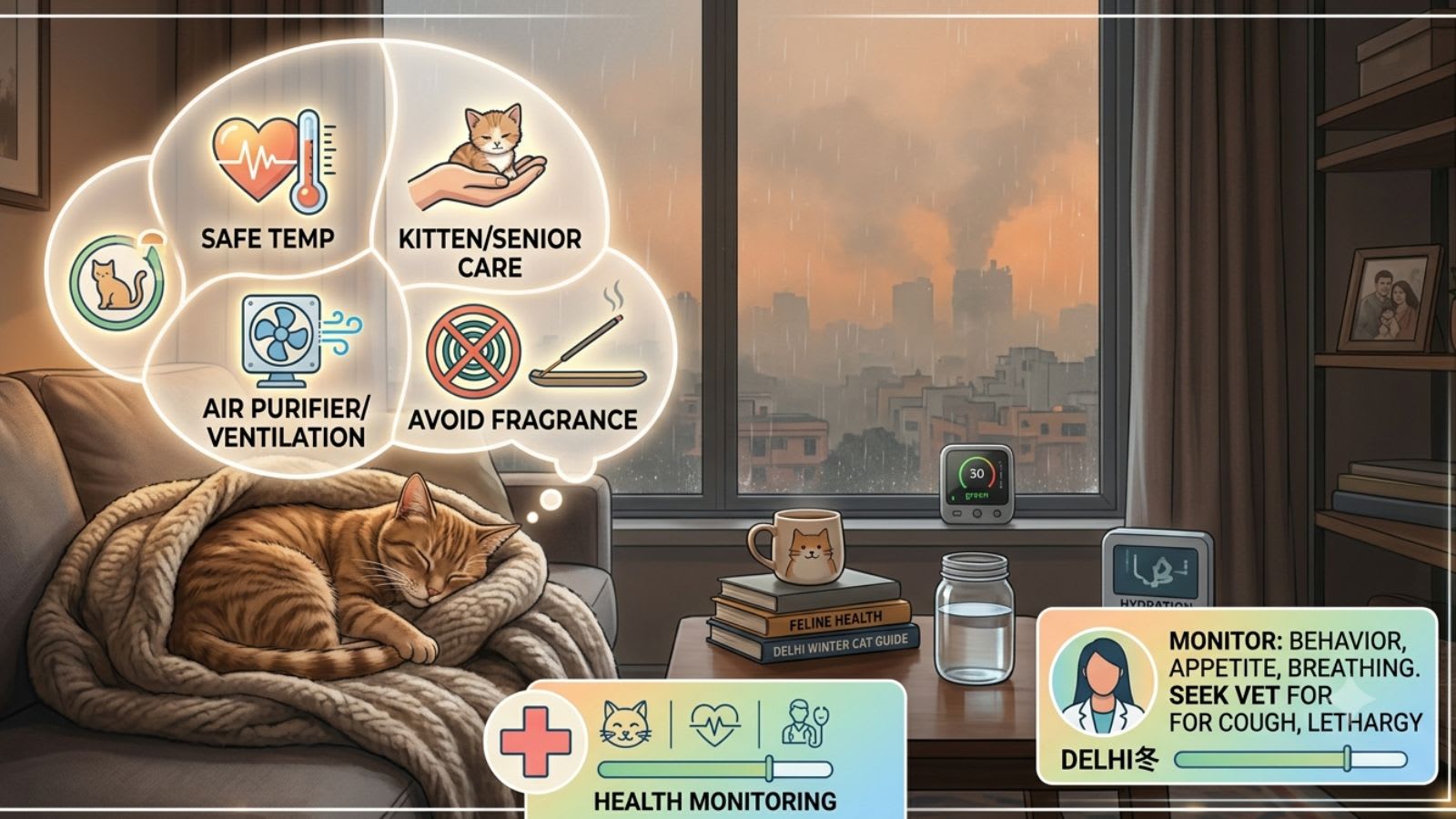
Delhi's harsh winter conditions and poor air quality pose significant health risks to cats, especially vulnerable groups like kittens and seniors. Experts advise proactive care to mitigate respiratory and thermal stress during the colder months.
Protecting Feline Health Amidst Delhi’s Harsh Winter
As the winter season descends upon Delhi, the intersection of plummeting temperatures and deteriorating air quality creates a challenging environment for pets. While cats are often perceived as resilient creatures capable of managing mild fluctuations in weather, the specific environmental stressors present in the National Capital Region demand a heightened level of vigilance from pet owners. The combination of cold drafts and stagnant, polluted air can severely compromise a cat’s respiratory system and overall well-being.
Vulnerable Populations and Health Risks
According to Dr. Deepraj Prajapati, a Senior Veterinarian at RD Pet Hospital, the impact of winter is not uniform across all feline populations. Kittens, whose immune systems are still developing, and senior cats, who may suffer from age-related immunity decline or chronic conditions, are at the highest risk. Additionally, cats that are underweight or currently battling underlying illnesses lack the metabolic reserves necessary to maintain body heat efficiently, making them prime candidates for cold-related health complications.
The Impact of Poor Air Quality
Delhi is notorious for its seasonal smog, which is exacerbated by atmospheric conditions that trap pollutants near the ground. For cats, who have highly sensitive respiratory tracts, inhaling fine particulate matter can lead to chronic irritation, asthma-like symptoms, and exacerbated bronchitis. When coupled with the cold, which naturally constricts airways, the risk of respiratory distress increases significantly. Owners must recognize that indoor air quality is just as vital as outdoor protection during these months.
Managing the Home Environment
To safeguard pets, owners should focus on maintaining a stable indoor climate. While it is standard practice to close windows to block out the biting cold and smog, this can lead to poor ventilation and the buildup of indoor allergens. Balancing warmth with air purification is essential. Ensuring that cats have access to elevated, draft-free resting spots can help them retain body heat without relying on artificial heating devices that might pose fire hazards or dry out their skin.
Proactive Veterinary Care
Expert guidance remains the cornerstone of winter pet safety. Dr. Prajapati’s insights highlight the necessity of professional consultation when observing changes in a cat’s behavior, such as lethargy, coughing, or decreased appetite. Because cats are masters at masking discomfort, subtle signs of illness often go unnoticed until a condition has progressed. Regular check-ups during the winter months can help identify potential issues before they escalate into medical emergencies.
Conclusion: A Holistic Approach to Pet Welfare
Ultimately, the responsibility of pet ownership in an urban environment like Delhi involves adapting to seasonal shifts. By acknowledging the specific vulnerabilities of kittens and senior pets, and by taking deliberate steps to manage both the temperature and the air quality of the home, owners can ensure their feline companions remain healthy and comfortable throughout the winter. Always prioritize professional veterinary advice to tailor a care plan specific to your pet's individual health history.