Delivery Hero board backs Uber’s $15B takeover bid
Source Entity
Kirsten Korosec
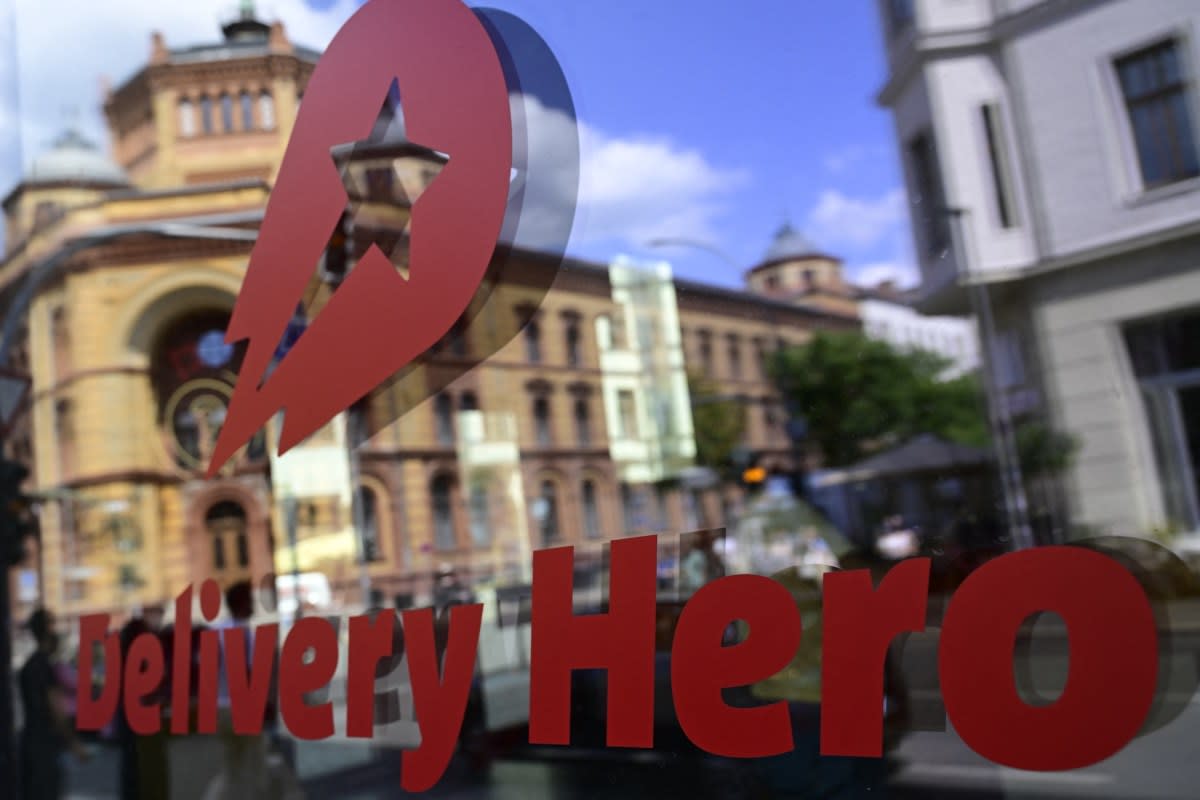
Uber has secured the support of Delivery Hero’s board for a $15 billion takeover bid aimed at consolidating the global food delivery market. This strategic acquisition would significantly expand Uber's international footprint and strengthen its competitive position against rivals like DoorDash.
The Strategic Consolidation of Global Food Delivery
In a landmark development for the gig economy, Delivery Hero’s supervisory and management boards have officially endorsed a $15 billion takeover bid from Uber. This decision marks a pivotal moment in the ongoing consolidation of the on-demand delivery sector, signaling a shift from rapid, decentralized expansion toward a model dominated by massive, integrated platforms. By recommending that shareholders approve the deal, the board has signaled its confidence that the merger is in the best interests of its employees, stakeholders, and long-term corporate trajectory.
Financial Rationale and Valuation
The boards of Delivery Hero have explicitly labeled the $15 billion offer as "fair and adequate," reflecting a calculated assessment of the company’s current market position against the synergies offered by Uber’s massive infrastructure. Beyond the immediate fiscal valuation, the boards emphasized that the partnership possesses the inherent potential to accelerate product innovation. By pooling technical resources and logistics algorithms, the merged entity aims to streamline delivery times and enhance the user experience, which remains the primary battlefield for customer retention in the delivery space.
Expanding the Global Footprint
If the acquisition proceeds as planned, Uber is set to effectively double its global footprint. This expansion is critical for Uber’s long-term strategy, as it positions the company as the dominant player in food delivery outside of the Chinese market. The sheer scale of this combined entity will fundamentally alter the international logistics landscape, allowing Uber to leverage cross-border operational efficiencies that smaller, regional players cannot replicate.
Competitive Dynamics and Market Positioning
This move is a clear response to the intensifying competition within the food delivery industry. By absorbing Delivery Hero, Uber fortifies its defenses against major rivals such as DoorDash and Just Eat Takeaway. For years, these companies have been engaged in an expensive war of attrition, spending heavily on marketing and driver incentives to secure market share. This merger suggests that Uber is moving toward a strategy of market dominance, aiming to achieve the scale necessary to move toward sustainable profitability.
Future Implications for the On-Demand Economy
Looking ahead, the success of this merger will likely invite heightened regulatory scrutiny regarding market concentration and labor practices. As the industry matures, the focus will likely shift from aggressive growth at all costs to the optimization of delivery networks and the integration of diverse service offerings. If successful, this deal could serve as a blueprint for further consolidation, potentially leading to a market dominated by only a few global giants who control the intersection of transportation, logistics, and retail.
Conclusion
The endorsement of Uber’s bid by the Delivery Hero board represents a transformative shift in the global on-demand delivery market. By aligning their resources, these companies are positioning themselves to dominate the sector, creating a platform of unprecedented scale. While the deal still requires final shareholder and regulatory approval, its potential to reshape the competitive landscape and drive technological advancement is clear, marking the end of the fragmented growth phase and the beginning of a consolidated, platform-driven era.