Democrats demand Trump reveal stock managers, explain suspicious trades
Source Entity
US Top News and Analysis
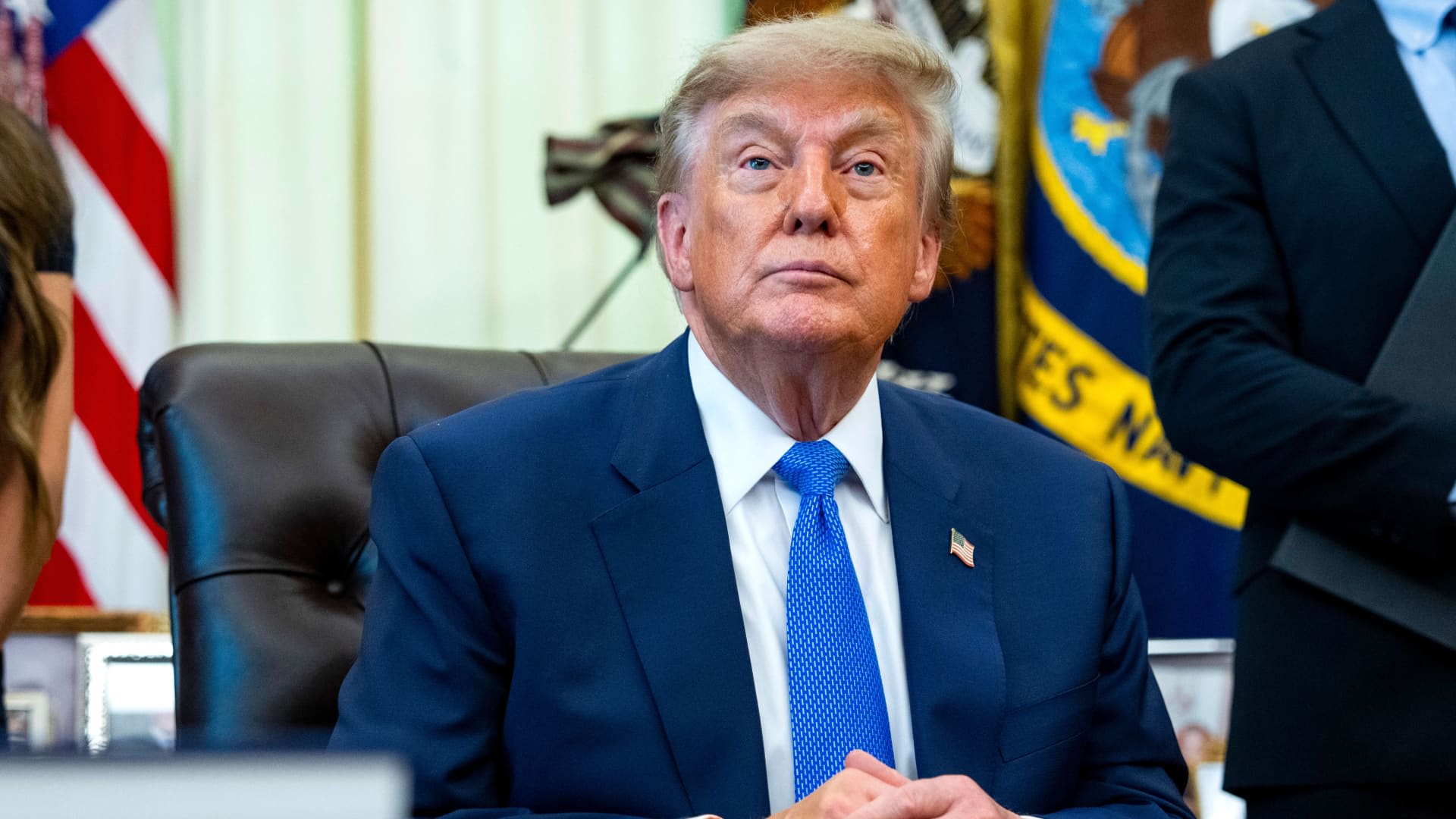
Democratic lawmakers Elizabeth Warren and Robert Garcia are demanding transparency regarding President Trump's stock trading activities. They seek to identify the managers behind these trades to inform potential legislation banning presidential stock ownership.
Congressional Inquiry into Presidential Stock Holdings
In a significant move toward executive branch oversight, Senator Elizabeth Warren and Representative Robert Garcia have initiated a formal inquiry into the financial activities of President Donald Trump. Their 17-page letter, directed at the White House, demands clarity on the management of the President's personal investment portfolio. This request centers on the volume of stock trades executed in the President's name since his return to office, marking a pivotal moment in the ongoing debate regarding potential conflicts of interest at the highest level of government.
The Push for Legislative Reform
The primary motivation behind this inquiry is the development of prospective legislation aimed at prohibiting presidents from holding individual stocks. By seeking the identities of the money managers purportedly handling these decisions, Warren and Garcia aim to determine the extent of the President's personal influence over his portfolio. The lawmakers argue that such transparency is essential to ensure that executive policy is not influenced by private financial gain, a concern that has historically shadowed presidents with extensive business holdings.
Concerns Over Market-Moving Trades
A critical component of this investigation involves the timing of specific trades that coincide with government policy shifts or market-moving statistics. The lawmakers are pressing for disclosure regarding whether the President had awareness of or direct involvement in these transactions. The proximity of these trades to significant economic events raises questions about potential insider information usage, prompting a call for a comprehensive accounting of the decision-making process behind these assets.
Historical Context and Institutional Integrity
The debate over presidential divestment is not new, but it has gained renewed urgency in the current political climate. Historically, the expectation of a blind trust has been the gold standard for avoiding conflicts of interest. However, the current situation highlights the limitations of existing disclosure laws when faced with a president who maintains active involvement in individual stock trading. This investigation reflects a broader effort by some in Congress to codify ethical standards that were previously maintained through tradition and voluntary compliance.
Broader Implications for Governance
The outcome of this inquiry could have lasting implications for how the executive branch manages personal wealth. If Warren and Garcia succeed in pushing forward legislation, it would represent a fundamental shift in the rules governing presidential conduct. Such a bill would not only mandate transparency but could fundamentally alter the financial behavior permitted for sitting presidents, ultimately aiming to restore public trust in the impartiality of government decision-making.
Future Trends and Legislative Outlook
Looking ahead, the tension between personal financial freedom and public service will likely remain a central theme in congressional oversight. The demand for specific disclosures regarding the President's money managers serves as a tactical step toward building a case for stricter financial regulations. Whether this inquiry leads to bipartisan support for a stock ban remains to be seen, but it undoubtedly places the issue of executive financial ethics at the forefront of the legislative agenda for the coming months.