Democrats have high hopes for midterms, but polls have let them down before
Source Entity
BBC News
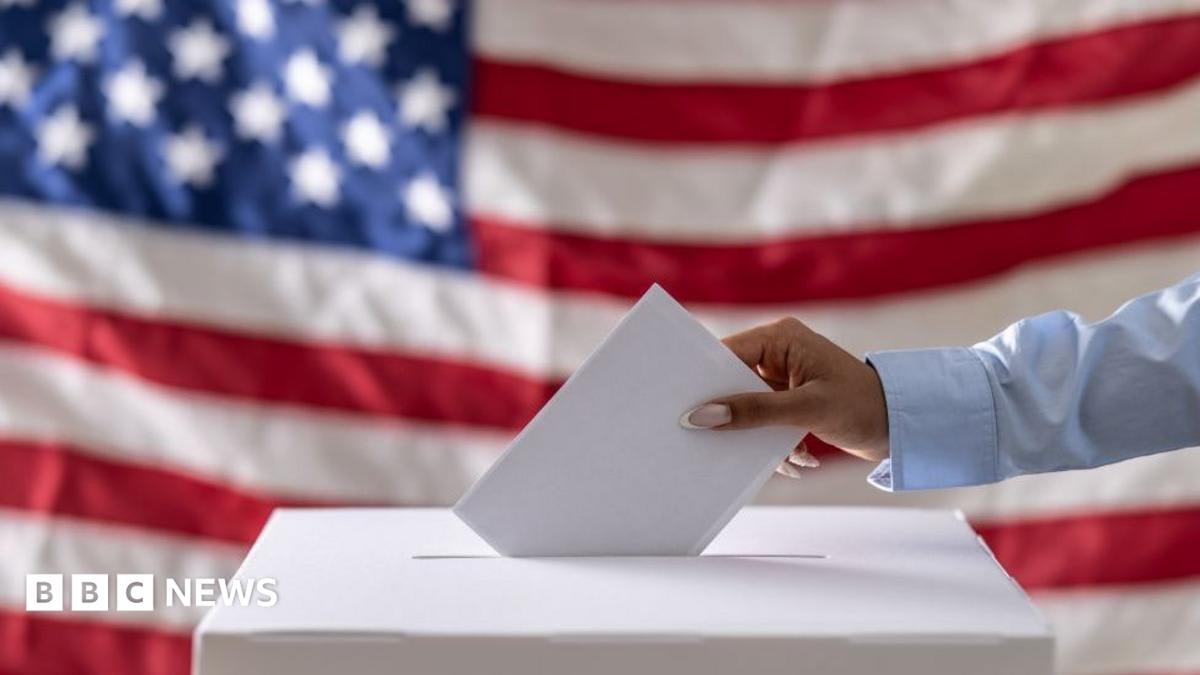
Despite favorable polling for Democrats in key midterm races, historical volatility and sampling errors cast doubt on predicted outcomes. The party faces the challenge of converting these leads into actual victories amidst economic pressures.
The Midterm Paradox: Polling vs. Reality
The Democratic Party enters the current midterm election cycle with significant momentum, fueled by a combination of public dissatisfaction with the incumbent Republican administration and a national discourse centered on the rising cost of living. As inflation impacts food prices and household bills, voters are increasingly looking toward the ballot box as a mechanism for economic correction, a sentiment that has historically served as a strong tailwind for the party out of power.
The Data Landscape
Recent polling data paints a seemingly optimistic picture for Democratic prospects, suggesting the party is well-positioned to secure the 218 seats required to flip the House of Representatives. Furthermore, the competitiveness of Senate races in traditionally Republican strongholds—such as South Carolina, Texas, and Kansas—suggests an unprecedented reach for Democratic candidates. These surveys, including high-profile data from the New York Times and CNN, indicate a potential shift in the national political map that could rebalance power in Washington.
The Shadow of Historical Volatility
However, the reliance on these polls must be tempered by the reality of American electoral history, which is littered with instances where pre-election data failed to capture the final outcome. The phenomenon of the 'last-minute decider' often obscures the true state of the race until the final hours of voting. When coupled with persistent challenges in sampling methodology, these polls may be masking the underlying volatility that defines modern American electorate behavior.
Economic Pressures and Voter Sentiment
Beyond the raw numbers, the broader implication of these midterms lies in how the American public prioritizes economic concerns over partisan loyalty. While polls show Democrats leading in key Senate races, the success of these candidates depends heavily on whether the electorate remains focused on the rising costs of bills and food. If the economic anxiety of the average voter outweighs party-line identification, the final tallies may diverge significantly from current projections.
Future Trends and Electoral Stability
Looking ahead, these midterms serve as a critical stress test for the reliability of modern polling techniques. If the Democratic surge fails to materialize despite the favorable data, it will likely trigger a massive reassessment of how pollsters weight their samples to account for non-traditional voters. Regardless of the outcome, the results will dictate the legislative agenda for the remainder of the presidential term, determining whether the executive branch faces a cooperative or obstructionist Congress.
Conclusion
In summary, while the current polling landscape suggests a potential political realignment in the House and Senate, the history of election cycles dictates caution. The gap between polling leads and electoral victory remains a significant variable, influenced by economic instability and the unpredictable nature of late-deciding voters. The outcome on Tuesday will not only decide the legislative future of the country but also define the credibility of political forecasting for years to come.