What Republicans' huge loss means for Trump
Source Entity
US Top News and Analysis
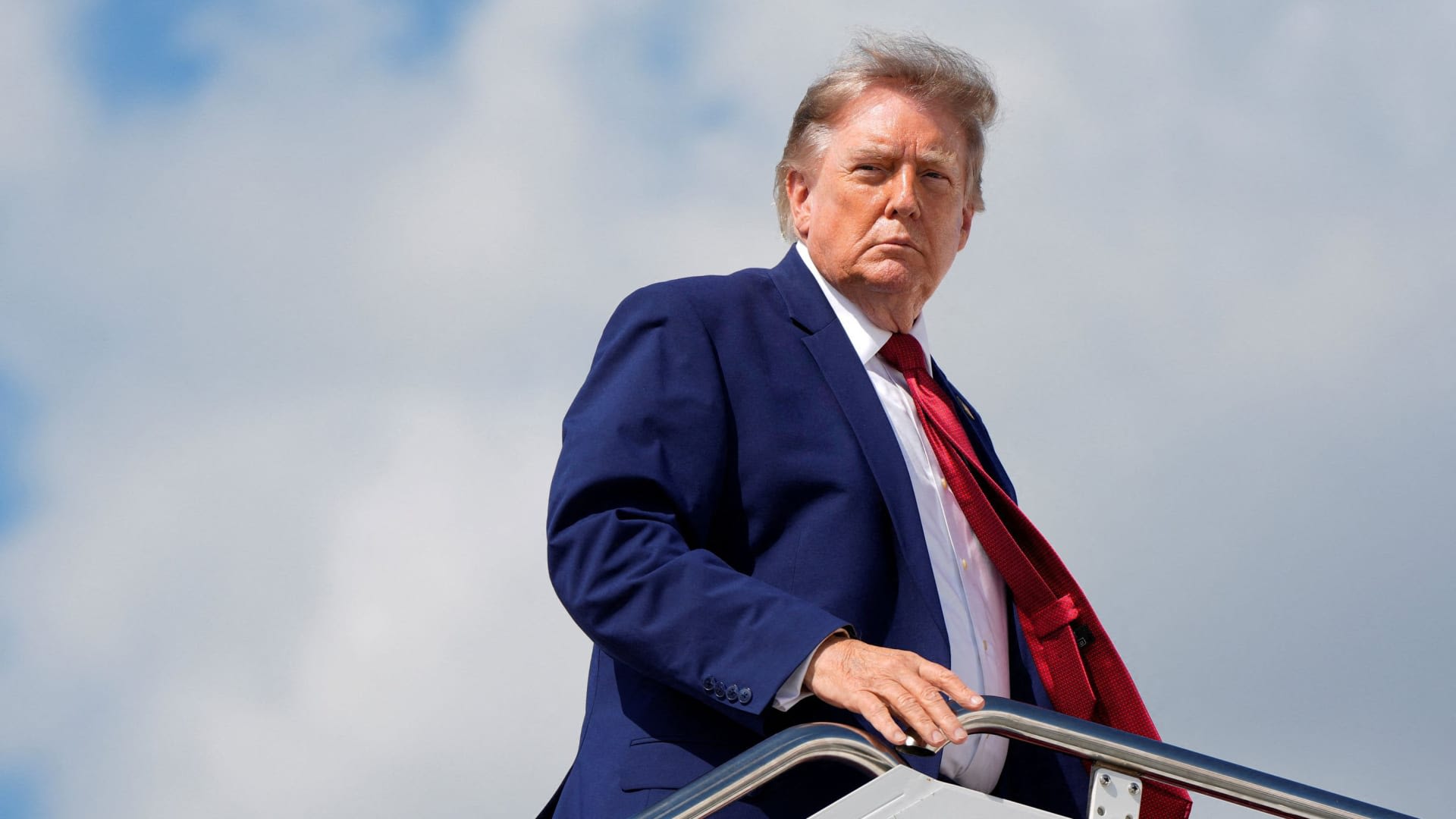
The Democratic party has secured commanding majorities in both the House and Senate following the 2026 midterm elections. This shift empowers Democrats to launch investigations into the Trump administration's foreign and domestic policies while effectively blocking his legislative agenda.
The Shift in Power: A New Era for the Trump Presidency
The 2026 midterm elections have fundamentally altered the landscape of American governance, with the Democratic Party securing commanding majorities in both the House and Senate. This electoral outcome, often described as a 'blue tsunami,' represents a significant rebuke of the Republican congressional bulwark that had previously shielded President Donald Trump. As the administration enters the second half of its term, the political environment in Washington has shifted from one of legislative cooperation to one of intense confrontation and oversight.
Legislative Gridlock and the End of Partisan Agendas
With the Democrats in control of both chambers of Congress, the prospect of President Trump passing significant partisan legislation has been effectively nullified. The administration, which previously enjoyed a compliant Congress, now faces a legislature capable of blocking appointments and refusing to authorize funding for key presidential priorities. This shift forces a transition in executive strategy, as the White House will likely pivot toward utilizing existing executive authorities to bypass congressional roadblocks.
Increased Oversight of Foreign Policy
One of the most immediate impacts of this power shift is the enhanced scrutiny directed at the administration's foreign policy. Democrats have signaled an intent to conduct rigorous investigations into the ongoing conflict in Iran and the administration's handling of the war in Ukraine. While the President retains broad executive powers to conduct foreign policy, the new Democratic leadership in Congress now possesses the tools to demand transparency, subpoena administration officials, and challenge the strategic direction of these military involvements.
The Battle Over Economic and Domestic Policy
Beyond foreign policy, the administration's economic agenda—specifically regarding the implementation of tariffs—is set to face sudden and intense pushback. Congressional Democrats are expected to leverage their new authority to investigate the economic impacts of these trade policies, as well as the administration's broader approach to sanctions, including those affecting Russian oil. Furthermore, domestic initiatives such as Washington-area construction projects and immigration enforcement measures will likely become primary targets for legislative inquiries and budgetary restrictions.
Future Trends and Executive Maneuvering
As the administration moves into its final two years, observers expect President Trump to lean more heavily into his executive powers to maintain influence. However, the ability for Democrats to withhold funding and initiate investigations into allegations of corruption ensures that the administration will be perpetually on the defensive. The coming months will likely be characterized by a high-stakes standoff between the White House and Capitol Hill, as the President attempts to navigate a landscape where his traditional legislative tools have been stripped away.
Conclusion
The midterm results represent a decisive turning point in the 2026 political cycle. By capturing both chambers of Congress, Democrats have effectively constrained the President’s ability to enact his agenda while simultaneously opening new avenues for oversight. The remainder of the Trump presidency will be defined by this tension, marking a stark departure from the legislative ease of his first two years and setting the stage for a period of intense institutional friction.