24 National Unity Day Parade Personnel Test Positive For Dengue In Gujarat
Source Entity
NDTV News Search Records Found 1000
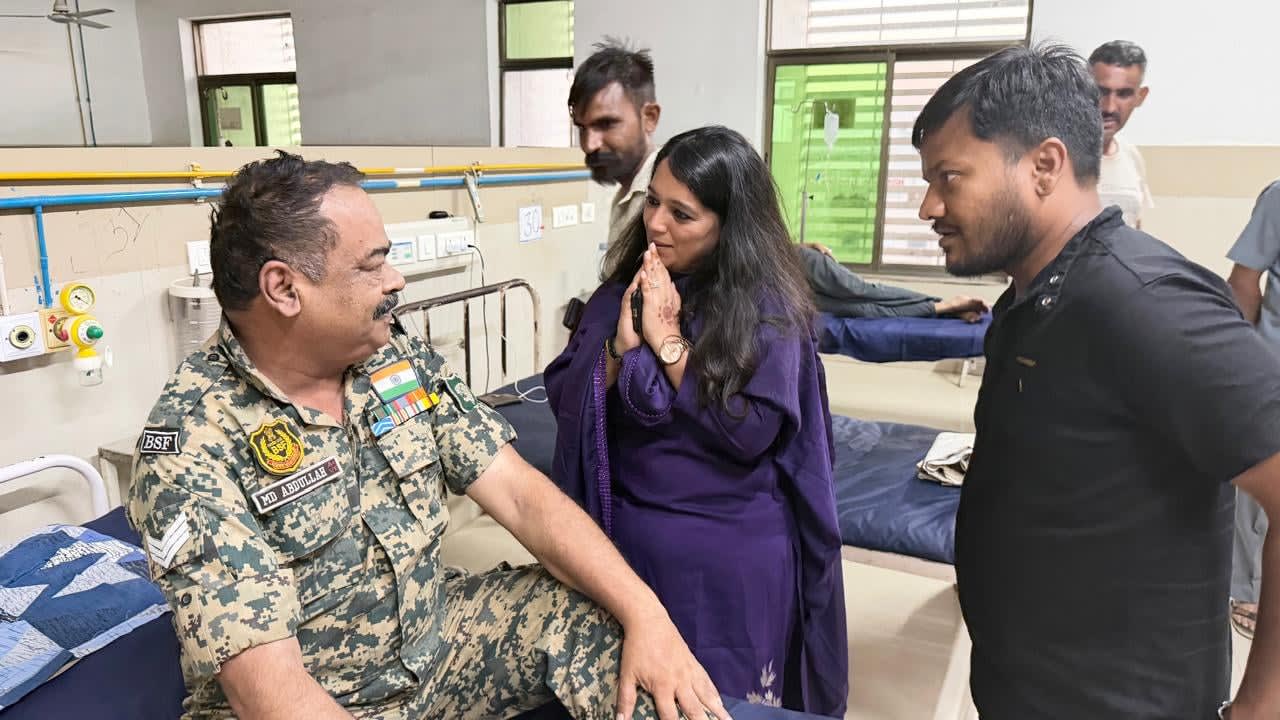
Twenty-four personnel participating in the upcoming Rashtriya Ekta Diwas parade in Gujarat have tested positive for dengue. Authorities are managing the situation as the national unity events proceed as scheduled for October 30 and 31.
Health Concerns Impact Rashtriya Ekta Diwas Preparations
As Gujarat prepares to host the annual 'Rashtriya Ekta Diwas' (National Unity Day) celebrations on October 30 and 31, a significant health challenge has emerged. It has been confirmed that 24 personnel involved in the upcoming parade have tested positive for dengue. This development highlights the logistical and public health complexities involved in organizing large-scale national events in regions where vector-borne diseases remain a seasonal concern.
The Context of National Unity Day
Rashtriya Ekta Diwas is a major annual observance in India, marking the birth anniversary of Sardar Vallabhbhai Patel, the architect of India’s post-independence integration. The event typically features elaborate parades, cultural displays, and official ceremonies to foster a sense of national unity. The involvement of various personnel, including security forces and parade contingents, requires significant coordination, making the sudden outbreak of dengue among participants a matter of immediate operational concern for event organizers.
Understanding the Dengue Risk in Gujarat
Dengue fever is a viral infection transmitted by the Aedes aegypti mosquito, which is prevalent in tropical and subtropical climates. In Gujarat, the post-monsoon period often sees a spike in such cases due to residual water stagnation that provides ideal breeding grounds for mosquitoes. The infection of 24 parade personnel underscores the persistent challenge of managing environmental health risks, even when high-profile national programs are prioritized.
Operational Implications for the Parade
When a significant number of participants are sidelined by illness, it creates an immediate strain on the parade's choreography and security protocols. Organizers must now balance the need to maintain the event's stature while ensuring the health and safety of the remaining personnel. This often involves intensifying vector control measures, such as fogging and sanitation drives in the housing and training areas of the parade staff, to prevent further transmission among the contingent.
Broader Implications for Event Management
This incident serves as a reminder that large-scale public gatherings require robust medical contingency planning. Beyond the immediate impact on the parade, the event highlights the necessity for proactive health screening and environmental management in the weeks leading up to major state functions. The ability of the local administration to contain the spread of the virus while keeping the event on track will be a test of their crisis management capabilities.
Conclusion
The authorities remain committed to holding the Rashtriya Ekta Diwas events as scheduled on October 30 and 31, despite the health setbacks faced by the parade personnel. By implementing targeted health interventions and monitoring the affected individuals, the administration aims to mitigate the impact of the dengue outbreak. The event stands as a testament to the resilience of the planning committees as they navigate these unforeseen health hurdles in honor of national unity.
Verification Required?