$100M Acquisition: How Descartes & Tai Boost Broker Efficiency
Source Entity
Yahoo Finance
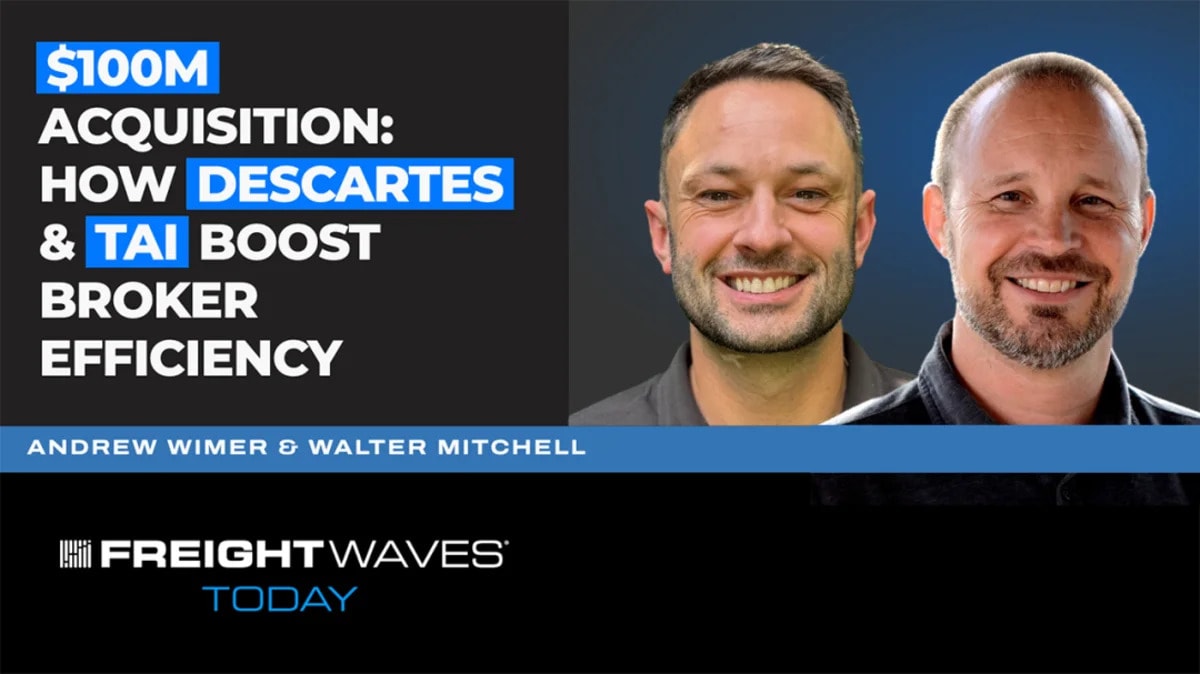
Descartes Systems Group has acquired Tai Software for $100 million to integrate AI-driven brokerage tools into its logistics network. This strategic move aims to solve industry-wide issues like freight fraud, margin compression, and workflow fragmentation.
Strategic Consolidation in Logistics Tech
Descartes Systems Group’s recent $100 million acquisition of Tai Software marks a significant pivot in the logistics technology sector. By integrating Tai’s AI-powered freight brokerage platform into its expansive ecosystem, Descartes is signaling a move toward deeper automation. This acquisition follows a pattern of aggressive growth, coming just two years after the company acquired 3G, a move that bolstered its managed transportation services. This latest deal effectively folds Tai into a robust portfolio that already includes industry staples such as MacroPoint, MyCarrierPortal, and Aljex.
Addressing Brokerage Pain Points
The freight brokerage industry is currently grappling with three primary existential threats: systemic freight fraud, tightening margin pressures, and highly fragmented digital workflows. Tai Software’s platform is specifically engineered to mitigate these issues through artificial intelligence. By leveraging these tools, brokers can better verify carrier identities, optimize pricing strategies to protect margins, and consolidate multiple disparate software systems into a single, unified interface. This integration is designed to reduce the administrative burden that currently plagues small-to-mid-sized brokerage operations.
The Future of Unified Logistics Networks
Descartes is positioning itself as the primary architect of a unified global logistics network. The strategy appears to be moving away from point solutions toward a comprehensive, end-to-end ecosystem. By connecting Tai’s brokerage capabilities with existing tools like MacroPoint—which provides real-time visibility—and Aljex for operational management, Descartes is creating a data-dense environment that allows for superior decision-making. This connectivity is essential for brokers who need to react in real-time to market volatility.
Scaling Through Acquisition
The frequency of Descartes' acquisitions suggests a deliberate strategy to achieve market dominance through consolidation. By absorbing specialized players like Tai Software, Descartes can rapidly deploy advanced features to its existing global customer base without the typical R&D lag associated with internal development. This "buy-and-build" model allows them to maintain a technological edge, ensuring that their platform remains the central nervous system for their clients' logistics operations.
Long-Term Market Implications
Looking ahead, this merger will likely force competitors to either accelerate their own M&A activity or invest heavily in proprietary AI capabilities. As logistics becomes increasingly data-driven, the ability to offer a holistic platform that handles everything from carrier onboarding to final delivery visibility will become the industry standard. Brokers who fail to adopt these integrated, AI-powered solutions may find themselves at a significant competitive disadvantage, facing higher operational costs and increased vulnerability to industry-specific fraud risks.
Conclusion
In summary, the $100 million acquisition of Tai Software by Descartes Systems Group is a transformative event for the freight brokerage sector. By focusing on AI integration and platform consolidation, Descartes is not just buying a software company; it is building a foundational infrastructure that will likely define the efficiency standards for logistics brokers in the coming decade.