Destro AI’s secret sauce is getting robots and humans on the same page
Source Entity
Tim Fernholz
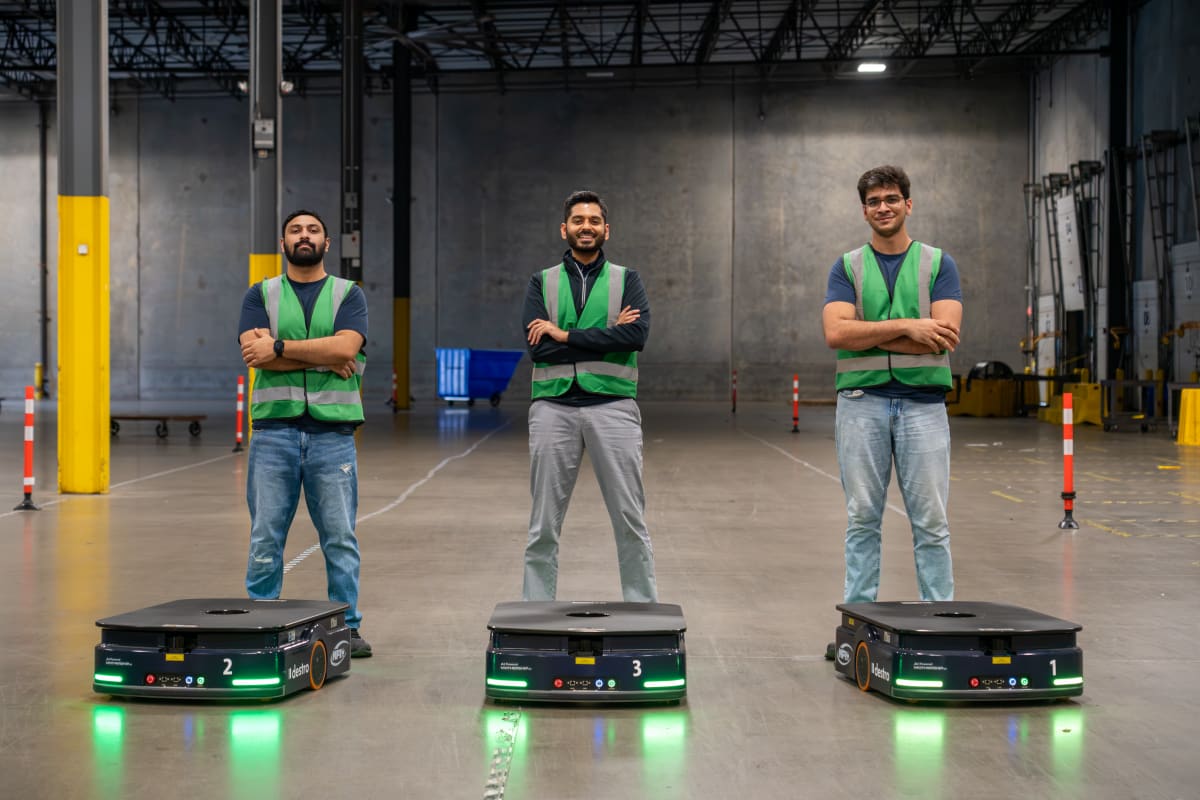
Startup Destro has emerged from stealth with $8 million in funding to focus on an AI orchestration layer for logistics. By directing both robots and human workers simultaneously, the company aims to solve the integration gaps that often hinder traditional robotics deployments.
The Shift in Robotics: Orchestration Over Hardware
Destro, a newly emerged startup, has officially exited stealth mode with an $8 million seed round, signaling a significant shift in how the industry approaches industrial automation. Unlike traditional robotics firms that prioritize the physical form factor or the mechanical dexterity of robot arms, Destro is positioning itself as a software-first entity. By focusing on an intelligence layer rather than hardware, the company is tackling the 'last mile' of integration that has historically plagued the deployment of autonomous systems in complex logistics environments.
Redefining the Robotics Value Proposition
Founder Manthan Pawar, an industry veteran, argues that the current robotics landscape is often driven by engineering curiosity—asking what a machine can do—rather than addressing the operational realities of a warehouse. Destro’s core philosophy is that the successful implementation of robotics is not synonymous with building the robot itself. By positioning the company as an intelligence platform, Destro avoids the capital-intensive and high-risk challenges associated with manufacturing, maintenance, and the supply chain bottlenecks that frequently stall hardware-focused competitors.
The Human-Robot Collaborative Model
One of the most innovative aspects of Destro’s approach is its commitment to human-robot synergy. In many modern logistics facilities, robots operate in silos, often causing friction or inefficiency when human coworkers are present. Destro’s AI intelligence layer is designed to manage both entities simultaneously. By effectively guiding human workers alongside autonomous robots, the system creates a unified workflow that optimizes throughput and minimizes the downtime that occurs when machines and humans struggle to coordinate in shared workspaces.
Broader Implications for Logistics
This trend toward 'orchestration' software indicates a maturing market for industrial automation. For years, the industry was obsessed with the 'wow factor' of robotic capabilities. Now, the focus has shifted toward reliability and the ability to integrate into existing, often legacy, warehouse infrastructure. Destro’s ability to act as the 'brain' for diverse hardware platforms allows companies to scale their automation efforts without being locked into a single proprietary hardware ecosystem.
Future Trends and Market Sustainability
As Destro continues to develop its platform, the $8 million in funding will likely be channeled into refining the AI models that govern these complex human-machine interactions. The long-term success of this model will depend on the company’s ability to prove that its software layer can deliver consistent productivity gains across various logistics settings. If proven effective, Destro’s approach could force a broader industry pivot, pushing more companies to move away from hardware-exclusive models toward platform-agnostic intelligence systems that prioritize operational efficiency above all else.