Devendra Fadnavis Celebrates Diwali With Farmers in Nagpur’s Lohari Sawanga Village
Source Entity
Latest News: Todays Latest News Headlines from India & World | Hindustan Times
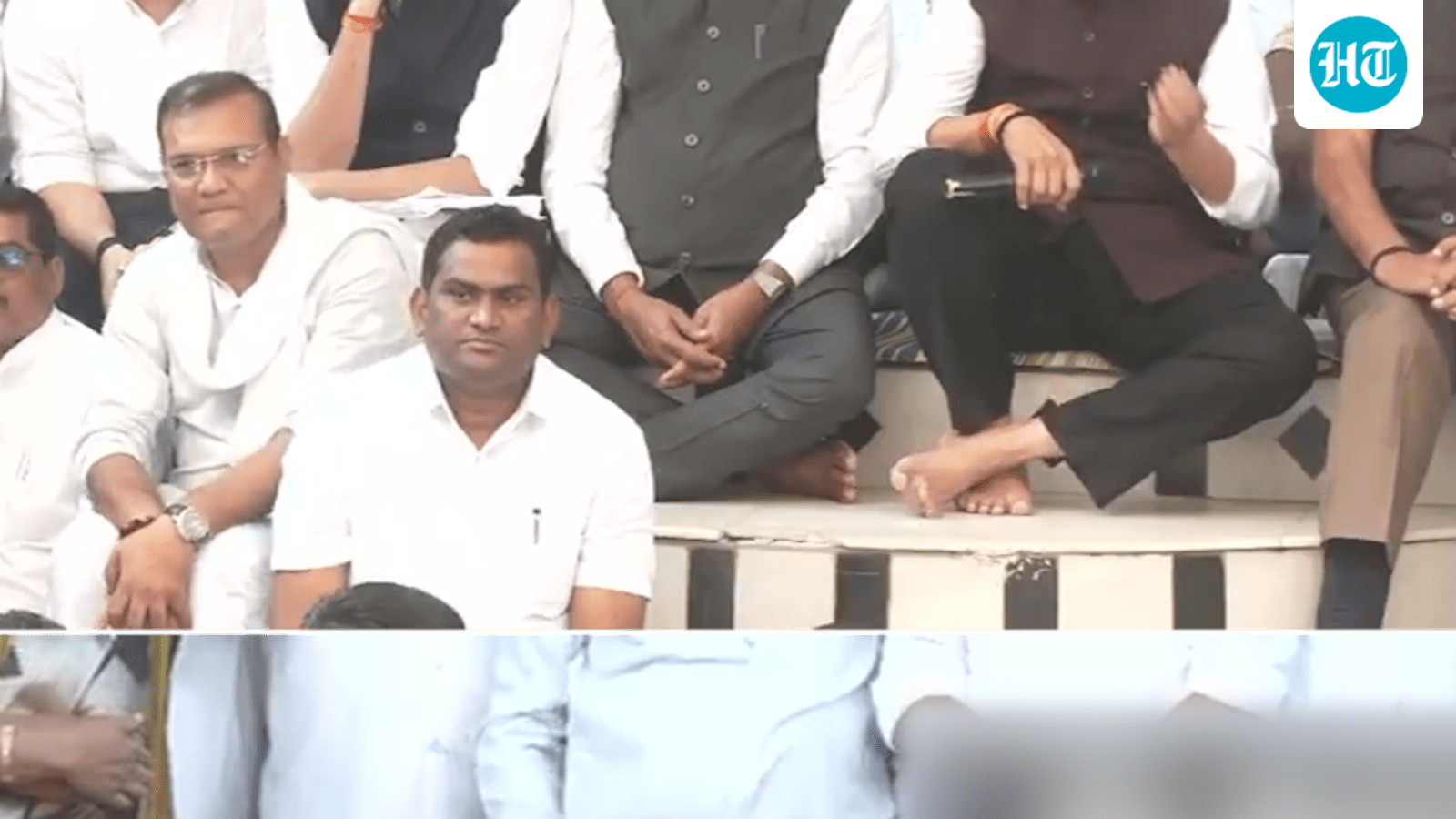
Maharashtra Chief Minister Devendra Fadnavis conducted a Diwali outreach program in Nagpur's Lohari Sawanga village. He spent the night with local farmers and engaged with regional representatives to address community concerns.
Bridging the Gap: The Political Significance of Rural Outreach
Maharashtra Chief Minister Devendra Fadnavis recently engaged in a significant grassroots outreach initiative by celebrating Diwali in Lohari Sawanga village, located in the Nagpur district. By choosing to spend the night in a rural setting rather than an urban administrative hub, the Chief Minister signaled a strategic intent to bridge the physical and emotional distance between the state government and the agrarian sector. This move serves as a symbolic gesture of solidarity with the farming community, which remains a critical demographic in Maharashtra’s socio-political landscape.
The Mechanics of Rural Engagement
The visit was structured to go beyond mere optics, involving a multi-day stay that allowed for direct interaction with the residents of Lohari Sawanga. By staying overnight, the Chief Minister was able to experience the daily environment of the village, moving away from the formal constraints of bureaucratic meetings. This immersive approach is often utilized by political leaders to gain first-hand insights into the challenges faced by rural populations, ranging from infrastructure needs to agricultural sustainability, thereby informing future policy formulation.
Dialogue with Local Governance
On the second day of his visit, Fadnavis held discussions with local elected representatives. This component of the visit highlights the importance of the Panchayati Raj system in Maharashtra. Engaging with grassroots leaders ensures that the state government’s initiatives are aligned with the specific, localized needs of the Nagpur district. Such dialogues are essential for the effective implementation of welfare schemes, as they provide a direct feedback loop between village-level administration and state-level decision-making.
Contextualizing the 'Diwali Outreach'
The timing of this visit during the Diwali festival is particularly resonant within the Indian cultural context. Diwali, being a time of celebration and family, carries significant weight when a political figure chooses to spend it with constituents rather than in a private capacity. This reflects a broader trend in Indian politics where leaders utilize festival periods to consolidate public support and demonstrate accessibility. It serves to personalize the governance process, making the administration appear more empathetic to the struggles of the common citizen.
Broader Implications for Maharashtra’s Policy
Moving forward, the success of such outreach programs is often measured by the subsequent policy actions taken by the government. The issues raised by the farmers and representatives during this stay will likely influence the regional development agenda for Nagpur. As Maharashtra continues to grapple with agricultural volatility and the need for rural development, these direct engagements provide a necessary human element to the otherwise data-driven governance model, potentially leading to more targeted support for farmers in the district.
Conclusion
In summary, Devendra Fadnavis’s visit to Lohari Sawanga is a calculated effort to strengthen the rapport between the state leadership and the rural electorate. By combining a symbolic presence with substantive discussions with local representatives, the Chief Minister has reinforced the importance of localized governance. Whether this leads to long-term systemic improvements remains to be seen, but it undoubtedly serves as a cornerstone for maintaining political stability and community trust in the region.
Verification Required?