More teeth for the aviation regulator
Source Entity
Latest News: Todays Latest News Headlines from India & World | Hindustan Times | Hindustan Times
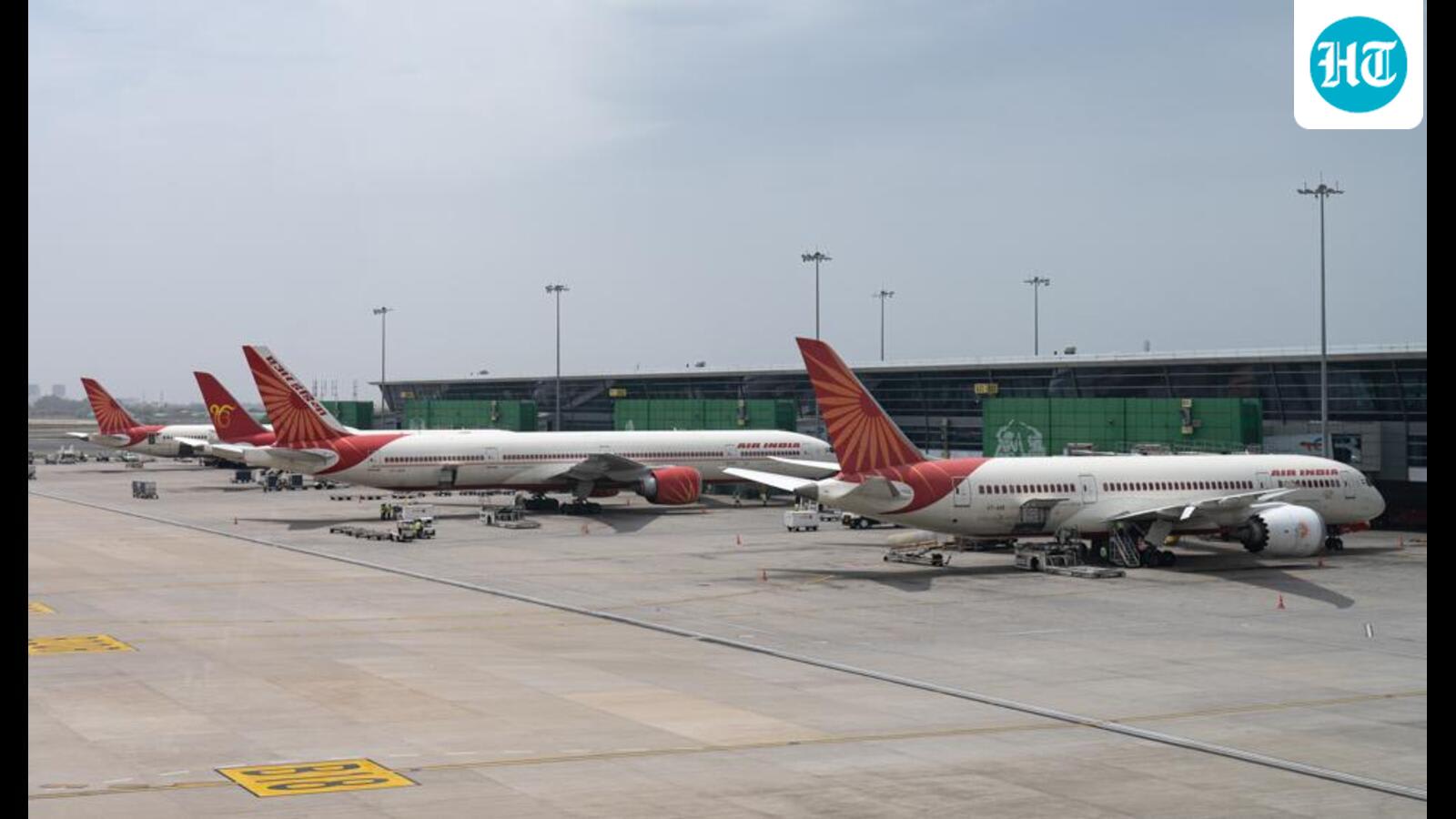
A government committee has proposed transforming the DGCA into an autonomous statutory body to address systemic safety failures. This move aims to resolve chronic staffing shortages and prevent conflicts of interest between regulators and airlines.
The Case for a Statutory Aviation Authority
A government-appointed committee has formally recommended a structural overhaul of the Directorate General of Civil Aviation (DGCA), proposing its transition into a statutory Civil Aviation Authority of India. This shift is intended to move the regulator away from its current bureaucratic constraints, granting it independent legal status, financial autonomy, and the power to manage its own recruitment processes. Such a transformation is deemed necessary to address the deep-seated inefficiencies that have plagued the aviation sector.
Addressing Systemic Failures
The impetus for this change stems from a series of high-profile safety concerns that have shaken public confidence. A parliamentary panel highlighted in March that major incidents, such as the tragic Air India crash in Ahmedabad resulting in 260 fatalities, were not merely isolated accidents but indicative of systemic failures within the oversight framework. By empowering the DGCA with statutory authority, the government hopes to create a more robust mechanism for accountability that can effectively preempt such catastrophic events.
The Crisis of Capacity and Governance
Currently, the DGCA suffers from a crippling lack of resources, with nearly half of its 1,630 sanctioned posts remaining vacant. This chronic understaffing severely limits the regulator's ability to perform consistent safety audits and enforce airworthiness standards. The transition to a statutory body would allow for dedicated funding and independent hiring, ensuring that the agency can attract and retain the technical expertise required to supervise a rapidly expanding aviation market.
Conflicts of Interest in Regulation
Beyond staffing, the proposal aims to rectify problematic governance patterns. The incident involving IndiGo’s schedule collapse last December serves as a cautionary tale; the regulator granted exemptions from crew-fatigue rules that pilots had fought for over 13 years to establish. This decision highlighted a perceived closeness between the regulator and the regulated, suggesting that the DGCA’s current structure may prioritize airline operations over passenger safety protocols.
Future Implications for Aviation Safety
If implemented, the creation of a statutory Civil Aviation Authority will represent a significant shift in the regulatory landscape. By insulating the authority from direct political and industry pressure, the new body could theoretically focus exclusively on its core mandate: passenger safety. However, the success of this transition will depend heavily on the legislative framework adopted, particularly regarding the exclusion of industry representatives from the board of directors to prevent future conflicts of interest.
Conclusion
Ultimately, the move toward a statutory authority is a recognition that the status quo is unsustainable. For the Indian aviation sector to mature and ensure the safety of its citizens, the regulator must have the legal teeth to enforce rules without compromise. The proposed reforms are a necessary step toward restoring institutional integrity and ensuring that the safety of flyers remains the primary, undisputed priority of the state.
Verification Required?