Thomas Gilcrease got 160 acres at age 9; 18 years later, it had 32 oil wells
Source Entity
TOI WORLD DESK
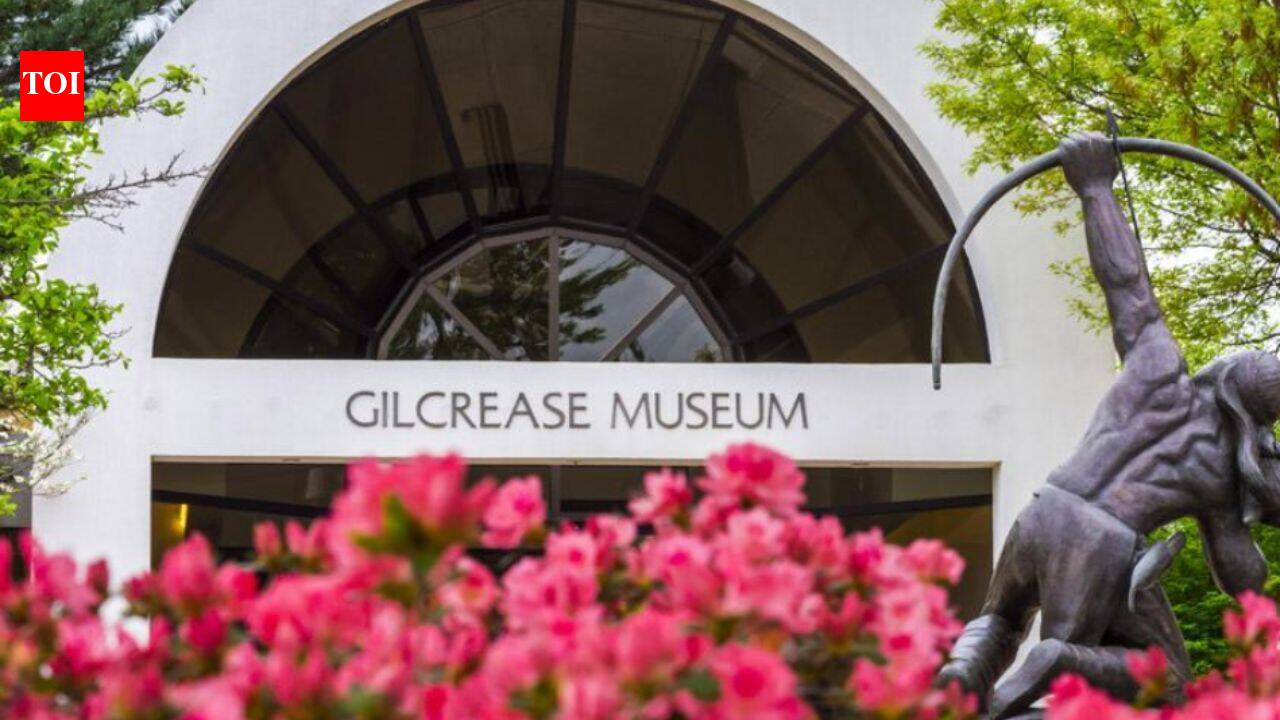
Thomas Gilcrease, a Creek tribal member, transformed oil wealth from his Oklahoma land allotment into a world-renowned collection of American Indian history and art. Despite financial setbacks leading to the city's takeover of his museum in 1955, his legacy remains preserved in Tulsa.
The Oil-Fueled Legacy of Thomas Gilcrease
The Allotment and the Rise of an Industry
In 1899, the trajectory of Thomas Gilcrease’s life—and the future of American cultural preservation—was fundamentally altered when he received a 160-acre land allotment in Oklahoma. As a member of the Creek Nation, Gilcrease was part of a federal system that distributed land to tribal members. By a stroke of geological fortune, this land was situated near what would become the prolific Glenn Pool oilfield. Following the discovery of oil in the region in 1905, the property transformed from a standard plot of land into a powerhouse of industrial production. By 1917, the presence of 32 producing oil wells on his property provided Gilcrease with the immense capital necessary to transition from a landholder to a significant player in the oil industry.
From Industrial Wealth to Cultural Patronage
Unlike many of his contemporaries who focused exclusively on industrial expansion, Gilcrease directed his newfound wealth toward a profound personal passion: the documentation and preservation of American Indian history and culture. Utilizing his earnings from the oil wells, he began assembling a vast collection of art, artifacts, and historical records. This endeavor went beyond simple acquisition; it served as a deliberate effort to protect a heritage that was frequently marginalized or erased during the rapid industrialization of the American West. His collection became a cornerstone for understanding the complex narratives of indigenous peoples in North America.
The Creation of the Gilcrease Museum
As his collection grew in scope and significance, Gilcrease established a museum in Tulsa to house these treasures. This institution was intended to be a public repository of knowledge, providing scholars and the public alike with access to a rich tapestry of American history. The museum stood as a testament to the intersection of individual prosperity and public service, reflecting a unique era in Oklahoma history where oil wealth facilitated a renaissance in cultural stewardship. The museum eventually became one of the most comprehensive institutions dedicated to the American West.
Economic Vulnerability and Institutional Transition
However, the volatility of the oil industry and the sheer cost of maintaining such a vast collection eventually caught up with Gilcrease. By 1955, facing significant financial difficulties, he was forced to relinquish control of both the museum and its contents to the City of Tulsa. This transition was a pivotal moment for the institution, as it shifted from a private, personal project to a municipal asset. While this move secured the physical safety of the collection, it marked the end of Gilcrease’s direct stewardship over the legacy he had spent decades building.
Historical Significance and Future Outlook
Today, the legacy of Thomas Gilcrease serves as a case study in how private wealth can be leveraged to create enduring public value. His story underscores the broader historical context of the Oklahoma oil boom and its impact on the Creek Nation and the state at large. As we look toward the future, the preservation of the Gilcrease collection continues to be essential for the study of American history. It reminds us that behind the industrial statistics of 32 oil wells lies a human story of cultural commitment, one that successfully bridged the gap between the extractive industries of the early 20th century and the preservation of indigenous identity for generations to come.