Mediation helps 15 couple to reunite burying differences
Source Entity
India Latest News: Top National Headlines Today & Breaking News | The Hindu
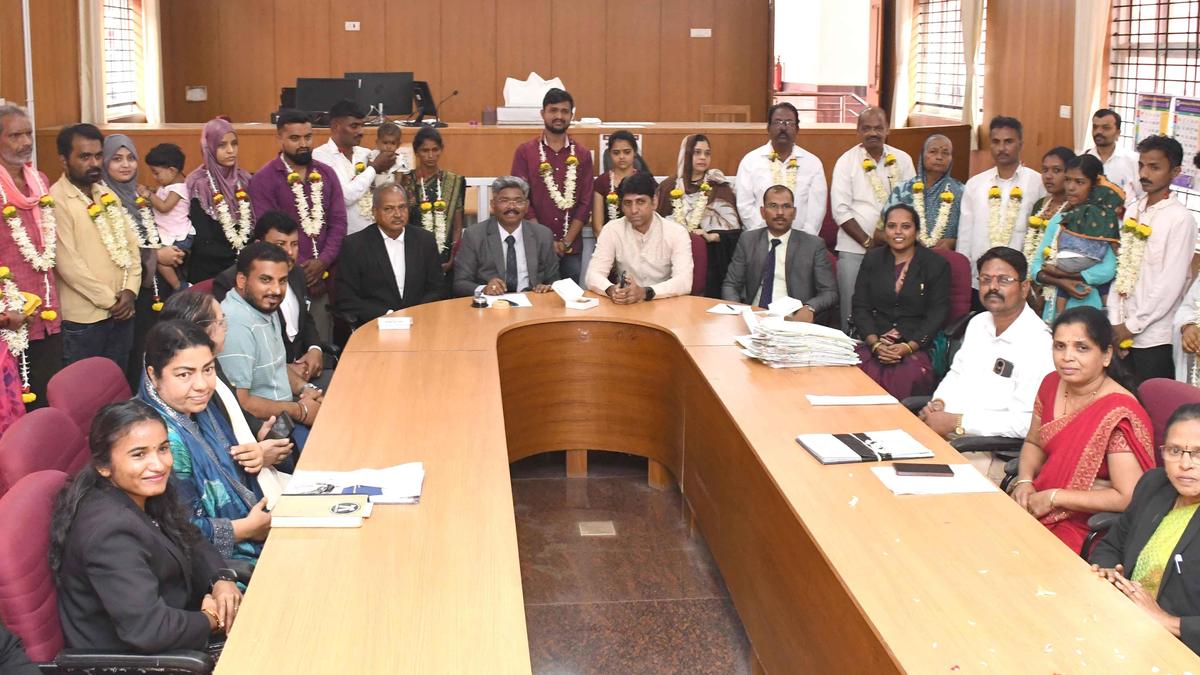
Fifteen couples reunited burying their differences during the mediation proceedings at Family court and subsequently exchanged garlands to mark their reconciliation in Dharwad
Reconciliation Through Mediation: A Success Story in Dharwad
A Milestone in Family Court Proceedings
In a heartening development within the judicial landscape of Dharwad, fifteen couples have successfully navigated the complexities of marital discord to find reconciliation. Through the structured intervention of mediation proceedings at the local Family Court, these couples were able to bury their differences and choose a path of reunification. This event highlights the growing efficacy of mediation as a tool for resolving deeply personal and sensitive domestic disputes without the need for the heavy-handedness of traditional litigation.
The Power of Alternative Dispute Resolution (ADR)
The success seen in Dharwad underscores the vital role of Alternative Dispute Resolution (ADR) in the modern legal system. Rather than proceeding with adversarial litigation, which often exacerbates emotional wounds and prolongs conflict, mediation offers a collaborative space for dialogue. In these sessions, neutral mediators assist parties in identifying core issues, facilitating communication, and finding mutually acceptable solutions. This process is crucial because it allows for a more nuanced understanding of interpersonal issues, which is often lost in the rigid structure of a courtroom trial.
Symbolic Reconciliation: The Exchange of Garlands
A notable aspect of this event was the symbolic exchange of garlands by the reunited couples. In many cultural contexts, particularly in India, the exchange of garlands serves as a profound gesture of respect, acceptance, and renewed commitment. By performing this act following the legal mediation, the couples transitioned from a state of judicial dispute to one of social and emotional harmony. This ritualistic act serves as both a public and private signal that their differences have been genuinely resolved, providing a sense of closure to the conflict.
Impact on Judicial Efficiency and Social Stability
Beyond the individual successes of these fifteen couples, such outcomes have broader implications for the judicial system and the community at large. The increasing use of mediation in Family Courts helps significantly reduce the mounting backlog of cases that often plague the legal system, allowing for a more efficient allocation of judicial resources. Furthermore, by preventing the total breakdown of family units, mediation contributes to greater social stability, which has long-term positive effects on the socio-economic health of the region.
Future Trends in Family Law and Mediation
Looking forward, the success in Dharwad suggests a continuing trend toward integrating more robust mediation processes into family law. As society recognizes the emotional and financial costs of divorce and prolonged legal battles, there will likely be increased institutional support for mediation-first approaches. This evolution could lead to a more empathetic legal system that prioritizes the restoration of relationships and the well-being of families over the mere adjudication of legal rights.
Conclusion: A Positive Model for Conflict Resolution
Ultimately, the reunification of these couples in Dharwad serves as a testament to the potential of mediation to transform conflict into cooperation. It demonstrates that with the right guidance and a willingness to communicate, even deep-seated differences can be overcome. This event stands as a positive example of how the legal system can serve not just as a venue for judgment, but as a facilitator of healing and social harmony.
Verification Required?