Indian-origin climber Dhrubajyoti Guha, Nepalese guide killed in Manaslu avalanche
Source Entity
VISHANT AGARWALA
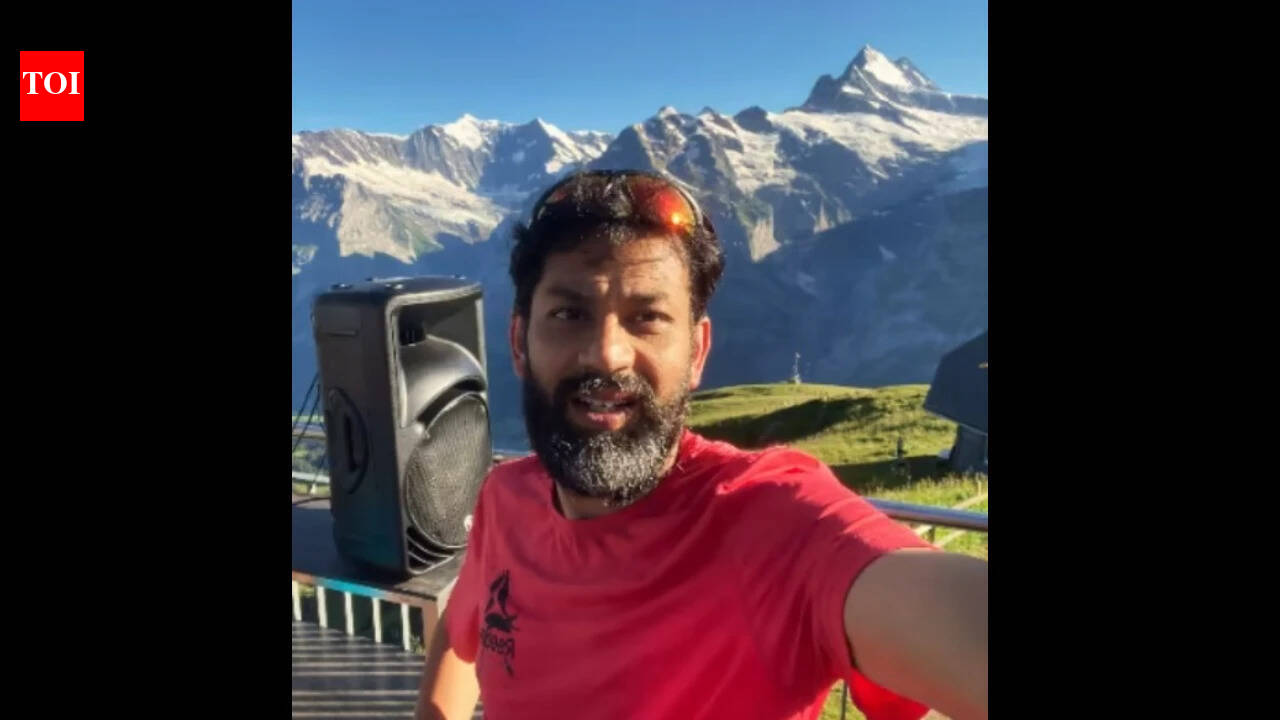
Indian-German climber Dhrubajyoti Guha and his Sherpa guide, Fursemba Sherpa, died in an avalanche on Mount Manaslu. The duo was caught in the disaster at Camp 3 after continuing their ascent despite deteriorating weather conditions.
Tragedy on Mount Manaslu: A Technical and Human Analysis
The Incident at Camp 3
In a devastating turn of events on Mount Manaslu, the world’s eighth-highest peak, an avalanche has claimed the lives of Dhrubajyoti Guha, an Indian-German climber, and his dedicated Sherpa guide, Fursemba Sherpa. The incident occurred overnight at Camp 3, an altitude known for its extreme vulnerability to shifting snow and high-altitude weather patterns. According to expedition organizers, the duo was buried under approximately seven feet of snow when their tent was struck, marking a somber addition to the autumn climbing season's death toll on the 8,163-meter peak.
The Decision-Making Process
Reports indicate that the tragedy unfolded after Guha and Fursemba Sherpa opted to continue their ascent toward the summit while six other climbers in the vicinity made the strategic decision to turn back. This divergence in decision-making highlights the inherent risks of high-altitude mountaineering, where the margin for error is razor-thin. The choice to push forward despite worsening weather conditions underscores the intense psychological pressure climbers face when nearing a goal, often referred to as 'summit fever,' which can sometimes override critical safety assessments regarding environmental hazards.
Background of the Climber
Dhrubajyoti Guha was a highly accomplished professional, having graduated with a degree in mechanical engineering from Bengal Engineering College, Shibpur (now IIEST Shibpur), in 2002. Based near Frankfurt, Germany, Guha had established a distinguished corporate career with global organizations including ABB, IBM, Pfizer, and Nestlé. His transition from a demanding corporate life to the extreme challenges of high-altitude mountaineering reflects the profound drive often found in elite climbers who seek to push their physical and mental limits in the world's most inhospitable environments.
The Role of Sherpa Guides
Fursemba Sherpa, an experienced guide hailing from Nepal’s Makalu region, was an integral part of the expedition. The death of a seasoned guide brings to light the critical, often understated, role that Sherpa professionals play in the success and safety of international climbing expeditions. Their expertise is typically the backbone of any Himalayan climb, yet they remain exposed to the same environmental dangers as the clients they lead. Their loss is felt deeply within the mountaineering community, emphasizing the shared risks inherent in every ascent.
Broader Implications for Himalayan Climbing
Mount Manaslu has increasingly become a focal point for autumn expeditions, but the mountain’s geography and tendency for snow instability present recurring challenges. This incident serves as a stark reminder of the unpredictable nature of the Himalayas. As climate patterns continue to fluctuate, resulting in more frequent and severe weather events, the mountaineering industry faces mounting pressure to improve real-time weather forecasting and safety protocols at high-altitude camps to prevent similar tragedies in the future.
Conclusion
As rescue teams finalize their recovery operations, the climbing community is left to reflect on the loss of two lives committed to the pursuit of the summit. The tragedy on Manaslu is a somber testament to the raw power of nature and the heavy price of the risks undertaken in the world's highest altitudes. The focus now shifts to honoring the victims and reviewing safety standards for future expeditions to ensure that such risks are mitigated with the utmost care and professional judgment.