Trump Says Russia, Ukraine Are Going To 'Make A Deal' Soon
Source Entity
NDTV News Search Records Found 1000
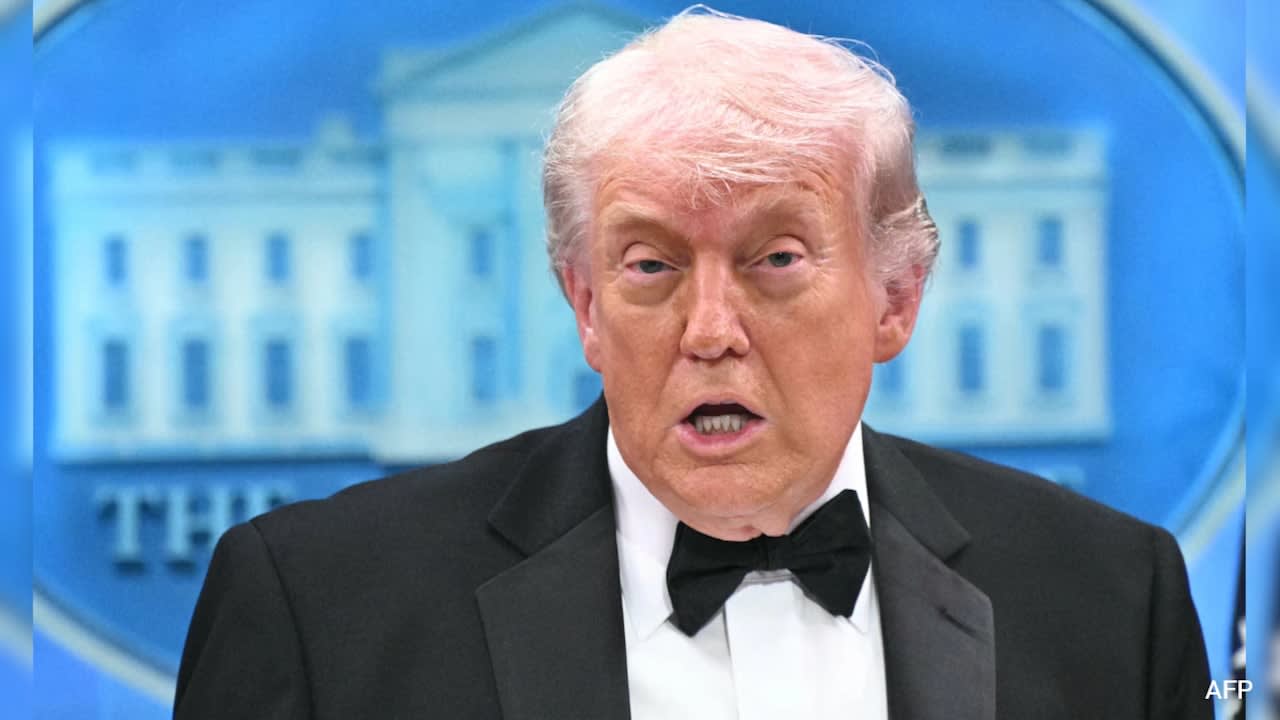
Donald Trump has expressed optimism regarding potential diplomatic deals with both Russia and Iran, while simultaneously maintaining a firm stance on military threats. These statements reflect a dual-track strategy of balancing aggressive posturing with the pursuit of high-stakes negotiations.
The Diplomatic Strategy of Donald Trump: Analyzing Recent Foreign Policy Shifts
Recent statements from Donald Trump indicate a pivot toward a high-stakes negotiation strategy regarding two of the most volatile geopolitical theaters: the ongoing conflict between Russia and Ukraine, and the long-standing tensions with Iran. Trump has publicly suggested that both sides in the Russia-Ukraine conflict are nearing a point where they are motivated to reach a deal to end hostilities. This rhetoric underscores a belief in leverage-based diplomacy, where the exhaustion of conflict serves as a catalyst for a negotiated settlement.
The Iran Dilemma: Between Annihilation and Agreement
At the United Nations General Assembly (UNGA), Trump articulated a stark dichotomy regarding Iran, framing his policy as a choice between "a deal" and "annihilation." By explicitly threatening to destroy the Islamic Republic if it refuses to comply with US demands regarding its nuclear program, Trump is utilizing the global stage to amplify the perceived cost of non-compliance. This approach is consistent with his administration's use of "maximum pressure" tactics to force adversaries to the negotiating table.
The Dual-Track Approach to Global Conflict
Trump’s UNGA address highlighted a complex balancing act: defending the US war efforts while simultaneously positioning himself as a leader capable of securing peace through diplomacy. This strategy suggests that the administration views military threat as an essential prerequisite for effective negotiation. By setting a timeline—suggesting that a deal with Iran could materialize following the midterm elections—the President is attempting to manage domestic political optics alongside international security interests.
Geopolitical Repercussions and Diplomatic Friction
The intensity of this rhetoric has led to immediate diplomatic friction, evidenced by the Iranian delegation walking out during the President’s UNGA address. This reaction highlights the difficulty in maintaining open channels of communication when the primary narrative involves existential threats. While Iran has signaled some openness to potential negotiations, the gap between the administration's demand for total compliance and Tehran's strategic autonomy remains significant.
Assessing Future Trends in US Foreign Policy
Looking ahead, the success of these initiatives hinges on whether adversaries perceive the threat of "annihilation" as a credible reality or merely a rhetorical device. If the administration continues to link military posturing with the promise of a future deal, the global community may see a period of increased volatility followed by either sudden diplomatic breakthroughs or further escalation. The reliance on midterm election cycles as a benchmark for progress suggests that US domestic political considerations will continue to play a pivotal role in shaping international outcomes.
Verification Required?