Record diesel prices are exposing pain points in the stock market and economy
Source Entity
Claudia Assis
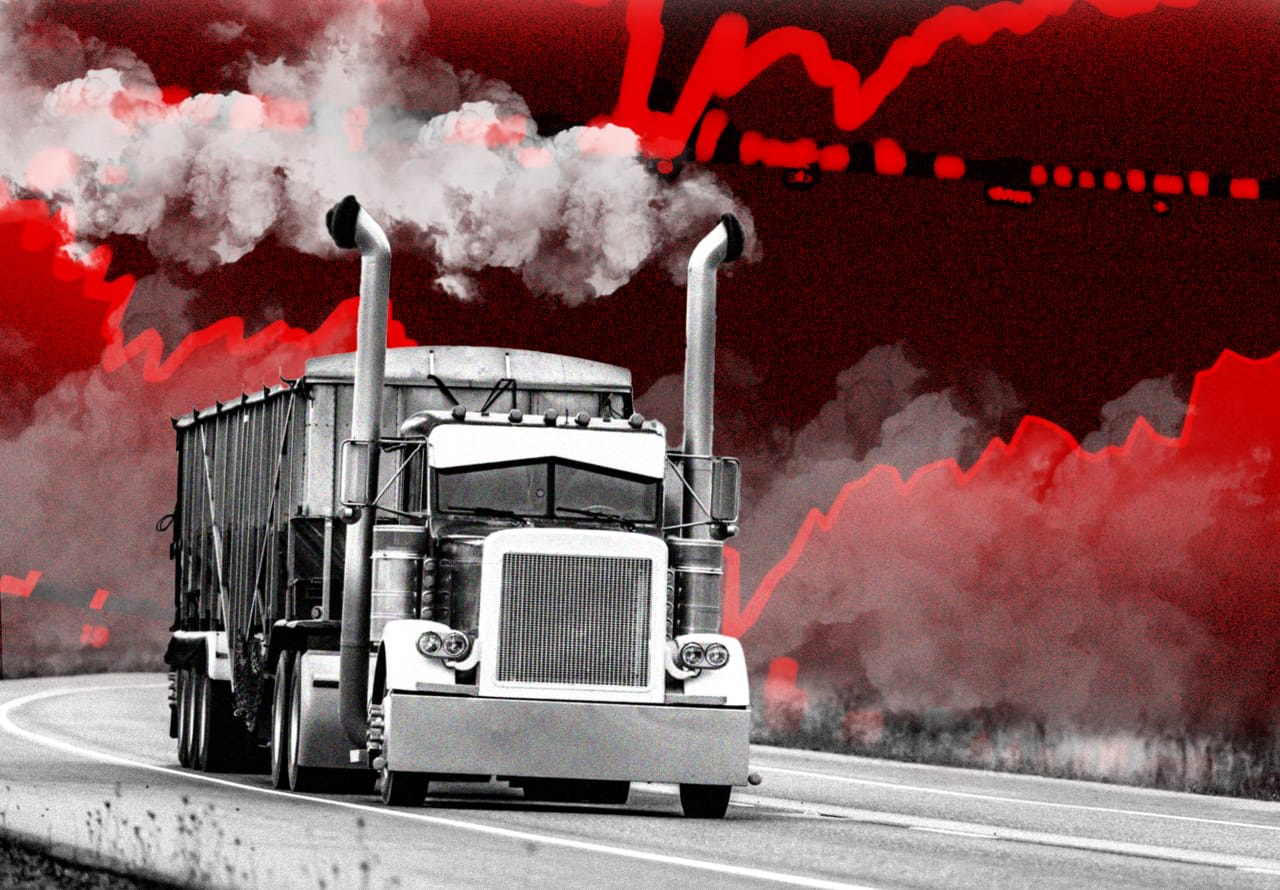
Record-high diesel prices are fueling inflationary pressures and threatening economic stability. Geopolitical conflicts in key transit regions are exacerbating supply chain constraints and driving costs upward.
The Economic Ripple Effect of Soaring Diesel Prices
Recent market data highlights a critical economic vulnerability as diesel prices reach record levels, averaging $6.45 per gallon nationally and exceeding $8.39 in California. This surge is not merely a localized inconvenience for vehicle owners; it represents a systemic risk to the broader economy. As diesel serves as the primary fuel for heavy-duty trucking, shipping, and industrial machinery, these costs act as a hidden tax on the entire supply chain.
Geopolitical Instability and Supply Constraints
The current price volatility is deeply rooted in global geopolitical instability. Disruptions affecting Russian refineries, combined with heightened tensions in the Strait of Hormuz and the Red Sea, have created a bottleneck in global fuel distribution. These maritime chokepoints are essential conduits for energy transit, and any interference leads to immediate supply shocks that translate into higher prices at the pump for both businesses and consumers.
The Inflationary Feedback Loop
Experts note that the primary risk to the stock market and the economy at large is that these elevated fuel costs will persist. Because diesel is essential for the transportation of goods, high prices inevitably lead to increased logistics costs, which are then passed down to the end consumer. This creates a sustained upward pressure on inflation, complicating the efforts of central banks to stabilize the economy and maintain purchasing power.
Beyond the Pump: The 'Diesel Season' Impact
The onset of what analysts term 'Diesel Season' further complicates the outlook. During this period, demand often peaks, and with existing supply chains already strained by conflict, there is little room for price relief. Tom Kloza of Gulf Oil notes that these costs 'hit everyone,' impacting the operational margins of companies across sectors, from manufacturing to retail, which in turn reflects in stock market performance.
Future Outlook and Economic Resilience
Looking forward, the persistence of these high prices suggests a challenging fiscal environment. Unless there is a de-escalation in the affected geopolitical regions or a significant shift in energy logistics, businesses will continue to face compressed margins. Investors and policymakers remain on high alert, as the interplay between fuel costs and inflation remains one of the most significant headwinds to sustained economic growth in the current cycle.
Verification Required?