Digitising disenfranchisement: How IT systems and opaque orders are endangering the right to vote
Source Entity
Malavika Raghavan
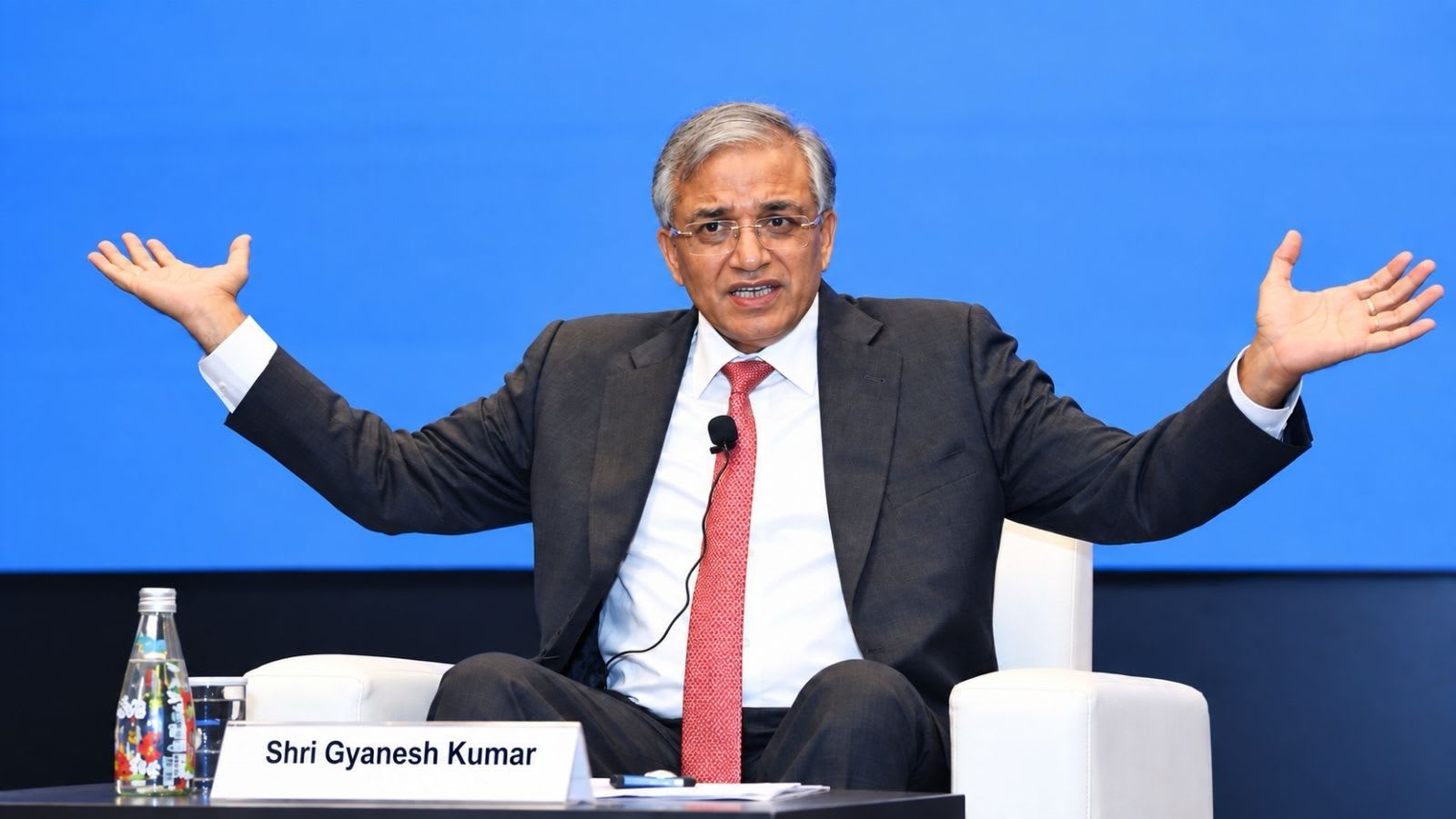
Recent reports highlight concerns over the Election Commission of India's use of the ECINET system to implement unauthorized changes to electoral processes. These digital interventions threaten voter accountability and transparency, raising fears of systemic disenfranchisement.
The Erosion of Electoral Transparency Through Digital Means
Recent revelations concerning the Election Commission of India (ECI) have ignited a critical debate regarding the intersection of technology and democratic integrity. The core issue centers on the ECI’s internal technology infrastructure, specifically the ECINET system, which has allegedly been utilized to implement unilateral and unauthorized modifications to the electoral process. These actions, performed outside the established legal framework, pose a significant challenge to the constitutional right to vote and the transparency expected of a public institution.
The Opacity of Algorithmic Governance
The fundamental concern lies in the transition from traditional, contestable bureaucratic processes to opaque, digital-first systems. By embedding policy changes directly into the ECINET architecture, the ECI has effectively shielded its decision-making process from public scrutiny. When governance becomes digitized, the lack of an audit trail or a clear legal mandate for system updates transforms the voting process into a 'black box.' This lack of visibility makes it nearly impossible for citizens or civil society organizations to challenge administrative errors or systemic biases effectively.
Accountability in the Digital Age
Historically, the digitization of government services was sold to the public as a mechanism for increased accountability and efficiency. However, the current situation suggests an inverse outcome: 'autocratic digitization.' When technology systems are deployed to bypass statutory requirements, they serve to consolidate power rather than distribute it. This shift undermines the democratic principle that the mechanisms of an election must be transparent, inclusive, and subject to constant public oversight.
The Risk of Systemic Disenfranchisement
The potential for disenfranchisement through digital means is a growing concern for modern democracies. By making unauthorized changes to the electoral backbone, the ECI risks creating barriers that are invisible to the average voter. If the systems governing voter rolls or electoral integrity are prone to unvetted updates, the risk of accidental or intentional exclusion increases significantly. This necessitates a robust demand for an audit of how these systems are governed and who holds the authority to alter their underlying logic.
Future Trends and Necessary Reforms
Moving forward, the relationship between technological infrastructure and election management must be redefined. To restore trust, there is a pressing need for a framework that mandates public consultation and legislative approval for any changes to critical electoral systems. Without such checks, the digital infrastructure meant to facilitate the democratic process may instead become a tool for its subversion. The future of Indian democracy depends on ensuring that technology serves the voter, not the institution managing it.