‘Gyanesh must quit right away': Opposition backs Justice Bhuyan’s SIR remark
Source Entity
PRIYANKA JAISWAL
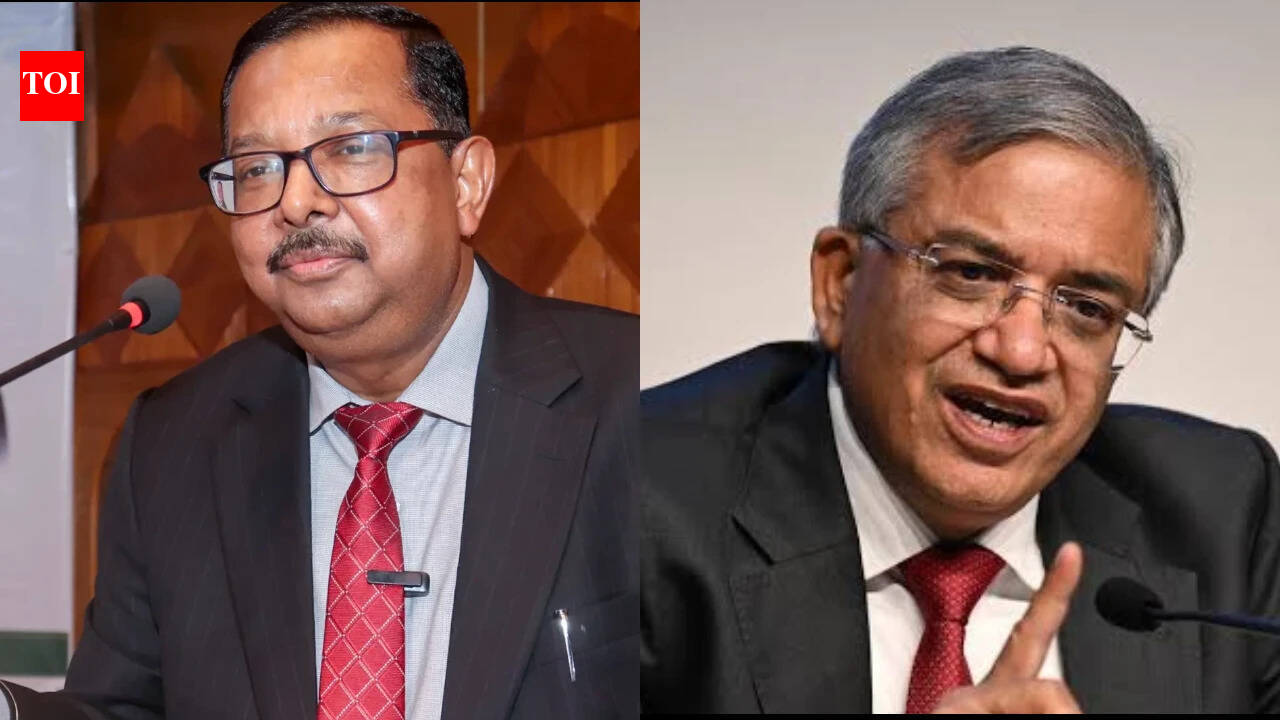
Supreme Court Justice Ujjal Bhuyan faces backlash and political support following his critical remarks on the Election Commission's electoral roll revisions. The controversy highlights a sharp divide over judicial propriety regarding matters currently sub judice.
The Judicial-Political Clash Over Electoral Integrity
The Indian legal and political landscape is currently witnessing a significant controversy following remarks made by Supreme Court Justice Ujjal Bhuyan. During an event in Hyderabad, Justice Bhuyan addressed the sensitive issue of voting rights and the potential disenfranchisement of citizens, specifically referencing the Special Intensive Revision (SIR) of electoral rolls. His comments have ignited a fierce debate that pits judicial independence against the norms of judicial restraint.
Political Polarization and Support
The opposition, led by Congress leader Jairam Ramesh and Trinamool Congress MP Mahua Moitra, has moved quickly to capitalize on Justice Bhuyan’s stance. By sharing clips of his speech on social media, these leaders have framed the Justice's remarks as a validation of their concerns regarding the Election Commission of India (ECI). Specifically, Jairam Ramesh has called for the resignation of Chief Election Commissioner Gyanesh Kumar, arguing that the judge’s critique has exposed systemic failures within the commission's current leadership.
The Doctrine of Sub Judice and Judicial Propriety
Conversely, the backlash from within the legal fraternity has been swift and severe. Former Chief Justice of India BR Gavai and other retired jurists, including SN Dhingra and RS Sodhi, have condemned the remarks. Their primary contention rests on the principle of sub judice, which dictates that judges should refrain from commenting on issues currently pending before the courts. They argue that Justice Bhuyan’s public critique of the Election Commission undermines judicial propriety and risks politicizing the bench.
The Broader Implications for Election Oversight
The core of this dispute lies in the Special Intensive Revision (SIR) of electoral rolls, a process critical to ensuring the integrity of the democratic process. When a sitting Supreme Court judge critiques the administrative handling of these rolls, it invites public scrutiny into whether the ECI is operating with sufficient transparency. This event underscores the growing tension between the judiciary’s role as the protector of constitutional rights and the executive-appointed nature of election oversight bodies.
Historical Context and Future Trends
Historically, the Indian judiciary has maintained a delicate balance between activism and restraint. This incident marks a rare moment where a sitting judge’s public discourse has become a focal point for political agitation. Looking forward, this clash may prompt a re-evaluation of the code of conduct for sitting judges regarding public appearances. It also signals that the electoral roll revision process will likely remain a contentious battleground in future litigation, as the judiciary continues to grapple with its own internal standards of engagement in public policy debates.
Conclusion
Ultimately, the controversy surrounding Justice Bhuyan reflects a deeper institutional friction. While his supporters view his remarks as a necessary defense of citizen disenfranchisement, his critics emphasize the danger of blurring the lines between judicial duties and political commentary. As the matter continues to unfold, the judiciary will face increased pressure to clarify the boundaries of speech for its members, ensuring that the sanctity of the court remains untarnished by partisan political narratives.