Dosanjh barred from singing 4 songs at Indore concert amid child safety concerns
Source Entity
VRITI JAIN
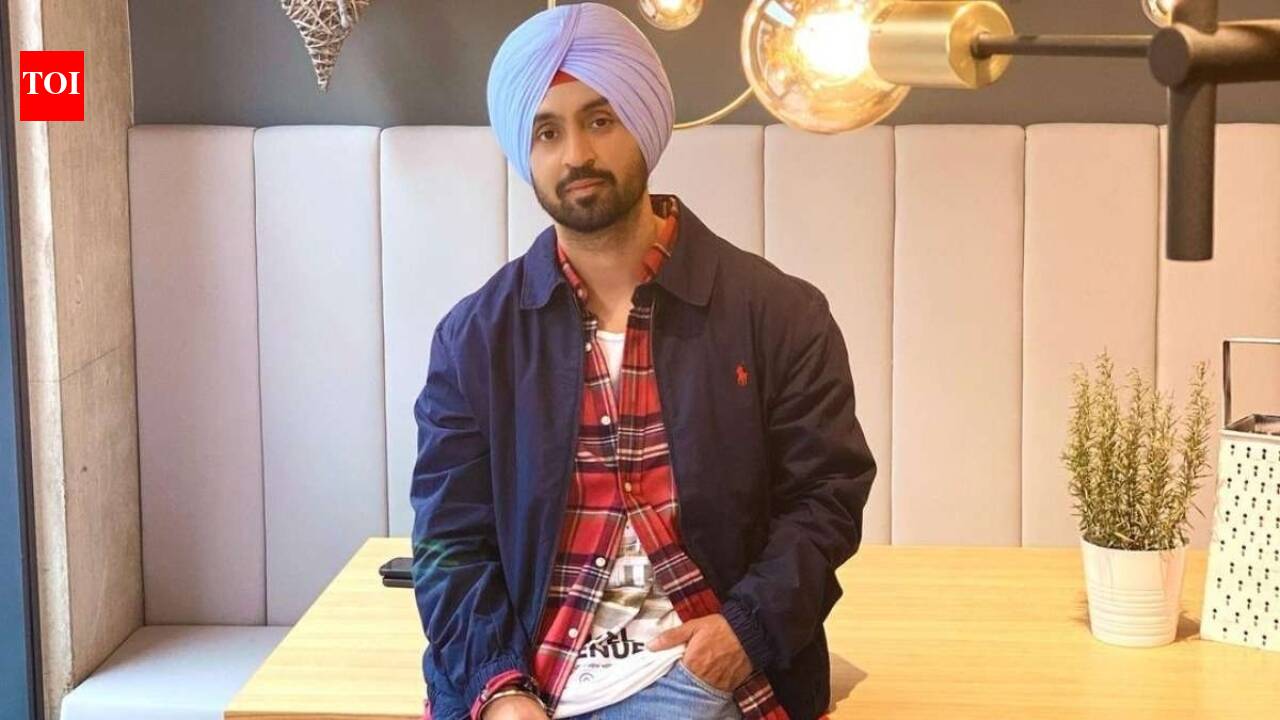
Diljit Dosanjh has been restricted from performing four specific songs at his Indore concert due to concerns over references to alcohol, drugs, and violence. The District Child Protection Officer issued the directive following a complaint to ensure child safety during the event.
Regulatory Intervention at the Indore Concert
Diljit Dosanjh, a globally acclaimed artist currently touring India as part of his 'Aura India Tour,' faces a unique regulatory hurdle regarding his upcoming November 15 performance in Indore. Local authorities, specifically the District Child Protection Officer, have issued a formal directive prohibiting the singer from performing four specific tracks: “Patiala Peg”, “5 Tara Theke”, “Jeb Vicho Feem”, and “Jatt Fire Karda.” This intervention follows a formal complaint lodged by Chandigarh-based activist Dr. Punditrao Dharenavar, who raised concerns about the potential influence of these lyrical themes on younger audiences.
The Legal and Ethical Basis for the Ban
The restriction is anchored in concerns regarding the promotion of alcohol, narcotics, and violence. Authorities cited a 2019 Punjab and Haryana High Court order as a guiding precedent for this decision. By focusing on the potential impact on children attending the live show, the District Child Protection Officer is exercising a duty of care to ensure that public performances align with community standards regarding the exposure of minors to content that glorifies or normalizes substance abuse and aggressive behavior.
Contextualizing the 'Aura India Tour'
This development comes amidst a high-profile national tour that has seen Dosanjh perform in major metropolitan hubs, including Delhi. The scale of the 'Aura India Tour' reflects the immense popularity of the artist, whose music often blends traditional Punjabi motifs with contemporary pop production. However, as the scale of these concerts grows, so does the scrutiny regarding the lyrical content, particularly in regions where local administrations are increasingly proactive in enforcing child protection guidelines in public spaces.
The Role of Public Advocacy
The involvement of Dr. Punditrao Dharenavar highlights the growing trend of public interest litigation and community-led activism in the Indian entertainment sector. By proactively engaging with district officials, the complainant has successfully triggered a review of the concert's setlist. This reflects a broader societal shift where cultural consumption is being weighed against public health and safety concerns, forcing artists and event organizers to navigate complex administrative landscapes.
Future Implications for Live Entertainment
This incident serves as a significant case study for the live music industry in India. Organizers of large-scale tours must now anticipate increased regulatory oversight regarding repertoire and stage content. Future trends suggest that artists may need to conduct rigorous impact assessments of their setlists before touring in diverse jurisdictions to avoid last-minute modifications. The balance between artistic expression and the responsibility of protecting minors remains a contentious issue that will likely shape future concert contracts and local permitting processes.
Conclusion
The banning of these four songs in Indore underscores the tension between mainstream entertainment and the strict regulatory frameworks designed to protect children. While Diljit Dosanjh continues his tour, the incident highlights the necessity for artists to remain cognizant of local legal precedents and the evolving social expectations regarding lyrical content. As the 'Aura India Tour' continues, it remains to be seen if other regions will adopt similar measures or if this remains an isolated administrative action.