Direct train between Gujarat and Katra flagged off, move to benefit lakhs of Vaishno Devi pilgrims
Source Entity
Arun Sharma
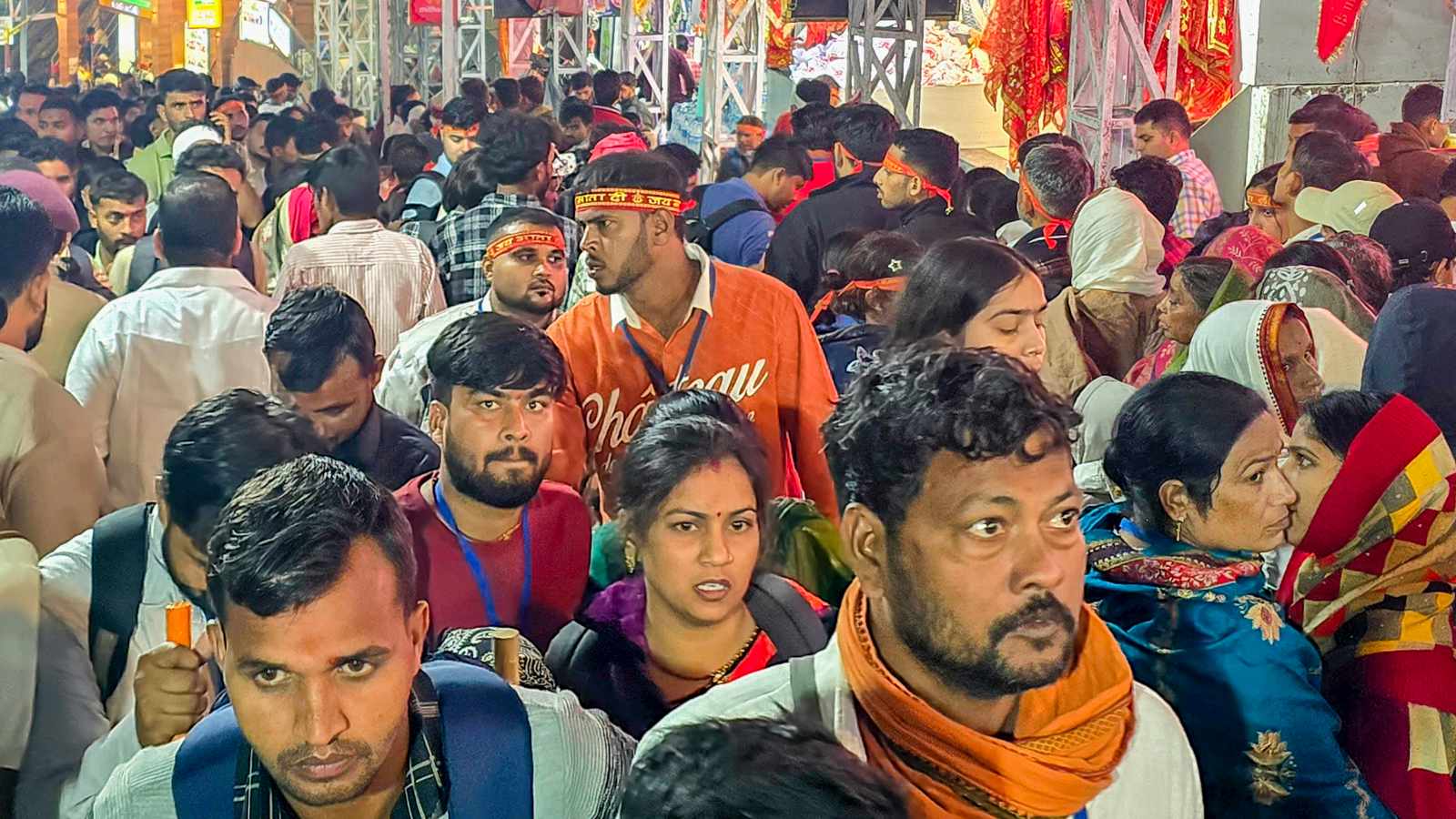
Indian Railways has launched a direct train service connecting Sabarmati, Gujarat, to the Vaishno Devi base camp in Katra, Jammu and Kashmir. This new route aims to significantly improve accessibility for lakhs of pilgrims traveling between the two regions.
Enhancing Connectivity to the Vaishno Devi Shrine
The introduction of a direct train service between Sabarmati, Gujarat, and Katra, Jammu and Kashmir, represents a significant logistical milestone for Indian Railways. By connecting these two geographically distant hubs, the service specifically addresses the travel needs of the massive influx of pilgrims who visit the Shri Mata Vaishno Devi shrine annually. This move is designed to simplify what has historically been a complex travel itinerary for devotees residing in Western India.
Operational Details and Schedule
According to the official announcement, train No. 19223 departed from Sabarmati at 10:27 AM on Sunday, with an scheduled arrival in Katra at 6:55 PM the following day. The return leg, operating as train No. 19224, is set to commence daily service from October 20, departing Katra at 4:50 AM and reaching Sabarmati by 2:05 PM. This structured schedule provides a reliable, time-bound transit option for passengers, reducing the dependency on multi-leg journeys.
The Strategic Importance of Katra
Katra serves as the essential base camp for the trek to the Trikuta Hills, where the sacred Vaishno Devi shrine is located. As the primary gateway for pilgrims, the infrastructure surrounding Katra is critical to the spiritual tourism ecosystem of the Jammu region. By establishing a direct link from a major commercial hub like Gujarat, the Indian Railways is effectively integrating religious tourism infrastructure with national transit corridors.
Broader Implications for Religious Tourism
India’s railway network remains the backbone of domestic tourism. Facilitating direct access to remote pilgrimage sites like those in the Reasi district encourages higher participation from distant states. This development not only benefits the pilgrims in terms of convenience and cost-effectiveness but also stimulates local economic growth in Katra, which relies heavily on the constant flow of visitors.
Future Trends and Connectivity
Looking ahead, this initiative reflects a broader trend of expanding rail connectivity to Northern India’s religious circuits. As the government continues to modernize the rail network, the focus on 'pilgrim-centric' routes is likely to increase. By streamlining transit from states like Gujarat—a state with a high volume of frequent travelers—the railways are optimizing their capacity and responding directly to the high demand for spiritual tourism mobility.
Conclusion
The establishment of this direct rail link is a prudent operational decision that highlights the commitment of Indian Railways to accessibility. By bridging the distance between Gujarat and the Trikuta Hills, the service provides lakhs of devotees with a safer, more efficient, and comfortable travel experience, ultimately strengthening the connectivity infrastructure of the Jammu and Kashmir region.