‘UP is my karmabhoomi’: Former IAS officer Divya Mittal announces political entry
Source Entity
ARVIND CHAUHAN
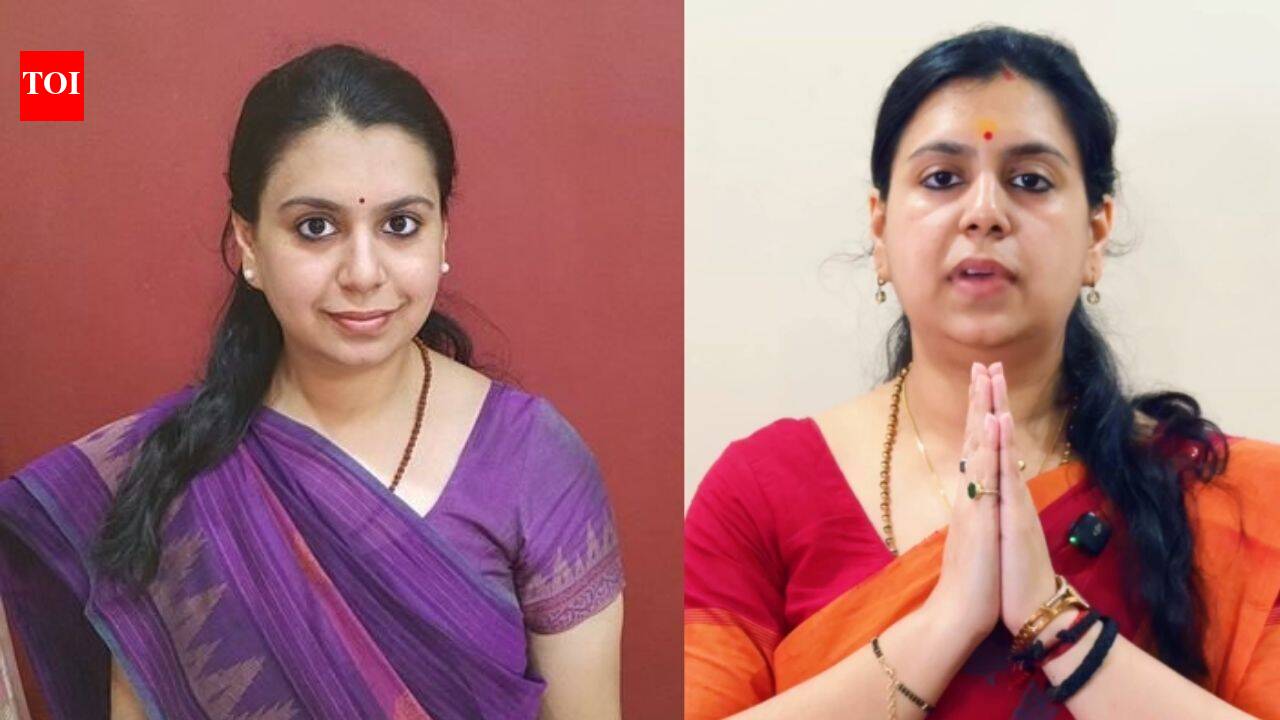
Former IAS officer Divya Mittal has announced her entry into independent politics in Uttar Pradesh. She plans to focus on systemic governance issues, including infrastructure, employment, and examination security.
Transitioning from Bureaucracy to Ballot: Divya Mittal's Political Entry
Former IAS officer Divya Mittal has officially declared her entry into the political arena, marking a significant transition from civil service to independent political activism. By choosing Uttar Pradesh as her "karmabhoomi" (land of duty), she is positioning herself to engage directly with the complex socio-political fabric of India's most populous state. This move signals a growing trend of career bureaucrats leveraging their administrative expertise to address systemic gaps that they previously operated within.
Addressing Systemic Governance Gaps
Mittal’s platform is rooted in the critique of existing governance frameworks, specifically highlighting persistent issues such as infrastructure decay, water management, and land disputes. Her transition suggests an intent to move beyond the constraints of administrative roles, which often limit the scope of policy implementation to executive directives. By operating independently, she aims to challenge the status quo and address the "lack of governmental intent" she perceives as the root cause of unresolved public grievances.
Tackling the Crisis of Employment and Integrity
A critical pillar of her proposed agenda is the issue of examination paper leaks, a recurring problem that has historically destabilized the morale of youth in Uttar Pradesh. By prioritizing this issue, Mittal is tapping into a potent area of public concern, seeking to provide a platform for those disenfranchised by systemic inefficiencies. Her focus on employment underscores the necessity of aligning public policy with the aspirations of the younger demographic, who are often the most affected by administrative lapses.
The Challenge of Independent Politics
The choice to pursue an "independent, people-driven platform" is both ambitious and fraught with challenges in a political landscape dominated by established parties. Historically, independent candidates in India face significant hurdles in mobilizing resources and building grassroots networks. Mittal’s success will likely depend on her ability to translate her administrative reputation into a cohesive political movement that can sustain long-term engagement.
A Call for Collective Participation
Central to her message is the emphasis on collective public participation, suggesting that she views the solution to regional problems as a collaborative effort rather than a top-down mandate. By inviting citizens to be active participants in her political journey, she is attempting to shift the dynamic of accountability in Uttar Pradesh. This approach aims to bridge the gap between the governed and those who govern, potentially creating a new template for local political mobilization.
Future Implications and Outlook
As Mittal embarks on this new chapter, the political landscape of Uttar Pradesh will be watching to see how her administrative background influences her political rhetoric and strategy. If she can successfully articulate a roadmap for addressing the structural issues she has identified, she may catalyze a shift toward issues-based politics. Her journey will serve as a litmus test for whether a technocratic approach can gain traction against the entrenched political machinery of the region.