MK Stalin Announces Massive Reboot For "Comeback Specialist" DMK In Tamil Nadu
Source Entity
NDTV News Search Records Found 1000
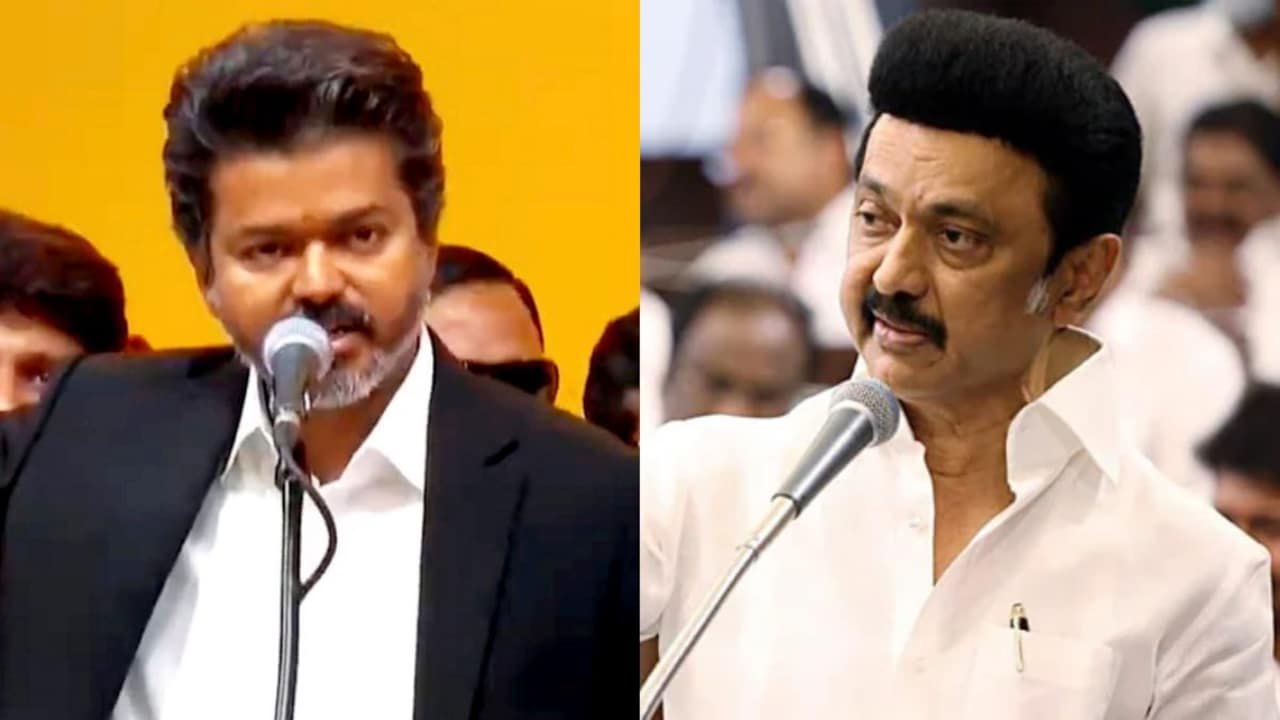
DMK president M.K. Stalin has announced a sweeping organizational overhaul, including age limits and term caps, following the party's defeat in the recent Tamil Nadu assembly elections. Stalin described these stringent reforms as 'bitter medicine' necessary to revitalize the party for the coming century.
A Defining Moment for the DMK
In a significant pivot following the recent Tamil Nadu assembly elections, where the Dravida Munnetra Kazhagam (DMK) faced a notable defeat at the hands of the TVK, party president M.K. Stalin has initiated a comprehensive structural reboot. The high-level executive committee recently adopted nine resolutions aimed at a deep organizational overhaul, signaling that the party is entering a phase of introspection and radical reform to regain its political dominance.
Acknowledging Institutional Failure
At the core of Stalin’s address to the executive committee was an admission of internal shortcomings. Stalin candidly stated that while there were multifarious reasons for the election loss, the performance of specific functionaries played a critical role. By emphasizing that the organization often suffers due to the actions of individuals, Stalin is shifting the focus toward institutional accountability, forcing party members to confront the reality that local-level inefficiency has broader electoral consequences.
The 'Bitter Medicine' Strategy
Stalin characterized the proposed reforms—which include the implementation of age limits and a two-term cap for positions—as "bitter medicine." In the context of political party management, such measures are often met with internal resistance as they threaten the status quo and the influence of established power brokers. However, Stalin argues that this short-term discomfort is essential for the long-term health and vibrancy of the party, framing the changes as a strategic necessity to ensure the DMK remains relevant for the next century.
Structural Overhaul and Meritocracy
By introducing term limits and age-related constraints, the DMK is clearly attempting to prevent the stagnation that often plagues legacy political organizations. These "stringent" measures suggest a move toward a more meritocratic structure, designed to cycle out underperforming functionaries and create space for younger or more effective leadership. This shift is a direct response to the electoral setback, reflecting a desire to move away from personality-driven politics that may have alienated voters in the latest cycle.
Long-Term Implications for Tamil Nadu Politics
The defeat by the TVK has clearly served as a catalyst for this "massive reboot." As a self-described "comeback specialist," the DMK is leveraging this period of crisis to shed inefficient layers of its hierarchy. If successfully implemented, these changes could fundamentally alter the power dynamics within the party, potentially silencing internal dissent while sharpening the organization's focus on the grassroots level. The success of this endeavor will depend entirely on the party's ability to maintain unity while enduring the "bitter" transition phase.
Conclusion: The Path Forward
Ultimately, the DMK’s decision to adopt these nine resolutions represents a high-stakes gamble. By openly acknowledging mistakes and forcing a systemic change, Stalin is attempting to insulate the party from the erosion of its traditional support base. Whether this "bitter medicine" will restore the DMK to its former electoral heights or cause deeper fractures remains to be seen, but the intent to modernize the party’s organizational DNA is clear.
Multiple Citing Sources
Verification Required?