Dollar Little Changed Ahead of FOMC Meeting Results
Source Entity
Yahoo Finance
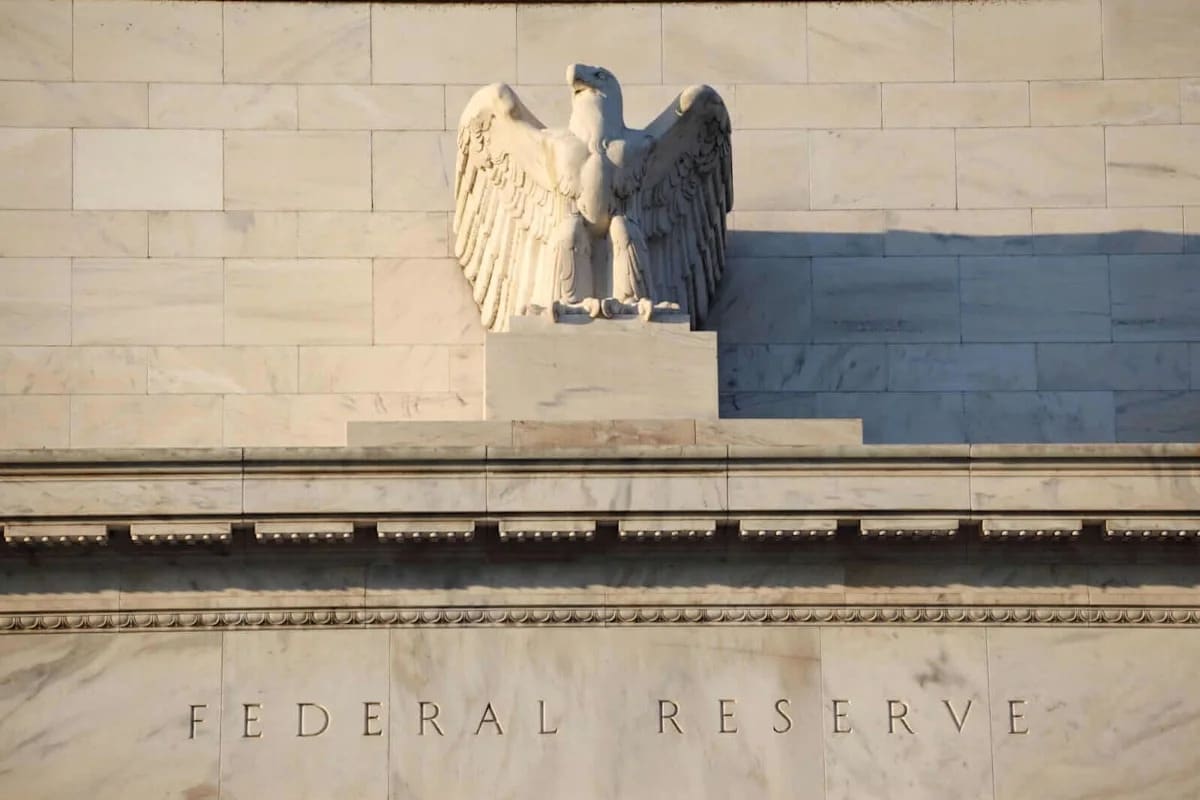
The US dollar remains stable as markets await the FOMC interest rate decision. Rising geopolitical tensions in the Middle East, specifically oil price surges following an IRGC attack, are complicating the Federal Reserve's inflation outlook.
Market Stability Amid Geopolitical Volatility
The global financial landscape is currently navigating a period of heightened uncertainty as the US dollar index (DXY00) remains nearly flat, reflecting a marginal -0.02% shift. This stagnation occurs at a critical juncture where macroeconomic policy meetings intersect with sudden geopolitical shocks. While the dollar recovered from earlier overnight losses, its narrow trading range suggests that investors are cautious, weighing the immediate implications of international conflict against the long-term signals expected from the Federal Reserve.
The Impact of Energy Shocks on Inflation
A primary driver of recent market turbulence is the surge in crude oil prices, which have spiked by more than 6%. This sharp increase was triggered by escalating tensions in the Middle East following an attack by the Islamic Revolutionary Guard Corps (IRGC) on a US airbase and command center in Jordan. President Trump’s subsequent declaration that the US would respond to the aggression has amplified energy market volatility. Because energy costs are a critical component of the Consumer Price Index (CPI), such a spike inherently raises inflation expectations, forcing market participants to recalibrate their outlook on cost-of-living increases.
Federal Reserve Policy Dilemmas
The timing of this geopolitical crisis is particularly challenging for the Federal Reserve. As policymakers conclude their two-day FOMC meeting, the market is widely anticipating that interest rates will remain unchanged. However, the surge in crude oil prices complicates this 'wait-and-see' approach. If energy-driven inflation becomes persistent, the Fed may be forced to maintain a restrictive monetary policy stance for longer than previously projected. The prospect of tighter policy is typically a supportive factor for the dollar, yet the current market hesitation highlights the struggle to balance these inflationary pressures against the risks of cooling economic growth.
Analyzing the Security Landscape
The tactical escalation by the IRGC, involving the use of ballistic missiles against US assets in Jordan, represents a significant shift in regional stability. By targeting command centers, the conflict has moved beyond proxy skirmishes into a more direct confrontation. This development is not only a geopolitical concern but a fundamental economic one, as the security of energy infrastructure and regional transit routes remains paramount to global market stability. The market's reaction—a sudden jump in oil prices—serves as a barometer for the perceived risk of a broader conflict.
Future Trends and Market Outlook
Looking ahead, the interplay between central bank policy and geopolitical risk will likely dominate market sentiment. While the FOMC's decision to hold rates steady provides a temporary anchor for the dollar, the underlying volatility in energy markets suggests that the currency could face upward pressure if inflation data begins to deviate from the Fed’s targets. Investors should monitor the rhetoric from both Washington and Tehran, as any further escalation in the Middle East will continue to act as a catalyst for commodity price swings and, by extension, influence the trajectory of US monetary policy decisions in the coming quarters.