Dolly Parton’s sister Stella Parton makes emotional plea after her death- What happened?
Source Entity
Latest News: Todays Latest News Headlines from India & World | Hindustan Times | Hindustan Times
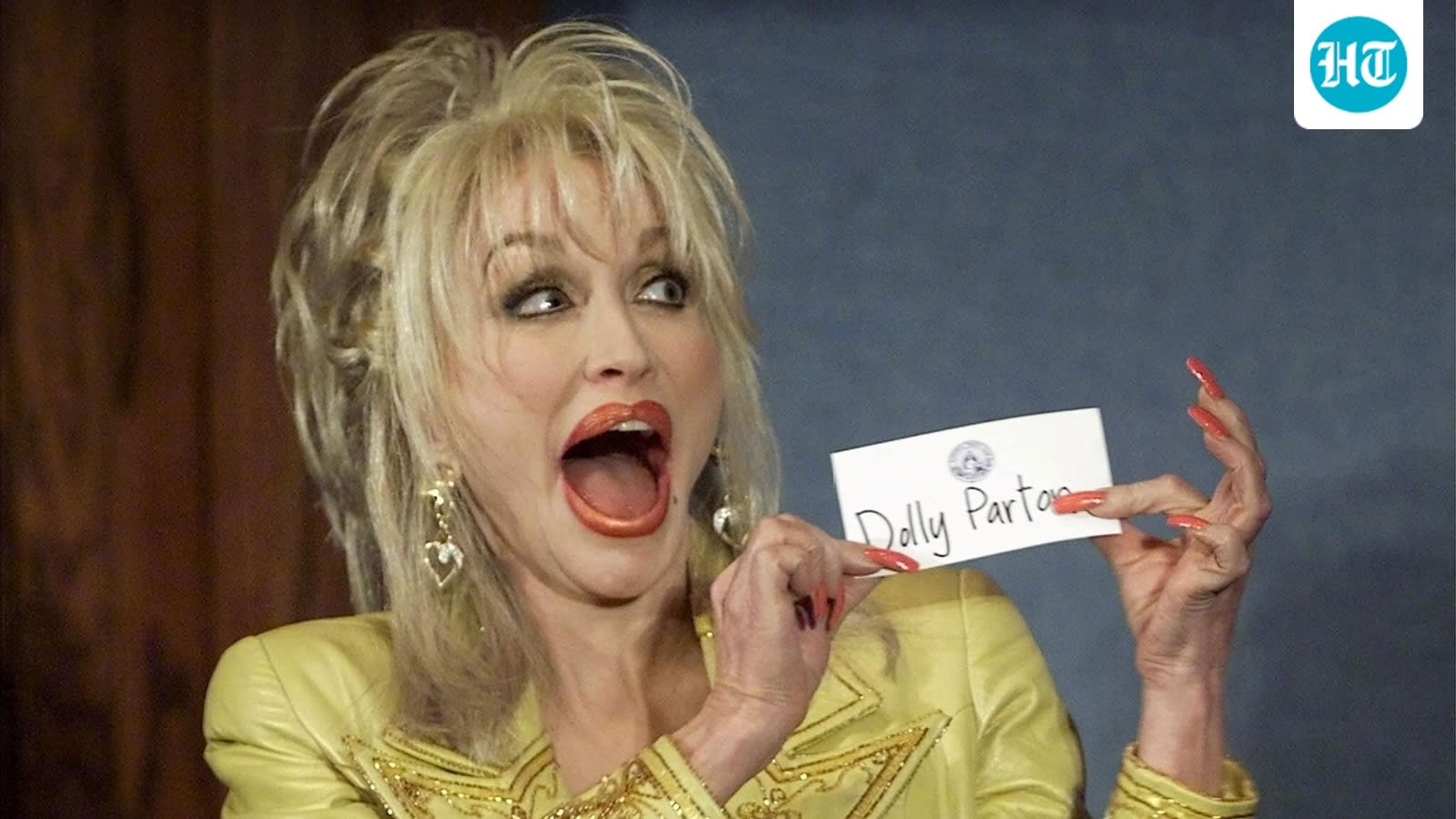
Following Dolly Parton's death at age 80, her sister Stella has publicly denounced the proliferation of AI-generated tributes. The family is calling for greater compassion as they navigate the distress caused by these unauthorized digital recreations.
The Digital Shadow of Loss: Addressing AI Tributes
The passing of country music icon Dolly Parton on August 25 at the age of 80 has triggered a global outpouring of grief. While fans have gathered at the Country Music Hall of Fame in Nashville and across social media to honor her legendary career, a troubling phenomenon has overshadowed this mourning process: the rapid proliferation of unauthorized, AI-generated content. Parton's sister, Stella Parton, recently took to Instagram to express the family's distress over what she termed "fake AI garbage," marking a significant moment in the ongoing cultural debate regarding digital ethics.
The Impact of Synthetic Content on Mourning
Stella Parton’s plea highlights the unique psychological burden placed on grieving families in the age of generative artificial intelligence. While the intent behind many of these posts may be rooted in fan appreciation, the result is a flood of "endless garbage" that complicates the grieving process. The family, already navigating the loss of a public figure, is forced to confront synthetic songs, images, and videos that mimic the late singer, an experience Stella described as "challenging to absorb."
A Growing Trend of Digital Exploitation
This incident is not an isolated occurrence but rather part of a broader, concerning trend affecting the estates of deceased celebrities. The report notes that Zelda Williams, daughter of the late Robin Williams, issued a similar plea in October, asking fans to cease the creation and sharing of AI-generated videos of her father. This pattern suggests that as AI tools become more accessible, the digital footprint of deceased public figures is increasingly being co-opted, often without the consent of surviving family members, leading to profound ethical questions.
The Tension Between Fan Culture and Ethics
Historically, fan tributes served as communal expressions of shared loss. However, the introduction of AI has altered the landscape of digital memorialization. By prioritizing volume and engagement over authenticity, these "fake" tributes often strip away the genuine humanity that defined Parton's life and career. The disconnect between "genuine support"—which Stella Parton explicitly thanked—and the "AI garbage" underscores a fundamental shift in how digital communities interact with celebrity deaths.
Future Implications for Celebrity Estates
Looking ahead, this situation suggests an urgent need for platform-level interventions and updated legal frameworks regarding post-mortem digital likeness rights. As families become more vocal about their boundaries, social media platforms may face mounting pressure to implement stricter moderation policies for AI-generated content depicting the deceased. The plea from the Parton family serves as a clarion call for a more compassionate approach to digital legacy, emphasizing that technology should not supersede the dignity of the departed or the emotional well-being of those left behind.
Verification Required?