After Sanjay Dutt's Marathi Quip, Former Prisons Chief Recalls His Jail Days
Source Entity
NDTV News Search Records Found 1000
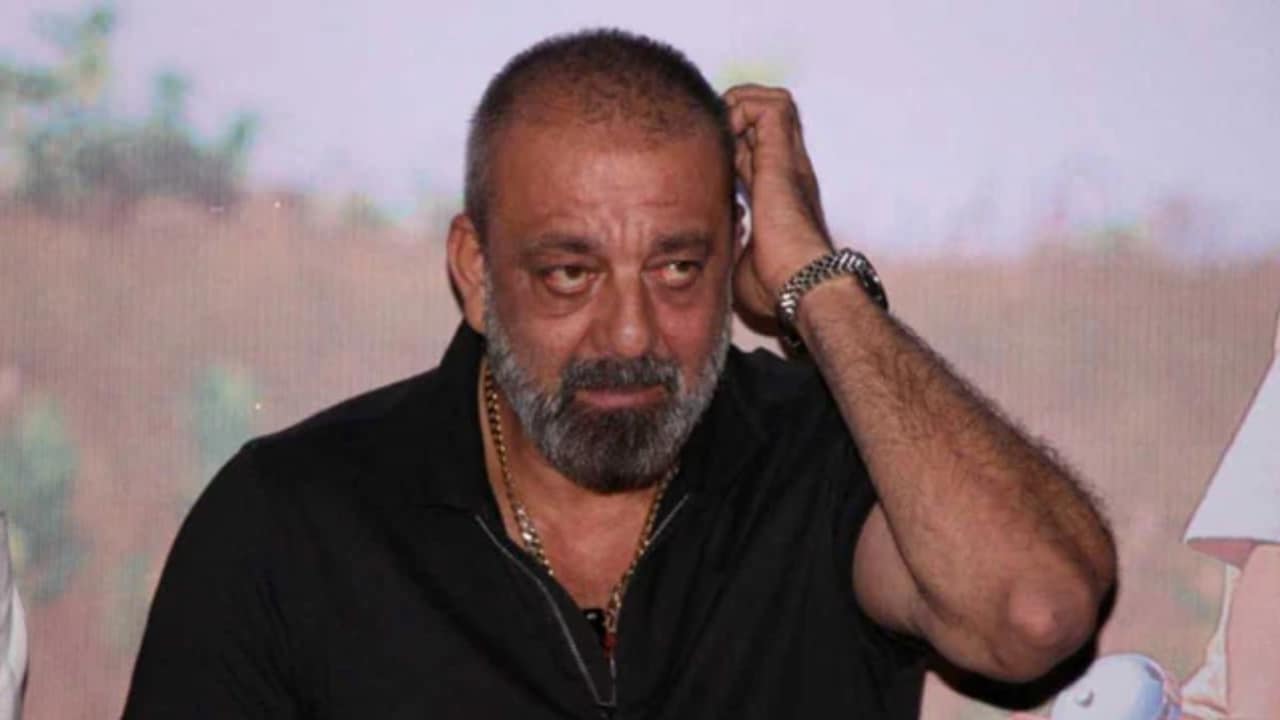
Actor Sanjay Dutt sparked a viral moment at a Mumbai Dahi Handi event by wittily declining a request from Minister Pratap Sarnaik to speak in Marathi. Dutt humorously cited his time in Yerwada Jail as the reason he never learned the language, drawing attention to his past legal history.
The Intersection of Celebrity and Regional Politics
At a recent Dahi Handi event in Mumbai, actor Sanjay Dutt found himself at the center of a viral cultural discourse after a lighthearted exchange with Maharashtra Transport Minister Pratap Sarnaik. When Sarnaik, a Shiv Sena leader, playfully urged the actor to demonstrate his proficiency in Marathi—noting that he has been encouraging others to learn the language—Dutt opted for a candid and humorous response. By stating, "Jail me nahi seekha" (I didn't learn it in jail), the actor effectively neutralized a potentially sensitive request, turning a public political interaction into a moment of self-deprecating wit.
Contextualizing the Yerwada Jail Reference
The mention of Yerwada Jail carries significant weight, as it serves as a direct reference to the six-year prison term Dutt served following his conviction by a Mumbai special TADA court. This chapter of the actor's life, which has been widely documented in both legal records and popular media, continues to define a portion of his public identity. By invoking this period, Dutt did more than just avoid speaking a language; he acknowledged a dark, historical chapter of his life in a way that resonated with the audience, highlighting the lasting impact of his legal struggles on his public persona.
The Role of Public Figures in Language Politics
Language remains a highly sensitive and politically charged topic in Maharashtra. Ministers like Pratap Sarnaik often leverage public events to promote the use of Marathi, aiming to foster regional identity and linguistic pride. When such requests are made of celebrities on public stages, the interaction becomes a microcosm of the state's broader socio-political climate. Dutt’s refusal, while framed as a joke, highlights the tension between the expectations placed on public figures to conform to regional cultural demands and their own personal histories.
Media Impact and Social Media Reception
The rapid spread of the video across social media platforms underscores the public's fascination with the intersection of Bollywood and politics. In an era where every word spoken by a public figure is scrutinized and amplified, Dutt’s ability to use humor to navigate an awkward request prevented a potentially embarrassing political gaffe. The subsequent interest from former prison officials and political observers indicates that even a casual quip can reignite discussions about the actor’s past and the complex dynamics of Maharashtra’s political landscape.
Implications and Future Trends
This incident serves as a reminder of how high-profile individuals must tread carefully when navigating regional identity politics. As political figures continue to engage with the entertainment industry to boost their public image, we are likely to see more of these unscripted moments that challenge the boundaries of public discourse. Moving forward, celebrities will likely continue to rely on their established public images—often characterized by transparency or humor—to manage the pressures of such interactions, ensuring they remain relevant without alienating their diverse fan base.
Multiple Citing Sources
Verification Required?