DoorDash shareholders aren’t convinced the company can take on Amazon
Source Entity
Latest News: Todays Latest News Headlines from India & World | Hindustan Times
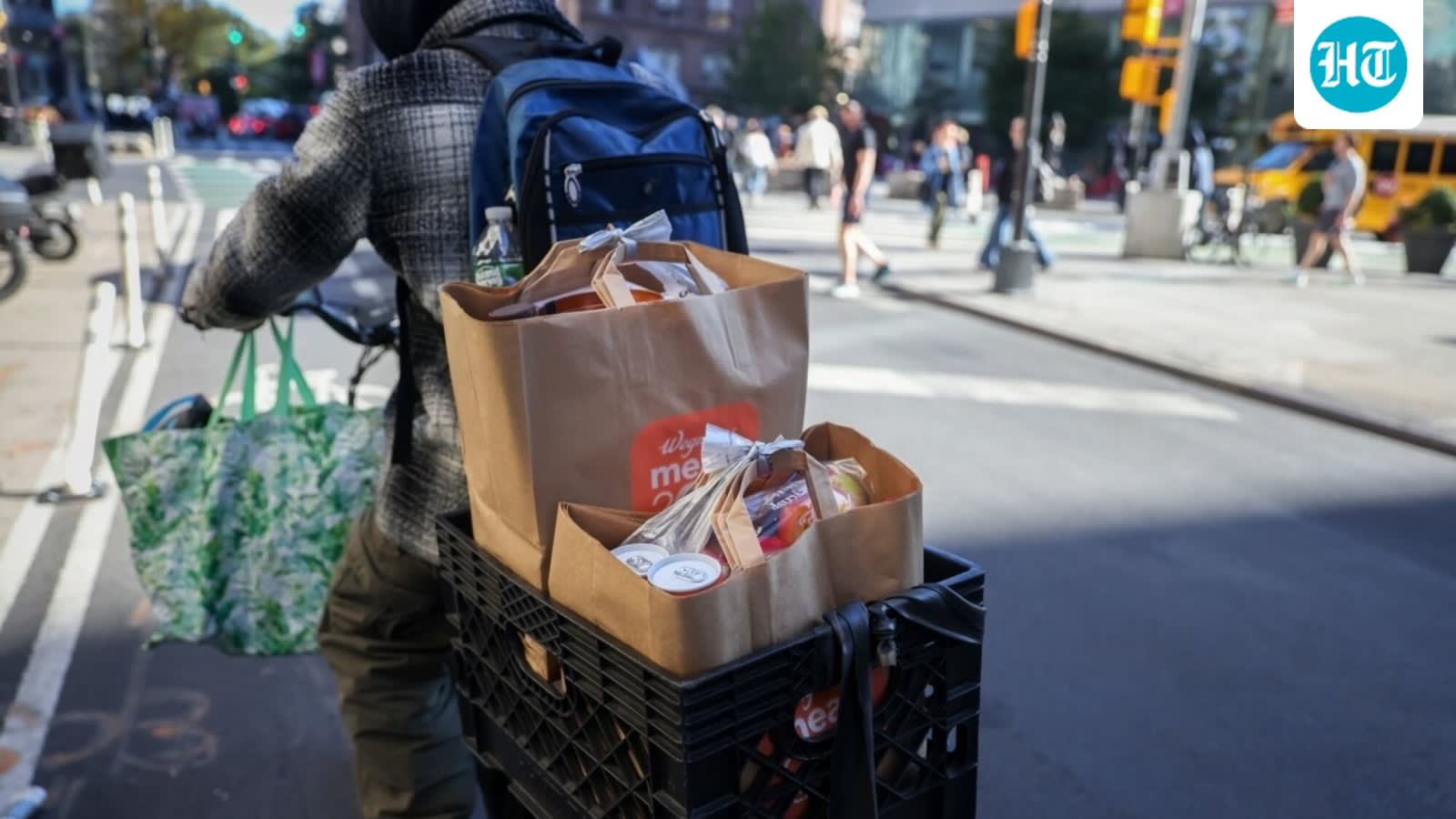
DoorDash faces investor skepticism regarding its competitive position against retail giants like Amazon and Walmart. Despite recent stock volatility, analysts suggest the market may be overreacting to competitive shifts in the grocery delivery sector.
The Battle for the Grocery Delivery Throne
DoorDash currently finds itself at a critical strategic crossroads, as evidenced by recent investor anxiety following news of potential acquisition strategies and shifting alliances among its competitors. The core of this market tension lies in the company's ability to pivot from a restaurant-centric delivery model to a dominant force in the grocery logistics space. Investors are clearly weighing whether the company possesses the infrastructure and market penetration to withstand the aggressive expansion of retail titans like Amazon and Walmart.
The Growth Potential of Digital Groceries
The fundamental thesis for DoorDash's expansion is rooted in the significant untapped potential of the online grocery sector. With current data from Emarketer indicating that e-commerce will account for approximately 15.5% of total grocery sales this year, the runway for growth remains substantial. By aiming to capture even a modest fraction of the $1.4 trillion physical grocery market, DoorDash seeks to move beyond the margins of prepared food delivery and into the high-frequency, essential purchasing habits of the average consumer.
Analyzing Market Volatility and Investor Sentiment
Recent fluctuations in DoorDash stock prices appear to reflect a knee-jerk reaction to broader industry news, specifically the evolving relationship between Amazon and rival delivery platforms. The market's negative sentiment seems disconnected from the reality of past performance metrics. For instance, Amazon's historical partnership with Grubhub failed to yield significant market share gains for the delivery service, suggesting that a simple partnership does not guarantee long-term dominance in the space.
The Competitive Landscape
While Uber Eats has made headlines with its own strategic movements, the threat posed by Amazon remains multifaceted. Amazon is not merely relying on third-party delivery services; it is actively expanding its own internal capabilities and deepening direct partnerships with established supermarket chains like Winn-Dixie. This dual-pronged strategy—combining its own logistics network with strategic retail alliances—creates a formidable barrier to entry for any delivery platform attempting to capture grocery market share.
Future Trends and Strategic Outlook
The central question for stakeholders remains: can a combined DoorDash-Instacart entity offer a value proposition that is differentiated enough to challenge the convenience and reach of Amazon's ecosystem? Future trends suggest that the winner will likely be determined by logistical efficiency and the depth of integration with local supermarket retailers. As the market matures, consolidation and strategic partnerships will become the primary drivers of success, forcing companies like DoorDash to prove that their technology and delivery network can provide a superior experience compared to the vertically integrated systems of retail giants.
Verification Required?