Indian stocks end in red on Diwali after eight years, break 7-day winning run
Source Entity
Akash Mandal
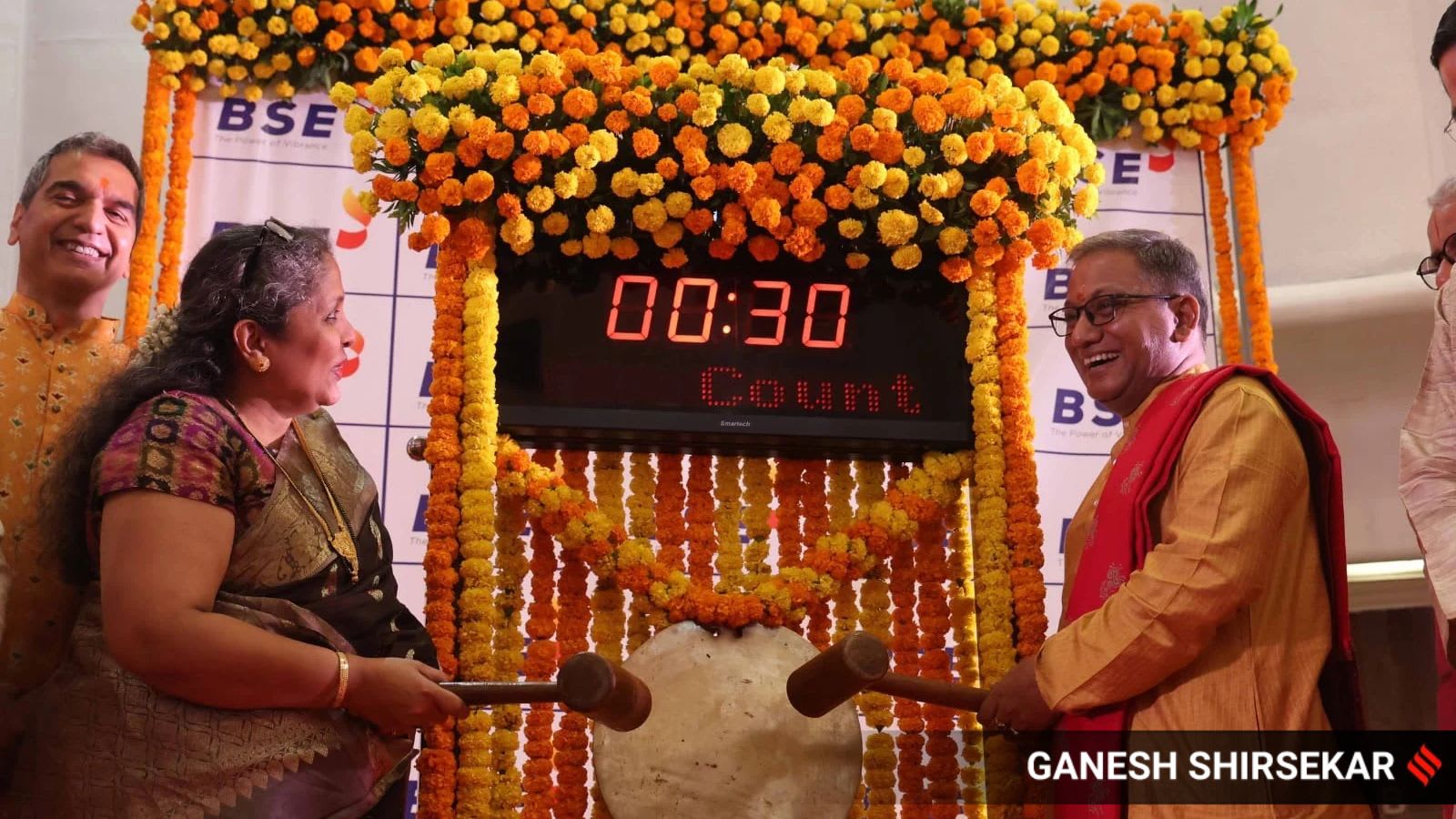
The Indian stock market concluded its special Diwali Muhurat trading session in the red, ending a seven-session winning streak. Despite the marginal decline, investor sentiment remains optimistic for the new Samvat 2083 year.
The Significance of Muhurat Trading in Samvat 2083
Indian stock markets recently observed the traditional one-hour special session known as Muhurat Trading, marking the auspicious beginning of Samvat 2083. This symbolic session, held on Sunday, November 8, serves as a cultural and financial milestone where investors participate to invite prosperity for the new Hindu calendar year. Both the National Stock Exchange (NSE) and the Bombay Stock Exchange (BSE) facilitated this abbreviated window from 2:20 pm to 3:30 pm, alongside the Multi Commodity Exchange (MCX).
A Record-Breaking Lead-Up
Leading into this year’s session, the Indian markets experienced an extraordinary surge. The Nifty index recorded a remarkable increase of over 8% during the preceding week, with both the Sensex and Nifty logging gains for seven consecutive sessions. This rally was so robust that it represented the largest weekly gain for the markets in nearly six years, setting a high expectation for the Muhurat session itself.
The Shift in Market Sentiment
Despite the prevailing optimism, the Muhurat session concluded with the indices in the red, marking the first time in nine years that the benchmark indices finished lower on Diwali. The Sensex shed 28.62 points to close at 80,999.40, while the Nifty closed 0.2% lower at 24,986.40. This minor correction serves as a testament to the market's volatility, as investors sought to book profits following the intense 8-9% rally observed in the prior week.
Analyzing the Correction
Market analysts interpret this slight dip not as a failure of the auspicious tradition, but as a healthy consolidation. Given that benchmark indices have historically moved within a narrow 1% range during these short sessions, the marginal decline highlights that investors are currently balancing their portfolios after a period of aggressive growth. The break of the seven-session winning streak is a logical outcome of profit-taking behavior rather than a fundamental shift in market health.
Outlook for Samvat 2083
Looking ahead, the outlook for the new Samvat remains constructive. While the immediate reaction to the Muhurat session was a slight downturn, the broader investor sentiment remains positive. The market's resilience throughout the year suggests that investors are looking beyond short-term fluctuations, focusing instead on the long-term potential of the Indian economy. As we enter Samvat 2083, the focus will likely remain on blue-chip stocks and the sustainability of recent growth trends as the market stabilizes after the festive period.