In Noel's crosshairs, Chandra and Mehli reconnect at Tata HQ
Source Entity
REEBA ZACHARIAH
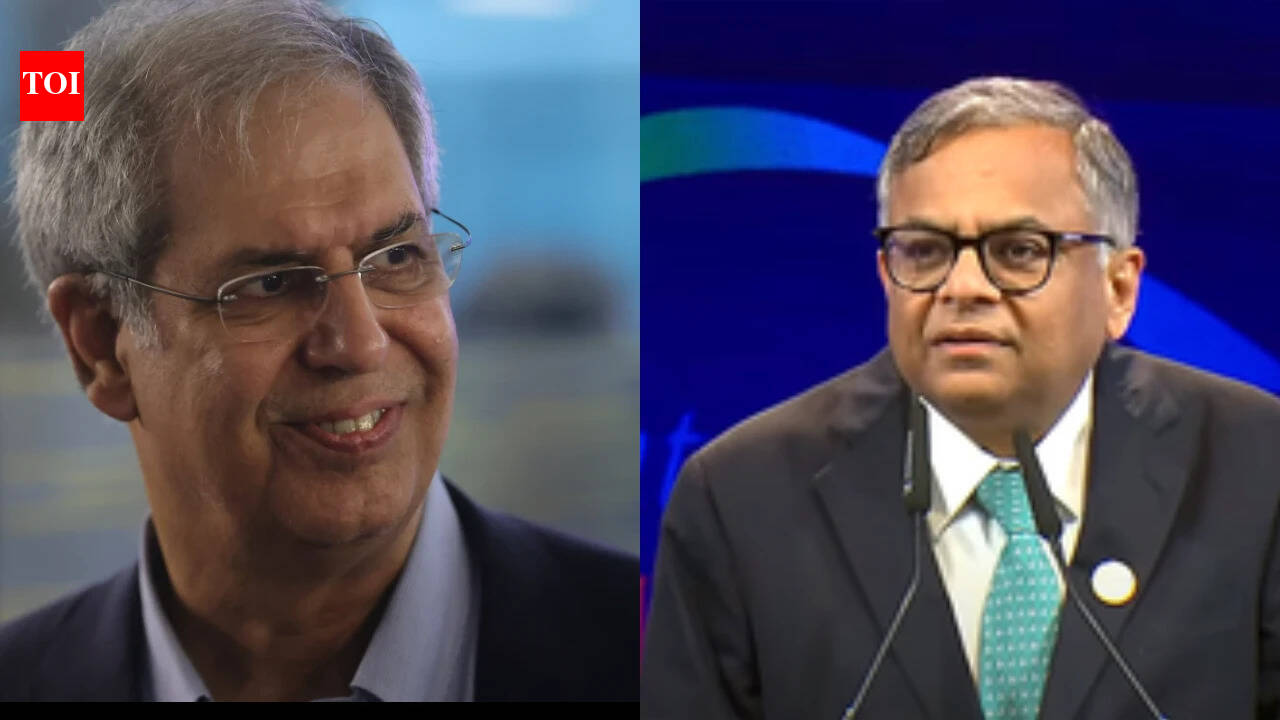
Tata Sons chairman N Chandrasekaran and Mehli Mistry have met at Bombay House to mend their professional relationship. This development follows a period of transition within the Tata Group leadership after the passing of Ratan Tata.
A Shift in the Tata Power Dynamic
The recent meeting between Tata Sons Chairman N Chandrasekaran and Mehli Mistry at the historic Bombay House marks a significant pivot in the internal governance and interpersonal dynamics of the Tata Group. Following a period of notable distance, this encounter signals a concerted effort to restore professional trust and rebuild a collaborative equation between two influential figures within the conglomerate's ecosystem.
The Context of Succession and Transition
The passing of Ratan Tata, a towering figure who defined the group’s modern trajectory, necessitated a broader power shift across the organization. Mehli Mistry, long recognized as a close confidant to the late Ratan Tata and a key trustee of the Tata Education and Development Trust, found himself in a complex position during this transition. The recent meeting, occurring shortly after social appearances at family events, suggests that the group is moving toward a phase of consolidation and stability.
Strategic Alignment Post-Iveco Acquisition
This rapprochement comes at a time when the Tata Group is aggressively pursuing international expansion, highlighted by Tata Motors' recent acquisition of the commercial vehicle maker Iveco in Italy. Such high-stakes international maneuvers require a unified leadership front. Chandrasekaran’s invitation to Mistry highlights the chairman’s focus on aligning key stakeholders to support the group’s ambitious global growth strategy, ensuring that internal friction does not impede operational progress.
Rebuilding Institutional Trust
The meeting at Bombay House is more than a mere social formality; it addresses the need for cohesion among the group's trustees and executive leadership. By re-engaging figures who were previously distanced from the core decision-making apparatus, the current leadership is signaling a return to a more inclusive, albeit disciplined, governance model. This is crucial for maintaining the legacy of the Tata brand while navigating the complexities of modern corporate governance.
Future Outlook for the Tata Group
Looking ahead, the restoration of this relationship could serve as a blueprint for how the Tata Group manages its internal talent and legacy stakeholders. As the group continues to integrate international assets like Iveco, the stability of its internal leadership will be paramount. By bridging these divides, Chandrasekaran is effectively securing the internal support necessary to sustain the group's momentum in a competitive global market.
Conclusion
In summary, the reconciliation between N Chandrasekaran and Mehli Mistry represents a strategic move to solidify the leadership structure of the Tata Group. By prioritizing trust and unity in the wake of significant leadership changes, the organization is positioning itself to better handle the challenges of its expansionist agenda, ensuring that the legacy of its past continues to fuel the innovations of its future.