Police slow to respond to Dover protest, says council boss
Source Entity
BBC News
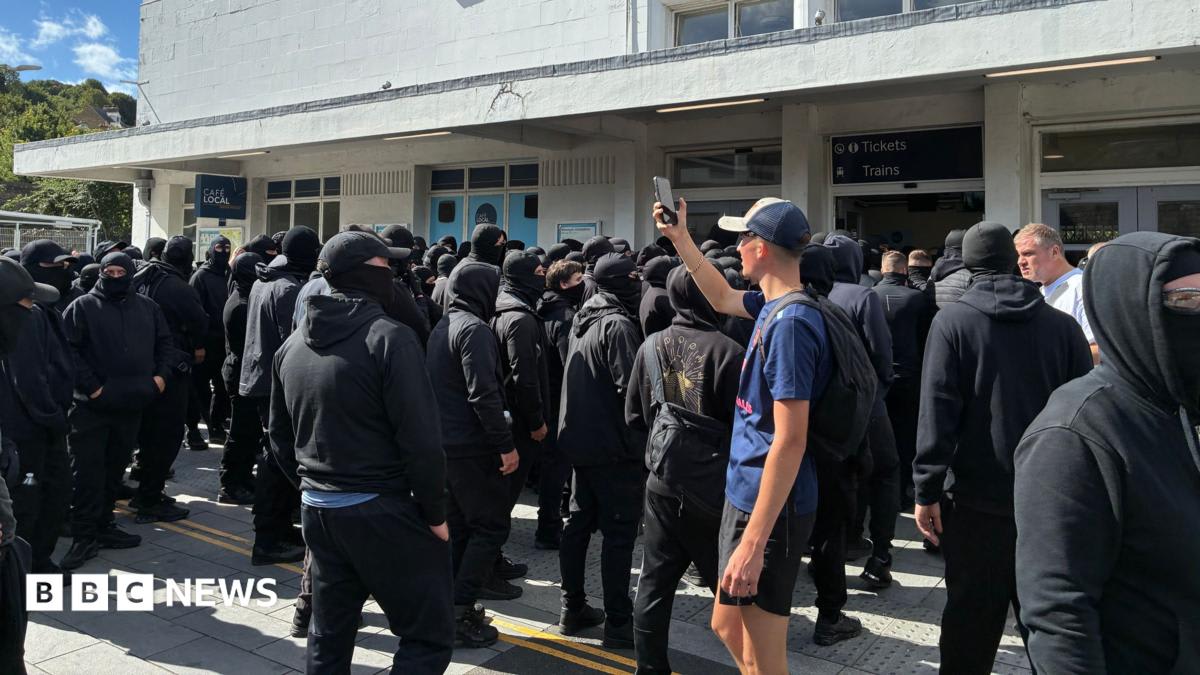
Dover District Council leader Kevin Mills has criticized Kent Police for a slow response to an organized protest that blocked access to the Port of Dover. While the council highlights operational failures, government officials claim the police response was swift.
Port of Dover Protest: An Operational Failure?
The recent disruption at the Port of Dover, which saw hundreds of masked demonstrators chanting "stop the boats," has ignited a significant debate regarding law enforcement preparedness and the management of civil unrest. Kevin Mills, the leader of Dover District Council, has publicly questioned the effectiveness of the response, suggesting that the protest was "exceptionally well organised" to the point where it caught local agencies "on the hoof."
The Challenge of Tactical Surprise
The core of the criticism centers on the apparent intelligence gap between the protest organizers and the responding authorities. According to Mills, the protesters exhibited a high level of coordination that allowed them to ground one of the UK’s most critical pieces of infrastructure for several hours. This suggests a sophisticated level of planning that potentially bypassed traditional monitoring channels, leaving law enforcement reactive rather than proactive in their deployment.
Conflicting Perspectives on Police Response
There is a notable friction between local governance and central government assessments. While Mills expressed disappointment, noting that the police appeared slow to keep vital road networks open, Cabinet Minister Jonathan Reynolds offered a contrasting view, asserting that officers "did deal with it swiftly." This discrepancy highlights the complexities of assessing operational success during high-pressure events where the definition of "swift" varies depending on whether one is prioritizing public order, traffic flow, or the safety of all involved parties.
Infrastructure and Economic Implications
The Port of Dover acts as a vital artery for the UK economy, and any disruption to its operations has immediate cascading effects on supply chains and international travel. The ability of demonstrators to create miles of tailbacks by blocking primary access routes underscores a vulnerability in the region's transport infrastructure. When critical nodes are compromised, the resulting economic friction serves as a force multiplier for the protesters' cause, regardless of the issue being advocated.
Future Trends in Civil Disruption
This incident signals a potential shift in how protest movements are organizing themselves. By choosing a high-impact, time-sensitive location like the Port of Dover, groups are increasingly focusing on maximum visibility and disruption. Moving forward, authorities will likely need to re-evaluate their intelligence gathering and rapid-response protocols to ensure that strategic infrastructure remains protected against similar "well-organised" actions that aim to paralyze critical logistics networks.