What can your nails say about your health? Physician Dr Kunal Sood shares 5 insights
Source Entity
Latest News: Todays Latest News Headlines from India & World | Hindustan Times | Hindustan Times
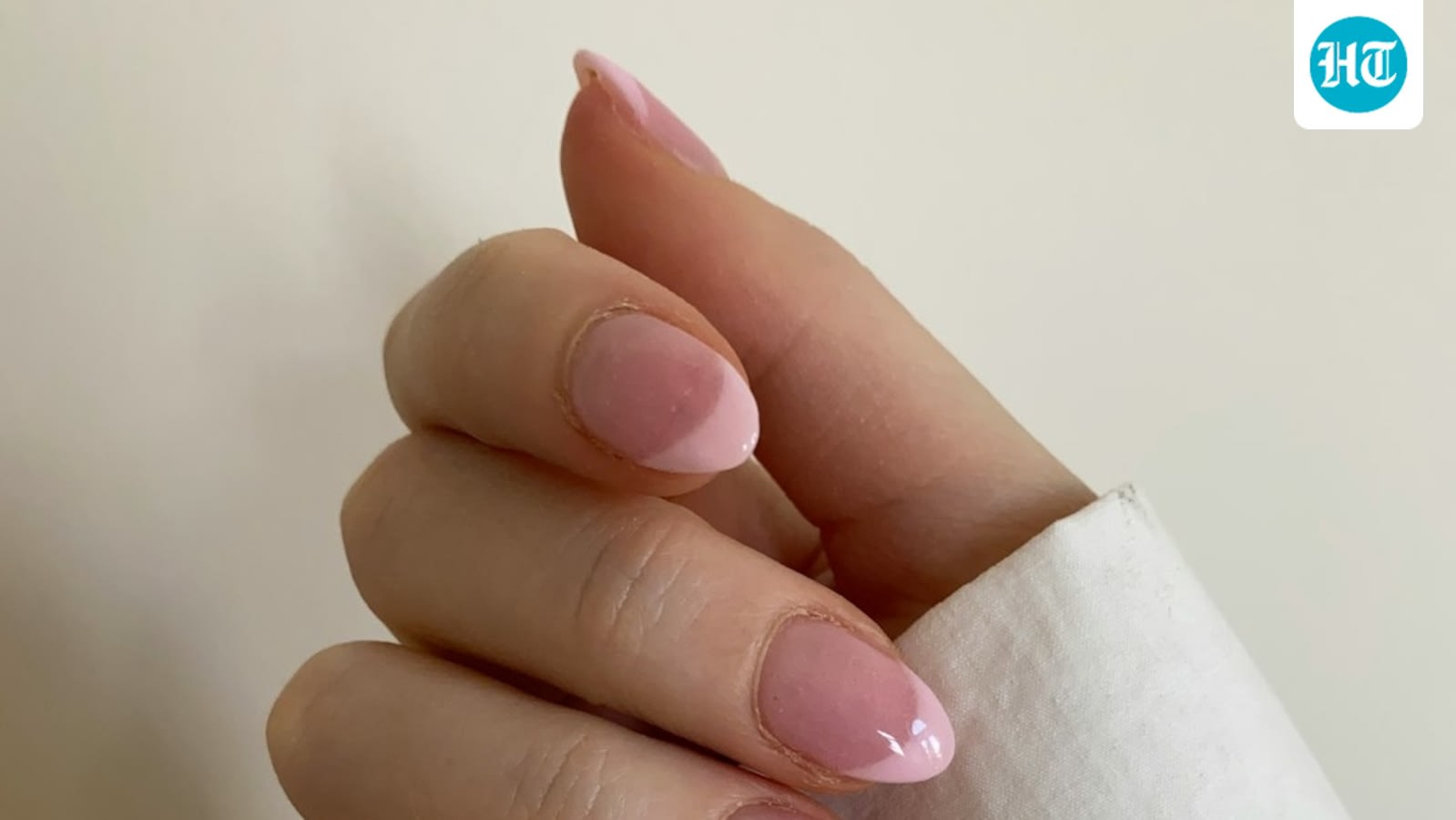
Physician Dr. Kunal Sood highlights how fingernail health serves as a diagnostic indicator for underlying medical conditions. He specifically notes that spoon-shaped nails, or koilonychia, are often linked to long-standing iron deficiency.
The Diagnostic Potential of Fingernails
Fingernails are frequently viewed through the narrow lens of cosmetic grooming, with millions of people investing time and resources into manicures and pedicures. However, Maryland-based physician Dr. Kunal Sood, an expert in Anesthesiology and Interventional Pain Medicine, suggests that these keratin structures are far more than aesthetic features. They serve as a biological readout of an individual’s systemic health, offering subtle clues that can indicate nutritional status or underlying medical conditions.
Interpreting Nail Morphology
Dr. Sood’s recent insights emphasize that the physical characteristics of nails, such as their shape, can be highly informative. One of the most distinct indicators mentioned is the 'spoon-shaped' nail, clinically referred to as koilonychia. This condition is characterized by nails that become thin and concave, often with raised edges. According to Dr. Sood, this morphological change is classically associated with long-standing iron deficiency, a common nutritional deficit that can have cascading effects on the body's physiological functions.
The Role of Iron and Keratin
The connection between nail health and internal wellness is rooted in basic biology. Iron is a crucial component in the production of hemoglobin, which carries oxygen throughout the body. When iron levels are insufficient, the body prioritizes essential organ function, often leading to secondary symptoms like poor nail growth and impaired keratin formation. Dr. Sood notes that the nail bed acts as a visible surface where these internal deficiencies manifest due to the high turnover rate of nail cells.
Clinical Limitations and Caution
While nail changes are significant, Dr. Sood provides a necessary clinical caveat: the appearance of the nail alone is not a diagnostic tool for confirming low iron levels. Modern medicine relies on a multifaceted approach to diagnosis, including blood panels and comprehensive patient histories. Relying solely on visual observation without professional medical testing can lead to inaccurate conclusions, as nail abnormalities can also stem from various other systemic issues, skin conditions, or external trauma.
The Intersection of Grooming and Medicine
In contemporary society, the focus on nail health is often driven by aesthetic trends. However, there is a growing movement toward integrating health literacy into personal care. By observing changes in nail texture, color, or shape, individuals can become more proactive about their health. Dr. Sood’s advice serves as a reminder that the body often broadcasts warning signals long before other severe symptoms emerge.
Future Trends in Preventative Screening
As medical technology and awareness advance, the use of dermatological and physical signs as diagnostic 'biomarkers' is becoming more recognized. Future trends suggest that routine physical exams might increasingly utilize these visible indicators to screen for common deficiencies. Understanding that nails are a reflection of systemic health empowers patients to seek professional medical advice early, potentially preventing the progression of nutritional or metabolic disorders.
Verification Required?