Michigan says it’s OK to start eating salads again as cyclospora outbreak wanes
Source Entity
Jaimy Lee
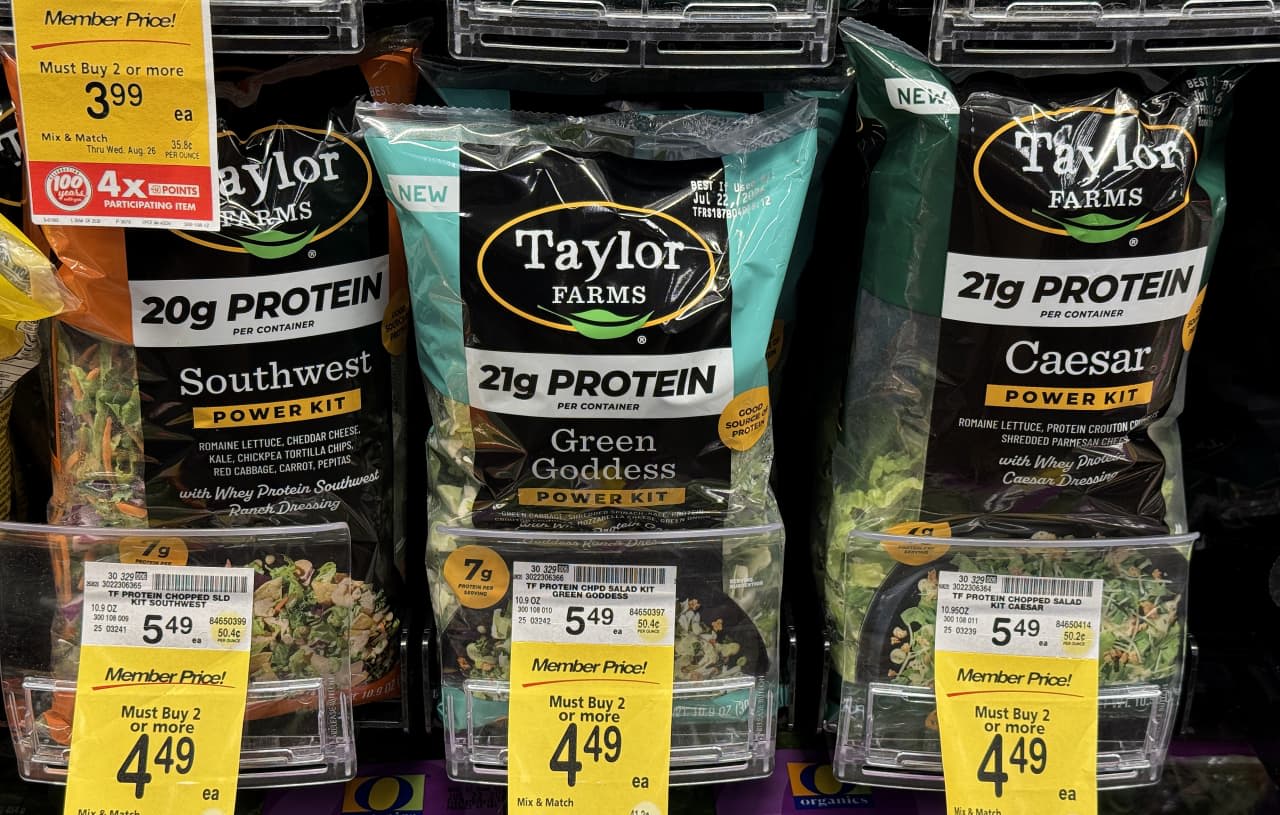
Michigan officials have declared that the recent cyclospora outbreak is waning, allowing residents to safely resume eating salads. The state, which faced the largest outbreak in the U.S., reports a significant decline in new cases of cyclosporiasis.
Michigan Declares End to Cyclospora Outbreak
A Welcome Relief for Public Health
After weeks of concern regarding food safety, Michigan health officials have officially announced that the state’s significant cyclospora outbreak is in decline. As the epicenter of the largest outbreak in the United States, Michigan has been under intense scrutiny, with public health guidance previously urging caution regarding the consumption of certain produce. The recent data confirming a drop in new cases of cyclosporiasis provides a much-needed sigh of relief for both consumers and the agricultural supply chain.
Understanding Cyclosporiasis
Cyclosporiasis is an intestinal infection caused by the Cyclospora cayetanensis parasite. It is typically transmitted through the ingestion of food or water contaminated with feces. In the context of the recent Michigan crisis, the infection was linked to fresh produce, specifically leafy greens often found in salads. The parasite is known for causing prolonged gastrointestinal distress, including watery diarrhea, cramping, and fatigue, which can be particularly debilitating if not diagnosed and treated promptly with specific antibiotics.
The Impact of Supply Chain Vigilance
The rapid decline in cases is a testament to the effectiveness of public health interventions and the cooperation of food distributors. When a state becomes the focal point of a national outbreak, the immediate response involves tracing the source of contamination back to specific farms or processing facilities. By identifying and removing contaminated products from retail shelves, officials were able to curb the spread of the parasite. This incident highlights the critical importance of robust food safety protocols and the necessity of rapid communication between state health departments and the public.
Broader Implications for Food Safety
This outbreak serves as a stark reminder of the vulnerabilities inherent in the modern food supply chain. Fresh produce, which is often consumed raw, presents unique challenges because it cannot be 'cooked' to kill pathogens in the same way meat products can. As consumer demand for fresh, organic, and pre-packaged salads continues to rise, the risk of multi-state outbreaks remains a persistent concern. Future trends in food safety will likely focus on enhanced traceability technology, allowing for even faster identification of contamination points during similar crises.
Looking Ahead: Consumer Confidence
While the worst of the outbreak has passed, the recovery phase involves restoring consumer confidence. Public health agencies are now shifting their focus toward monitoring for any late-developing cases and ensuring that standard hygiene practices remain at the forefront of agricultural production. Residents can now safely return to their regular dietary habits, though the event underscores the importance of washing produce thoroughly and staying informed about food safety advisories issued by state and federal authorities.
Conclusion
In conclusion, the stabilization of the cyclospora outbreak in Michigan is a significant victory for public health. By effectively managing the transmission of this parasite, the state has mitigated a growing health threat. As we move forward, the lessons learned from this outbreak will undoubtedly inform future strategies to prevent similar occurrences, ensuring a safer food environment for all.
Verification Required?