Assam Floods: Death Count Rises To 95, 14 Districts On High Alert
Source Entity
NDTV News Search Records Found 1000
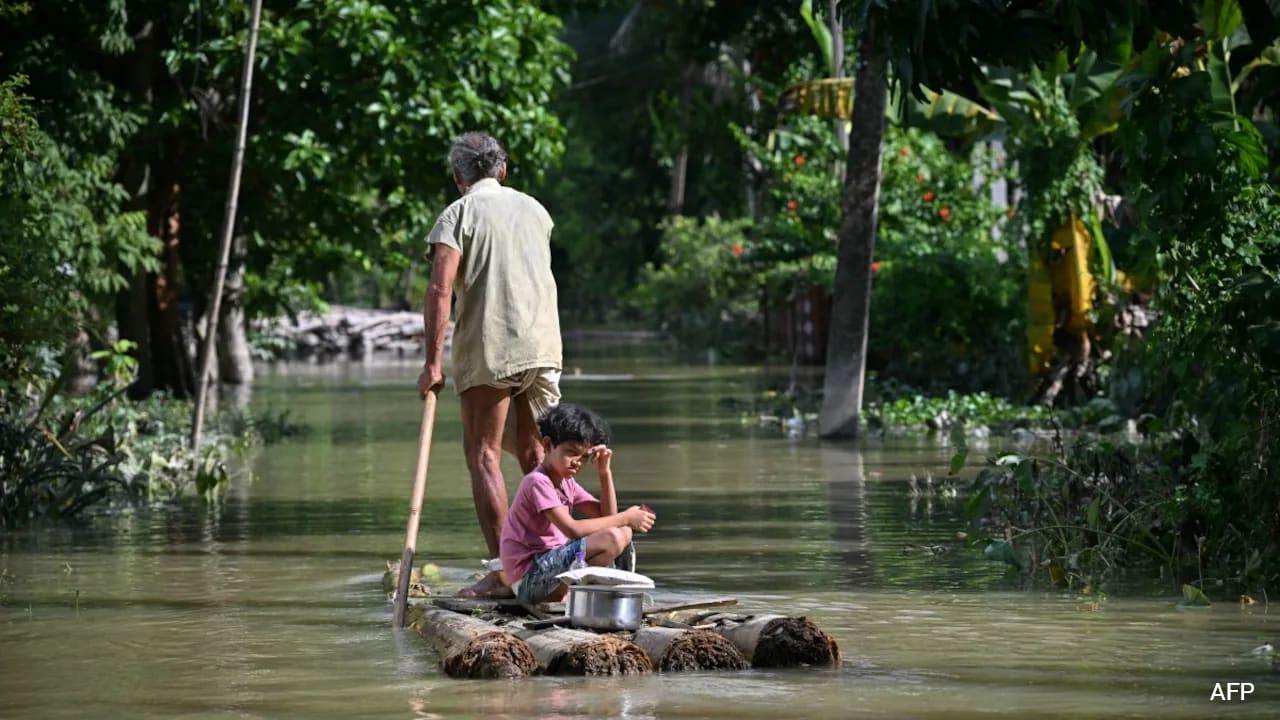
Assam faces a severe flooding crisis affecting over 1.6 lakh people across 563 villages. With the death toll reaching 95, 14 districts remain on high alert as authorities manage the ongoing disaster.
The Expanding Crisis: Assam's Flooding Emergency
The state of Assam is currently grappling with a severe environmental catastrophe as the latest wave of flooding has left a devastating trail of destruction. With the official death toll climbing to 95, the humanitarian crisis has reached a critical juncture. The scale of the impact is widespread, affecting over 1.6 lakh people and disrupting life across 563 villages, forcing authorities to place 14 districts on high alert.
Geographical and Human Impact
The geography of Assam, defined by the Brahmaputra River and its numerous tributaries, makes the region inherently vulnerable to seasonal inundation. However, the current figures—1.6 lakh individuals displaced or impacted—highlight an acute escalation in the severity of these floods. The inundation of 563 villages suggests that both agricultural land and essential infrastructure have been severely compromised, creating a long-term challenge for recovery and reconstruction efforts.
The Human Toll and Administrative Response
With the death toll at 95, the urgency of the situation cannot be overstated. The designation of 14 districts as being on 'high alert' indicates that state and local disaster management agencies are operating under extreme pressure. This phase of the emergency is not merely about immediate rescue operations; it involves maintaining the supply of essential services, preventing the outbreak of waterborne diseases, and ensuring that those displaced by the rising waters have access to temporary shelter and sustenance.
Environmental and Structural Context
Flooding in Assam is a recurring phenomenon, often exacerbated by intense monsoonal rainfall that overwhelms the drainage capacity of the region's river systems. The current situation serves as a stark reminder of the intersection between climate patterns and human settlement. The sheer number of affected villages points to a significant portion of the population residing in flood-prone zones, necessitating more robust, long-term flood mitigation strategies, such as improved embankment maintenance and early warning systems.
Broader Implications and Future Trends
Looking ahead, the recovery process will likely be protracted. The loss of life and the economic damage to 563 villages represent a significant setback for the regional economy, which is heavily reliant on agriculture. Future trends suggest that as climate variability increases, the frequency and intensity of such flood events may continue to challenge the resilience of Assam's infrastructure. Policymakers will likely need to shift focus from purely reactive emergency responses to proactive, resilient infrastructure development to safeguard lives and livelihoods in the future.
Conclusion
In summary, the situation in Assam remains dire as the state confronts the human and physical toll of this flooding event. With 14 districts under high alert and a death toll of 95, the focus remains on immediate life-saving operations and the stabilization of the affected areas. The magnitude of this disaster underscores the need for continued vigilance and a comprehensive approach to managing the risks posed by the region's complex hydrological landscape.
Verification Required?