US to shut five consulates as critics fear China could fill diplomatic vacuum
Source Entity
Robert Tait in Washington
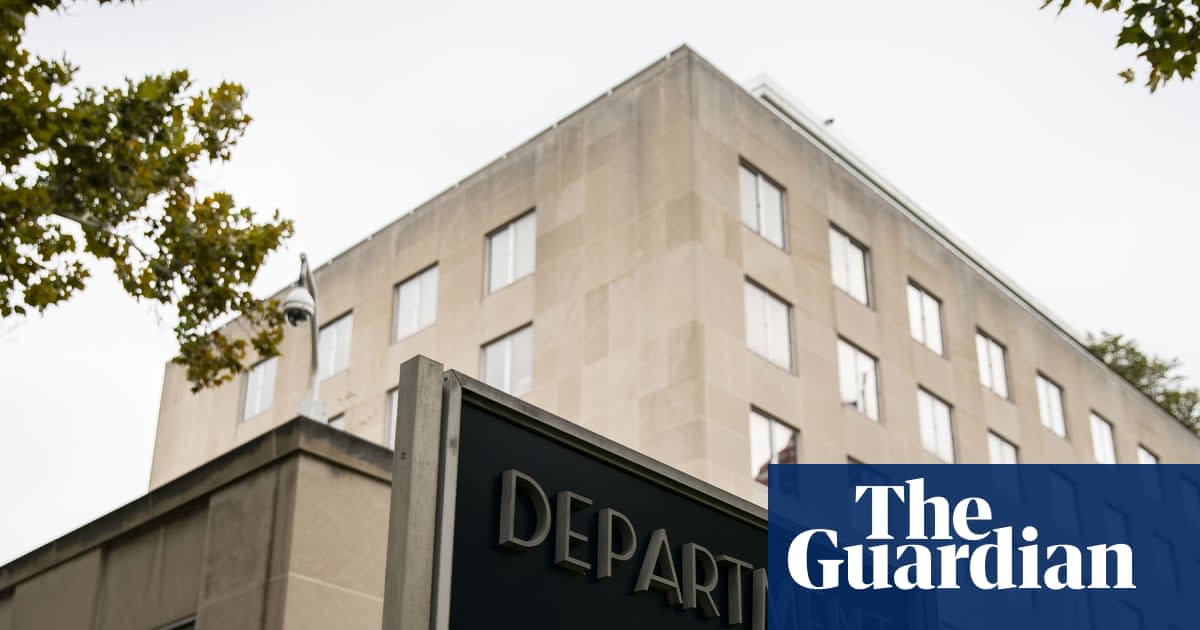
The U.S. State Department is closing five consulates across four continents to reduce costs under the current administration. Critics warn these closures may create a diplomatic void that China could exploit to expand its global influence.
The Strategic Retrenchment of U.S. Diplomacy
The U.S. State Department has officially notified Congress of its intent to shutter five diplomatic missions located in St. George’s, Grenada; Nagoya, Japan; Medan, Indonesia; Douala, Cameroon; and Winnipeg, Canada. This move represents a significant contraction of the American diplomatic footprint, occurring under the oversight of Secretary of State Marco Rubio. These closures are framed as a fiscal necessity following a comprehensive reassessment of bilateral relationships initiated after Donald Trump’s return to the White House in January 2025.
Fiscal Austerity vs. Geopolitical Presence
While the administration justifies these closures on the grounds of cost-cutting, the decision has ignited a fierce debate regarding the prioritization of budgetary efficiency over global soft power. In the realm of international relations, consulates serve as critical nodes for commerce, emergency assistance, and local intelligence gathering. By withdrawing from these specific locales, the U.S. is effectively signaling a shift toward a more centralized and streamlined diplomatic posture, potentially sacrificing localized influence for immediate fiscal relief.
The Shadow of China’s Global Ambitions
Perhaps the most pressing concern voiced by critics is the potential for a diplomatic vacuum. China has spent the last decade aggressively expanding its influence across the Global South and parts of the Pacific through infrastructure investment and diplomatic engagement. By vacating posts in regions like Africa and Southeast Asia—areas where Beijing has actively sought to cultivate deep-rooted partnerships—the U.S. risks ceding ground. If Washington fails to maintain a physical presence, it may find it increasingly difficult to counter Chinese economic and political narratives in these key markets.
Regional Impact and Diplomatic Signaling
Each location chosen for closure carries specific regional implications. For instance, the closure in Medan, Indonesia, and Nagoya, Japan, impacts two critical Indo-Pacific nations where the U.S. maintains a vested interest in regional stability and trade. Similarly, the departure from Douala, Cameroon, and St. George’s, Grenada, reflects a broader trend of shifting focus away from smaller diplomatic outposts in favor of major embassy hubs. This strategy assumes that digital diplomacy and regional hubs can replace the face-to-face engagement provided by on-the-ground consulates.
Future Trends in American Foreign Policy
This consolidation marks a departure from the traditional model of expansive diplomatic reach. Under the current administration, the policy trajectory appears to favor a 'leaner' State Department, potentially foreshadowing further closures if fiscal pressures persist. Observers will be watching closely to see if these cutbacks lead to a measurable decline in U.S. soft power or if technological advancements in communication can adequately compensate for the loss of physical diplomatic infrastructure. Ultimately, these closures serve as a litmus test for whether the U.S. can maintain its global standing while simultaneously pursuing a policy of retrenchment.