What stopped 'biggest attack since World War II' on Iran? Trump reveals
Source Entity
VIVEK DUBEY
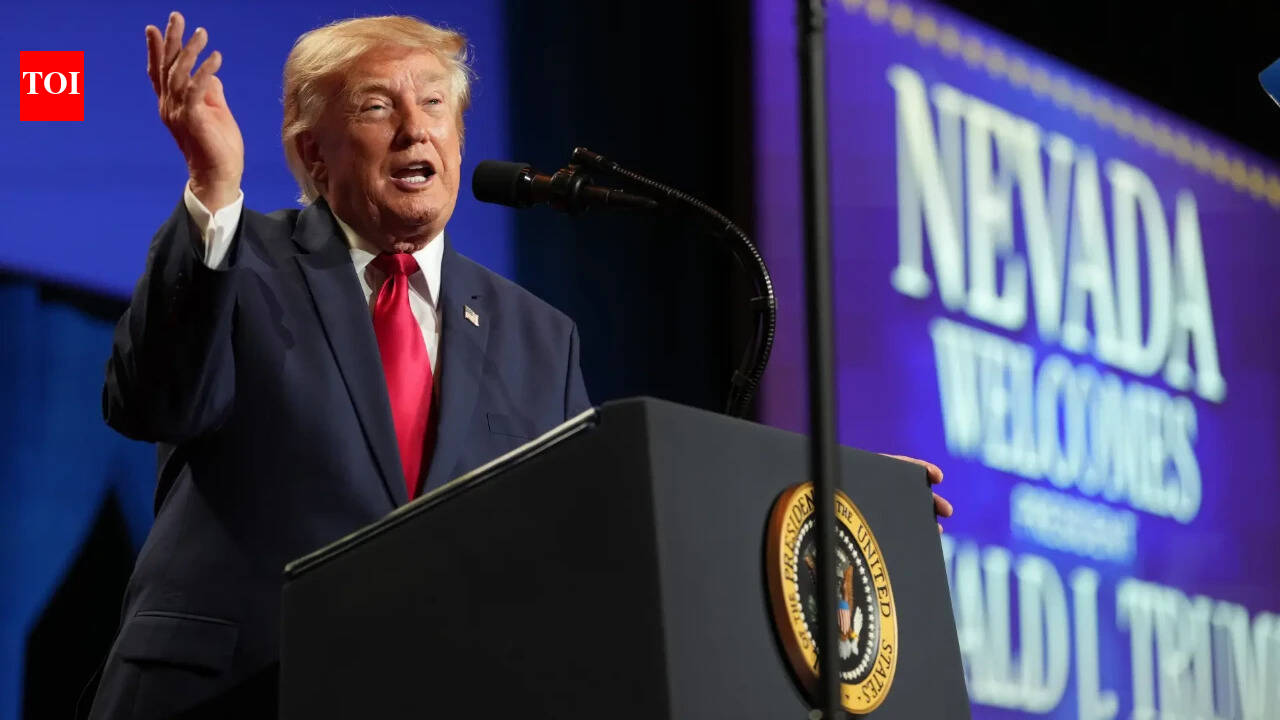
Former President Donald Trump claimed he averted a massive military strike on Iran by choosing diplomacy after Tehran requested talks. This narrative underscores his 'peace through strength' doctrine, balancing aggressive military posturing with a stated preference for negotiated outcomes.
The Calculus of Conflict: Trump’s Narrative on Iran
Former President Donald Trump recently provided insight into a high-stakes moment in U.S.-Iran relations, claiming that he halted what he characterized as the "biggest attack since World War II" directed at Iran. According to Trump, this military action was imminent until Iranian officials reached out to the United States to request diplomatic engagement. This narrative frames the potential conflict not as an unavoidable escalation, but as a calibrated exercise in coercive diplomacy.
The Doctrine of Maximum Pressure
The core of this interaction rests on the administration's "maximum pressure" campaign. By positioning the U.S. military on the precipice of a significant strike, Trump asserts that the sheer weight of American military might forced Tehran to reconsider its posture. The strategy relies on the assumption that adversaries will seek dialogue only when faced with the credible, existential threat of overwhelming force. This approach represents a departure from traditional multilateral engagement, favoring direct communication influenced by the shadow of combat.
Diplomacy Under the Shadow of War
Trump’s comments reveal a complex interplay between aggressive posturing and a stated willingness to negotiate. By stating that he remains open to diplomacy despite the readiness of military assets, he maintains a dual-track strategy. This allows the administration to signal strength to domestic supporters and regional allies while keeping an open channel for a potential deal. The narrative suggests that the prospect of a massive military strike served as the primary catalyst for bringing Iran to the negotiating table.
Strategic Implications for Non-Proliferation
Despite the openness to talks, the underlying tension regarding Iran's nuclear ambitions remains unresolved. Trump emphasized that Washington’s core objectives regarding Iran's nuclear program have not shifted. The narrative implies that any future negotiations would be conducted within a framework where the threat of military force remains a constant, influential factor. This suggests that the U.S. is not looking for a return to previous diplomatic norms, but rather a new agreement forged under the duress of economic and military pressure.
Future Trends in Middle Eastern Policy
This incident highlights a broader trend in how the U.S. approaches regional adversaries. By framing the decision to hold fire as a deliberate choice driven by a diplomatic opening, Trump attempts to solidify a legacy of "peace through strength." Looking forward, this precedent may continue to shape how future U.S. administrations view the utility of military posturing as a tool to facilitate, rather than preclude, diplomatic breakthroughs in volatile regions like the Middle East.
Conclusion
Ultimately, the account provided by Trump serves to illustrate the thin line between total conflict and strategic engagement. While the details of the communication remain centered on his perspective, the event underscores a fundamental belief that military readiness is the most effective prerequisite for diplomatic success. Whether this approach leads to a sustainable resolution of nuclear tensions or merely pauses a cycles of escalation remains a central question in international relations.