Pakistan says ‘India infection’ after Sheikh Hasina’s US-based son alleges ISI influence in Bangladesh
Source Entity
Latest News: Todays Latest News Headlines from India & World | Hindustan Times | Hindustan Times
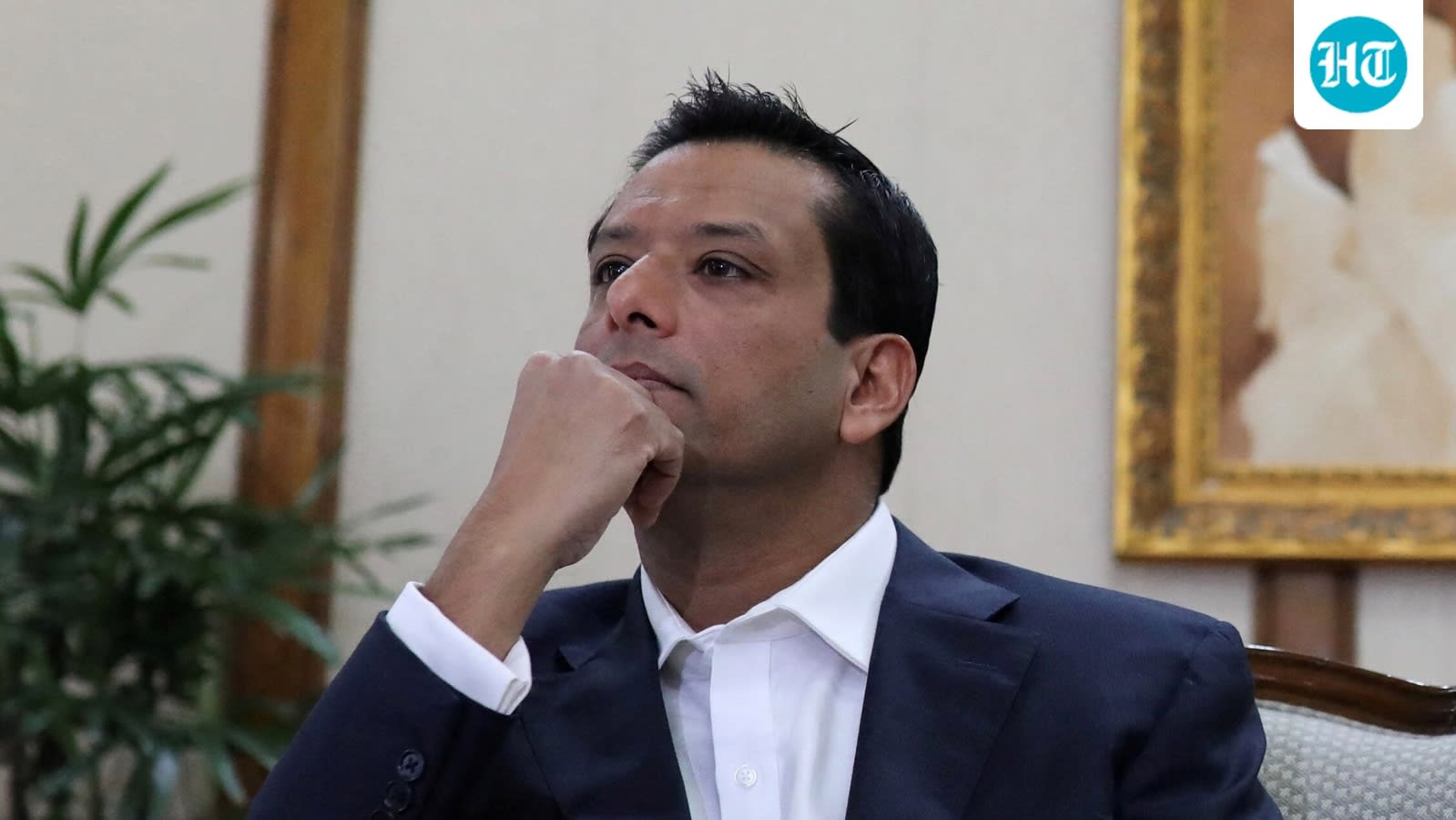
Pakistan has formally denied allegations made by Sajeeb Wazed Joy regarding ISI interference in Bangladesh. The diplomatic friction intensified after a spokesperson incorrectly claimed Joy resided in India, despite his actual residence in the United States.
Diplomatic Tensions: The ISI Interference Allegations
The recent exchange between Pakistan and Sajeeb Wazed Joy, the son of former Bangladeshi Prime Minister Sheikh Hasina, highlights the persistent, volatile intersection of intelligence operations and regional geopolitics in South Asia. Joy, speaking from the United States during a virtual event hosted by the Foreign Correspondents’ Club of South Asia in Delhi, made a stark accusation that Pakistan’s Inter-Services Intelligence (ISI) maintains an “open hand” in Bangladesh. This assertion serves as a flashpoint, reflecting long-standing anxieties regarding external influence in sovereign internal affairs.
Pakistan’s Official Rebuttal
In response to these claims, Pakistan’s foreign ministry spokesperson, Tahir Andrabi, issued a categorical rejection. Islamabad has consistently maintained a policy of non-interference regarding Bangladesh’s domestic political landscape. By dismissing the insinuations of ISI involvement, Pakistan is attempting to stabilize its diplomatic narrative, which often faces scrutiny due to the historical complexities and legacy of the 1971 liberation conflict that birthed Bangladesh.
The Geography of Misinformation
An ironic twist in this diplomatic spat occurred during the press briefing when the Pakistani spokesperson incorrectly identified Sajeeb Wazed Joy’s residence as being in India. This error not only distracted from the core allegation but also underscored the heightened state of alert and potential confusion within regional diplomatic channels. The fact that the spokesperson felt compelled to address the remarks despite claiming he had not fully reviewed them suggests that the accusation from Joy holds significant weight in the eyes of Islamabad.
Broader Geopolitical Implications
The accusation that the ISI has a “free hand” in Bangladesh is particularly sensitive because it frames the issue as a national security concern for India. Given the shared borders and the intricate security architecture of the region, any perceived increase in Pakistani intelligence activity in Dhaka is viewed by New Delhi as a direct challenge to its regional influence. Joy’s comments effectively triangulate the relationship between India, Pakistan, and Bangladesh, placing the security interests of these three nations at the center of the discourse.
Historical Context and Future Trends
This incident is a reminder of the enduring nature of South Asian power dynamics. The historical baggage between these nations often dictates the tone of modern diplomacy, where allegations of “shadow wars” and intelligence interference are common features of political rhetoric. Moving forward, it is likely that such accusations will continue to complicate bilateral relations, as each nation seeks to preserve its regional influence while countering narratives propagated by domestic political actors in exile.
Conclusion
The denial by Pakistan and the counter-allegation by Joy represent a classic manifestation of regional distrust. While the specific incident was marked by a factual error regarding Joy’s location, the underlying tension regarding the role of intelligence agencies in regional politics remains a critical factor in South Asian international relations. As these nations navigate their respective internal transitions, the scrutiny of foreign influence will likely remain a dominant theme in their diplomatic interactions.
Verification Required?