Rain fury grips Delhi-NCR: Waterlogging cripples commute amid IMD's red alert
Source Entity
ANJALI SINGH
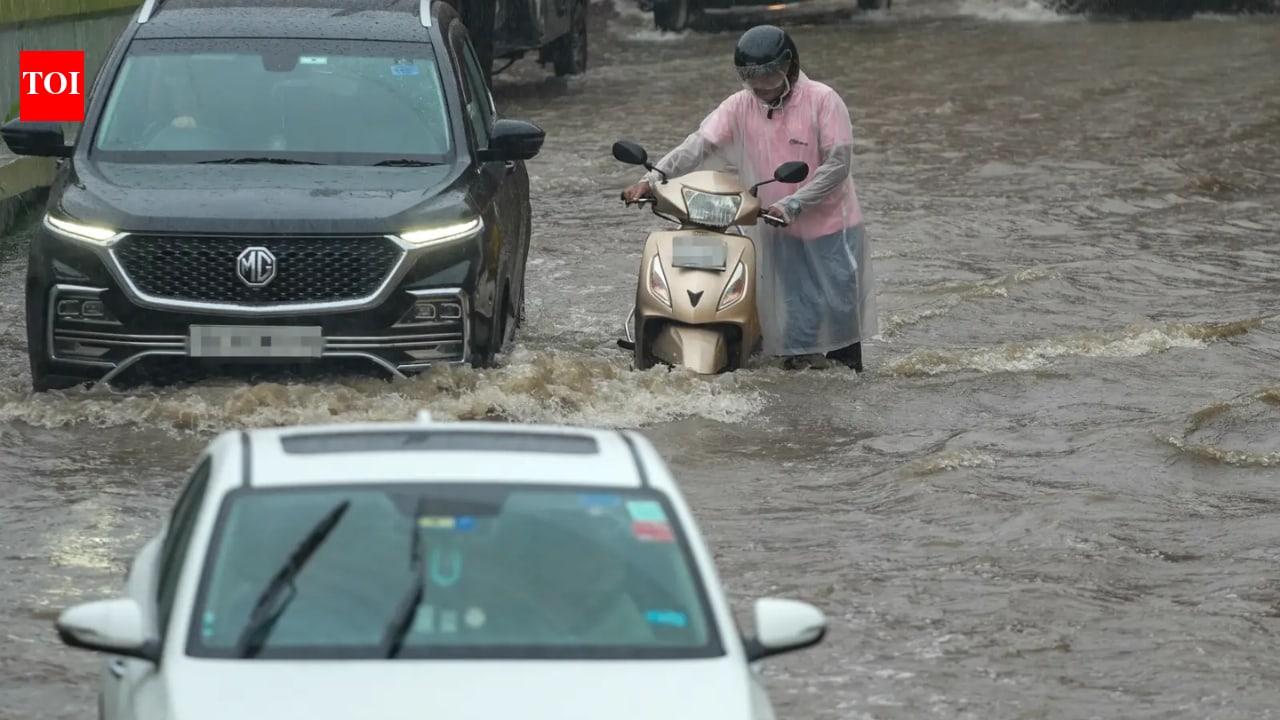
Heavy rainfall has crippled Delhi-NCR, causing severe waterlogging at key locations like Safdarjung Hospital and the airport. The IMD has issued a yellow alert as intermittent light to moderate rain continues to disrupt daily life and traffic.
Delhi-NCR Faces Infrastructure Strain Amid Heavy Rainfall
The recent deluge in Delhi-NCR has once again exposed the vulnerability of urban infrastructure in the face of extreme weather events. As the India Meteorological Department (IMD) issued a series of alerts—ranging from a critical red alert to a sustained yellow alert—the city experienced significant disruptions. The intensity of the rainfall, which submerged key areas including Safdarjung Hospital and the Indira Gandhi International Airport, underscores the recurring challenge of water management in a rapidly expanding metropolitan landscape.
Impact on Urban Mobility and Essential Services
The immediate aftermath of the downpour was characterized by gridlocked traffic on arterial roads, severely hindering the movement of commuters and emergency services. The waterlogging at major transit hubs highlights the struggle of drainage systems to cope with sudden, high-volume precipitation. When critical infrastructure like airport access and hospital surroundings become inundated, the ripple effect on public health and logistics becomes a matter of urgent concern, necessitating a re-evaluation of urban planning strategies.
Meteorological Context and Climate Trends
According to data from the IMD, the city has seen significant rainfall, with relative humidity peaking at 92% during the morning hours. Temperature readings across various stations, such as Palam (24.4℃) and the Ridge (22.5℃), have settled below normal levels, reflecting the cooling effect of the persistent cloud cover and moisture. This meteorological data is crucial for understanding the shifting patterns of the monsoon season, which appears to be delivering more concentrated, high-intensity rain events rather than a steady distribution.
The Role of IMD Alerts in Disaster Preparedness
The transition from a red alert to a yellow alert indicates a slight modulation in weather intensity but maintains a state of caution for the region. The IMD’s role in providing timely forecasts is vital for city management; however, the persistent waterlogging suggests that early warnings must be met with more robust on-ground engineering solutions. The forecast for continued light to moderate rainfall over the coming days indicates that the saturation levels of the soil and drainage networks will remain high, keeping the city in a state of heightened alert.
Future Implications for Urban Development
Looking ahead, the recurring nature of these waterlogging incidents necessitates a long-term strategy focused on climate-resilient infrastructure. As Delhi continues to grow, the pressure on its existing drainage capacity will only intensify. Policymakers must look toward integrating sustainable urban drainage systems (SUDS) and improving the maintenance of existing storm-water drains to mitigate the impact of future climate variability.
Conclusion
In summary, while the immediate crisis is being managed by municipal and meteorological agencies, the events of the past few days serve as a stark reminder of the challenges posed by extreme weather. The combination of high humidity, below-normal temperatures, and widespread waterlogging highlights the need for a comprehensive approach to urban resilience, ensuring that Delhi-NCR can maintain its functionality even when faced with significant climatic volatility.