Schwartz confirmed as CDC director after bungling confirmation hearing
Source Entity
Beth Mole
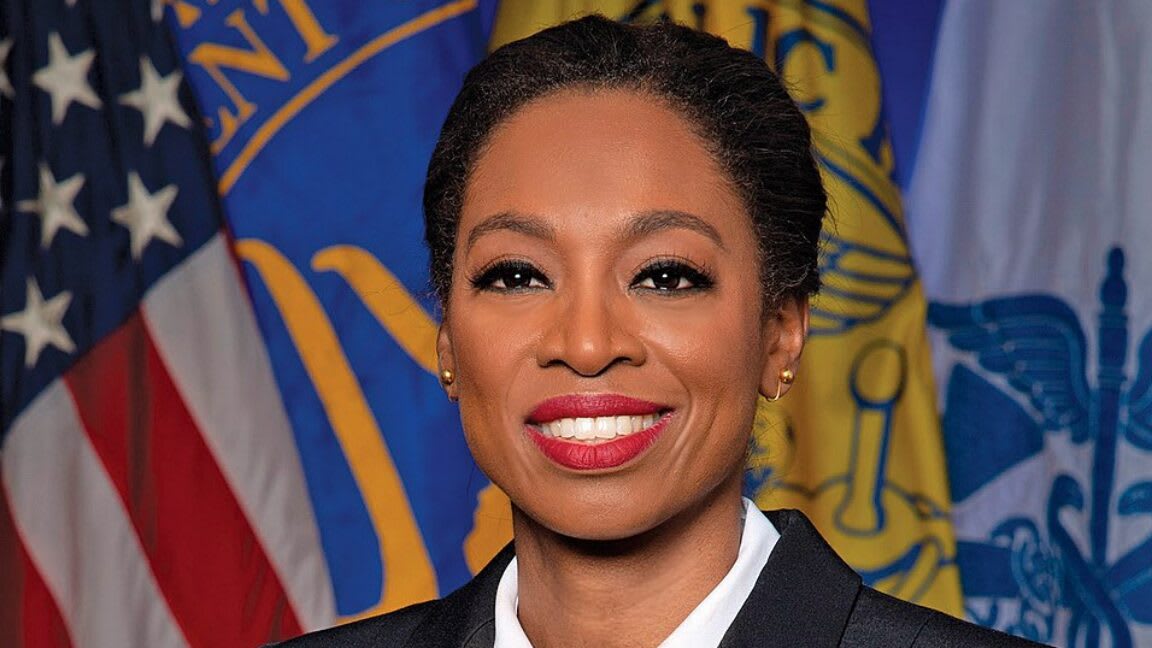
The U.S. Senate has confirmed Erica Schwartz as CDC director following a contentious confirmation process. Her appointment ends a yearlong vacancy caused by the dismissal of her predecessor over ideological disagreements with Secretary Robert F. Kennedy Jr.
The Confirmation of Erica Schwartz as CDC Director
In a narrow 51–44 vote, the United States Senate confirmed Erica Schwartz as the new director of the Centers for Disease Control and Prevention (CDC). This decision concludes a period of significant administrative instability, as the agency had been without a permanent director for nearly a year following the abrupt firing of Susan Monarez last August. The vacancy left the nation’s primary public health institution in a state of leadership limbo during a critical era of post-pandemic recovery and public health policy adjustment.
A Turbulent Path to Confirmation
Schwartz’s path to the directorship was far from seamless. Her confirmation hearing last month was widely viewed as a failure, characterized by her inability to adequately address senators' concerns regarding her independence. Specifically, lawmakers were deeply skeptical of her capacity to resist political pressure from Health and Human Services Secretary Robert F. Kennedy Jr., known for his vocal anti-vaccine stance. Despite these optics, the Senate ultimately opted for confirmation, prioritizing the necessity of filling the leadership gap over the concerns raised during her testimony.
The Shadow of the Kennedy Era
The context surrounding this appointment is defined by the ideological friction between the CDC’s scientific mission and the administration's leadership. The firing of Susan Monarez serves as the primary catalyst for the current situation; Monarez was ousted for refusing to endorse vaccine recommendations proposed by a panel of advisors hand-picked by Secretary Kennedy. These advisors are noted for their alignment with Kennedy’s skepticism toward established vaccine protocols, highlighting the ongoing tension within the federal health apparatus.
Professional Qualifications vs. Political Reality
Despite the political controversy, there is little dispute regarding Schwartz's objective credentials. She arrives at the CDC with a robust academic background, holding a medical degree, a master’s degree in public health, and a law degree. Furthermore, her background as a Navy officer suggests a level of institutional discipline often required for high-level federal positions. The challenge for Schwartz will be leveraging these credentials to maintain professional credibility while navigating a department where the Secretary’s office frequently challenges traditional public health consensus.
Broader Implications for Public Health
The confirmation of Schwartz suggests a Senate preference for having a confirmed leader in place, even if that leader faces questions about their autonomy. The long-term implications for the CDC remain uncertain; the agency’s ability to issue independent, science-based guidance will be tested as Schwartz attempts to balance her medical expertise with the directives of Secretary Kennedy. Whether the CDC can regain its footing as a trusted authority on vaccines and public health will depend heavily on the internal power dynamics between the director’s office and the Secretary of Health.