6,868 medical camps, 18,000 surveillance teams deployed in Gujarat after floods
Source Entity
India Latest News: Top National Headlines Today & Breaking News | The Hindu
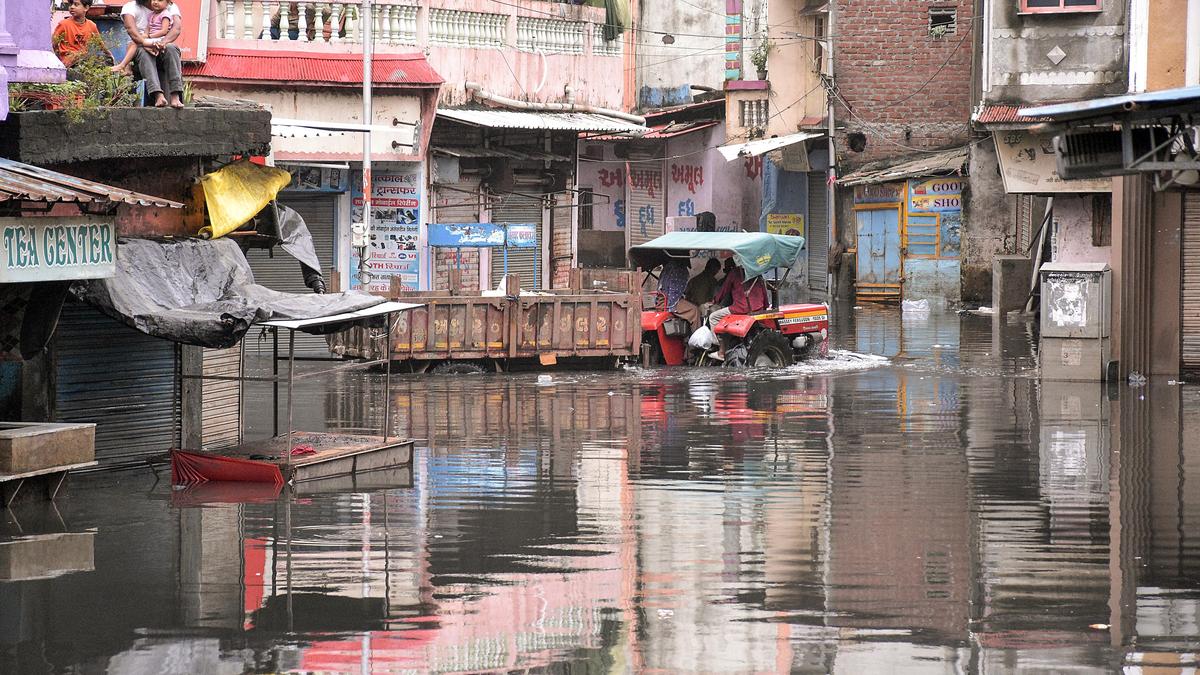
Gujarat health authorities have launched a massive public health response following recent floods, deploying thousands of camps and surveillance teams. Over 7.61 lakh people have received preventive care to mitigate the risk of post-flood disease outbreaks.
Gujarat Initiates Massive Public Health Drive Post-Floods
In the wake of severe flooding across Gujarat, the state health department has launched an extensive public health intervention to safeguard its population against the secondary impacts of natural disasters. As of August 4, 2026, authorities have mobilized 6,868 medical camps and deployed over 18,000 surveillance teams to manage the health crisis in flood-affected districts. This rapid mobilization aims to preemptively address the heightened risk of waterborne and vector-borne diseases that typically follow heavy monsoon inundation.
Strategic Surveillance and Preventive Care
The scale of the state’s response is underscored by the sheer volume of resources deployed. Officials report that over 7.61 lakh people have already received preventive medication, while 1.74 lakh individuals have been directly examined and treated at these medical camps. The strategy relies heavily on a proactive, grassroots approach, characterized by daily door-to-door visits by surveillance teams tasked with monitoring the health of vulnerable populations and identifying potential infection clusters before they escalate.
Resource Distribution and Essential Supplies
A critical component of the intervention involves the mass distribution of essential medical supplies to prevent contamination. The health department has distributed over 1.05 crore chlorine tablets, a vital tool for ensuring safe drinking water in areas where infrastructure may have been compromised by floodwaters. Furthermore, the provision of 10.29 lakh Oral Rehydration Solution (ORS) packets reflects a focus on managing dehydration and gastrointestinal issues, which are common health threats in the aftermath of flooding.
Implementation of the Monsoon Action Plan
The efficacy of this current response is attributed to the prior implementation of a comprehensive Monsoon Action Plan. Enacted across all 34 districts and eight municipal corporations, this plan served as the foundational framework for the state’s preparedness. By integrating preemptive measures before the peak of the rainy season, the government aimed to streamline communication and logistics between local health units and state-level administration, ensuring that resources were pre-positioned to handle emergencies efficiently.
Implications and Future Trends
This incident highlights the increasing necessity for states to adopt systematic, data-driven disaster management protocols. The success of the current operation in preventing major public health outbreaks serves as a template for other regions prone to extreme weather events. Moving forward, the trend suggests a shift toward more resilient healthcare infrastructure that can pivot instantly from routine services to large-scale emergency response, emphasizing the importance of long-term climate-resilient health planning in the face of unpredictable monsoon patterns.
Verification Required?